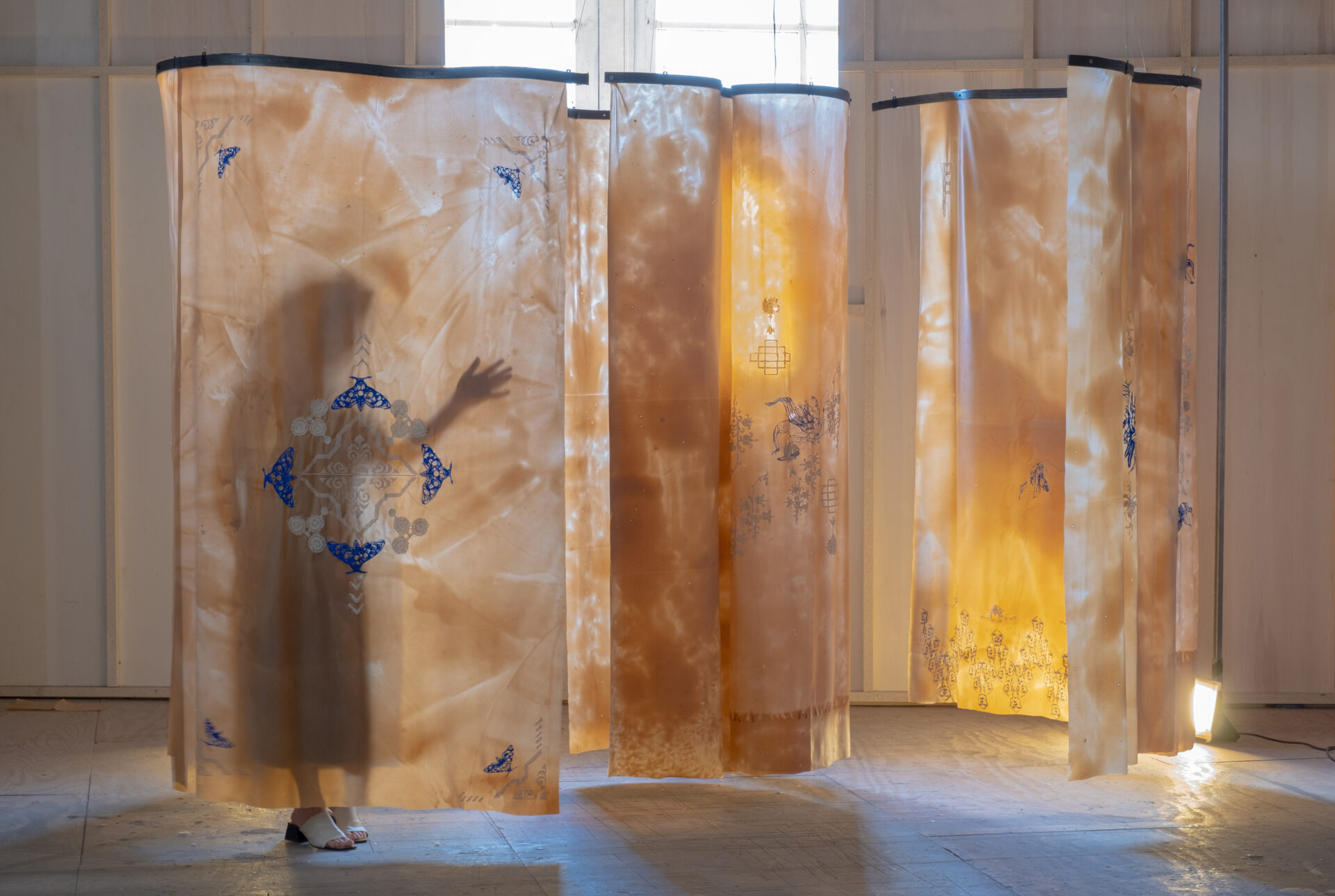
Greater emphasis on, and initiative from, the commons also demands a different attitude from professional market parties and governments. Space and Matter's experience with community- and commons-based projects shows that such collectives are often perceived as less professional, because they are typically led by groups of volunteers. These kinds of initiatives are frequently undervalued because they are measured by the same standards as professional parties, even though they generally deliver greater social and ecological value.
Collective ownership also plays a role in the energy question. Sun and wind — while not evenly distributed everywhere — belong to us all. Architectuur onder Spanning shows how the energy transition is not merely a technical challenge. Linking the new and upgraded electricity network to charging infrastructure, sport, ecology, or even local data centres can also increase public support for the energy transition. A more local organisation of energy and data contributes to community ownership and resilience, which is why it was also one of the four transformative use cases of Co-Operate.
Within the professional community, too, much remains to be gained in terms of commoning. A great deal is researched, collected, and analysed, but relatively little is communicated and shared. Transcripts of conversations and interviews, digital drawings, datasets, and notes from books or articles read can be of great value to subsequent research by other designers. Sharing research data and methods will accelerate progress within the design community, save a great deal of (duplicated) effort, and give others more opportunities to build on and extend that research. Grant-making bodies such as the Creative Industries Fund NL could contribute to this by setting stricter conditions on what supported initiatives make available in open-source form, as Co-Operate does with the underlying spreadsheets, articles, and other data.
The designers and architects behind Post-Growth City, Hoe wij willen wonen M4H 2030, Co-Operate, Schijnbaar onmogelijk erfgoed, and Architectuur onder Spanning are, slowly but surely, giving shape to a post-growth society. It falls to us, as a professional community, to emphasise the importance of the commons and to nourish the concept with projects, ideas, research, data, and inspiration. Let us look beyond the systems we find ourselves in, work with what we have, repurpose what has been written off, and share what we discover and invent.
Paul van den Bergh is an architect, guest lecturer, and urban planning adviser at the Municipality of Voorschoten.