search

In January 2026, we processed applications that could not be submitted in time at the end of 2025 for phase 1 of the Design Grant Scheme. At the time, a technical problem in the application system meant that we could not guarantee a level playing field.

19 March 2026

A total of 34 applicants were invited to submit a full project plan for phase 2, and of these, 30 actually did so. Within the available budget, eight projects could ultimately be supported.

general impression

In deze ronde viel op dat veel projecten een persoonlijke of autobiografische invalshoek hadden. De onderwerpen varieerden sterk: van het doorbreken van een patriarchale blik op anatomieonderwijs en Arabisch grafisch ontwerp tot koloniaal geweld in Oost-Oekraïne en fictieve instituten als ontwerpmethode. De makers kiezen voor verschillende projectvormen, zoals materiaalonderzoek, publicaties, websites en samenwerkingen. De aanvragen lieten daarmee een gevarieerd beeld zien van wat er leeft binnen het vakgebied.

selection

A few notable projects are:

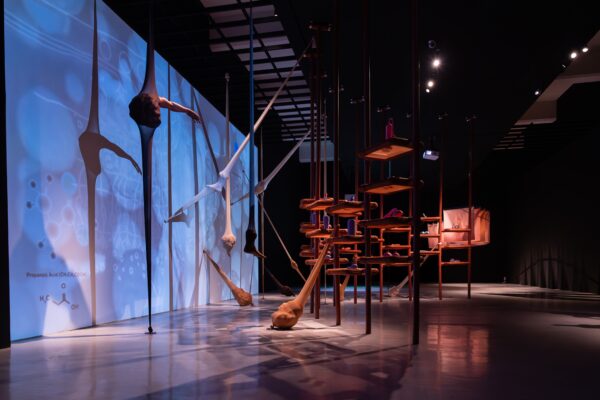
Queer Anatomy Theater – Studio Ku

Queer Anatomy Theater – Studio Ku
Queer Anatomy Theater is a project by Studio Ku that questions the heteronormative systems behind anatomy education. Based on speculative design, queering and medical science, designer Kuang-Yi Ku experiments with new forms of education about the bodies of sexual minorities. By means of performances, online videos and spatial design, a theatrical setting is developed in which fictional anatomy lessons are given to professionals and the audience. The project aims to reform Western anatomy theatre, liberate medical knowledge, and promote diversity and inclusion within education. Studio Ku is collaborating in the project with medical expert and professor Henry de Vries.

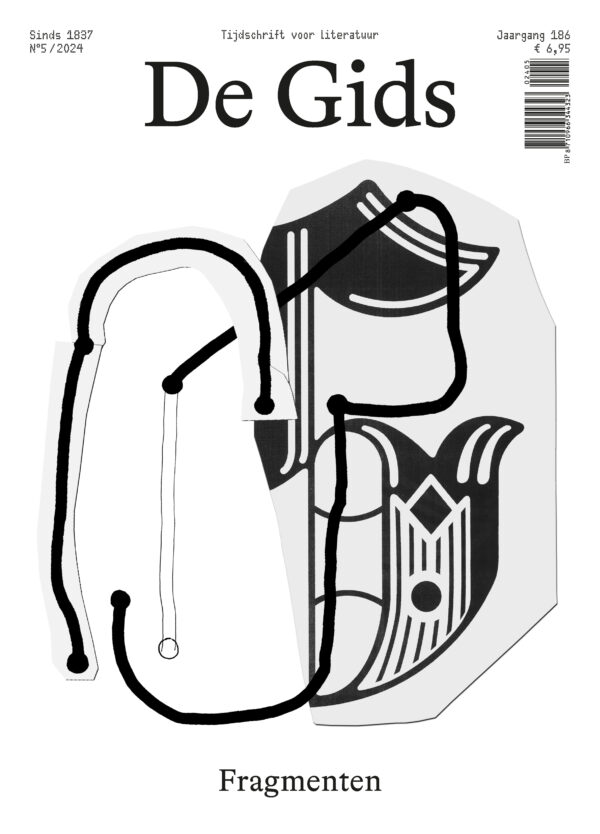
Tijdschrift De Gids als platform voor experimentele typografie – Felix Salut

With Tijdschrift De Gids als platform voor experimentele typografie, designer Felix Salut aims to bring the visual and typographic qualities of the literary magazine De Gids to the same level as its content. The central question is how typography can be created from literature and themes, rather than merely supporting them. For each themed issue, a designer is invited to experiment with image, literary content and typography, together with Salut. In this way, the magazine functions as a platform for both emerging and established typographers and designers. Depending on the theme, Salut seeks collaboration with art academies, typography platforms and cultural institutions.

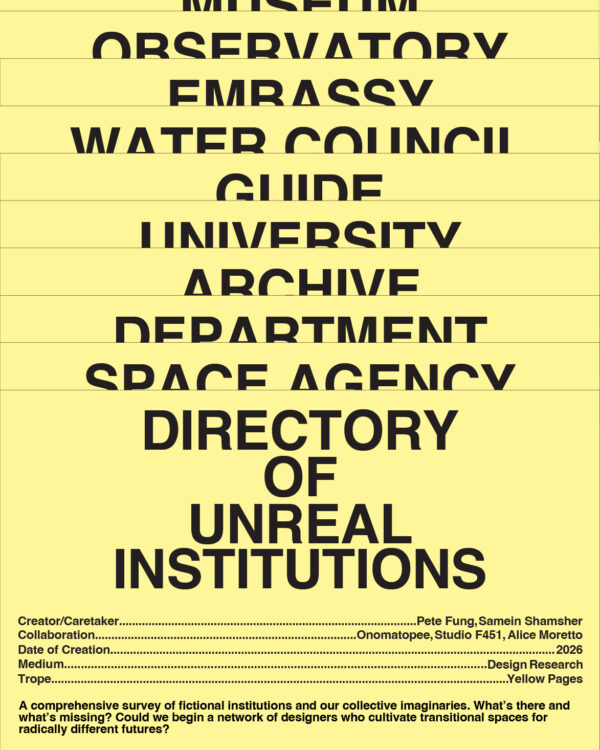
The Directory of Unreal Institutions – Studio Pete Fung

The Directory of Unreal Institutions Studio Pete Fung
With The Directory of Unreal Institutions, Studio Pete Fung explores the use of pseudo-institutions as a design method. Pseudo-institutions are fictional organisations that mimic the language and rituals of existing institutions in order to challenge societal norms and propose alternative futures. The project documents this movement by means of a website with an archive of more than 150 examples and an equal number of new examples contributed by the public, a series of interviews with founders and a book about the design methodology. Collaborative partners include design researcher Samein Shamsher, Studio F451, designer Alice Moretto and publisher Onomatopee.

numbers

Of the 34 applicants approached, 30 submitted a full proposal. Of these, two were revised applications. Nine projects were positively assessed by the advisory committee. Within the € 282,000 budget, eight projects could ultimately be supported. The underspend of € 12,760 has been added to the first regular round of the Design Grant Scheme in 2026.

follow-up

The next grant period for the Design Grant Scheme opens on 12 August at 15:00 CEST and closes on 18 August 2026 at 16:00 CEST.

Following the problems that arose in late 2025 relating to the consideration of a maximum number of applications in the order they were submitted, changes have been made to a number of grant schemes. Also for the Design Grant Scheme, all summary applications will be ranked in random order by means of a draw after the close of phase 1, after which the intake will start. Subsequently, in phase 2, a maximum of 70 applications can be developed into a full project plan to be assessed by the advisory committee. As a result, the time an application is submitted no longer takes precedence. Read more in this news item.

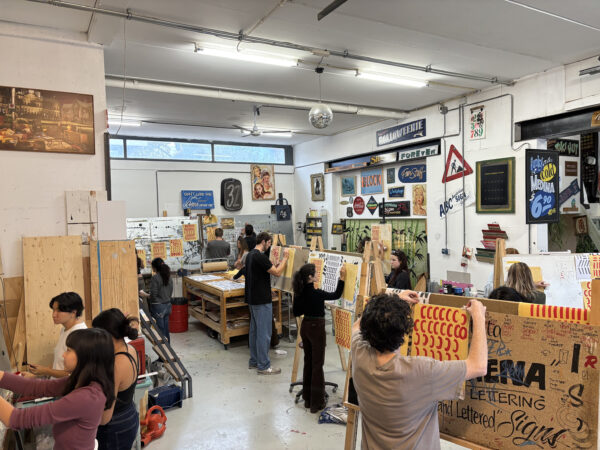
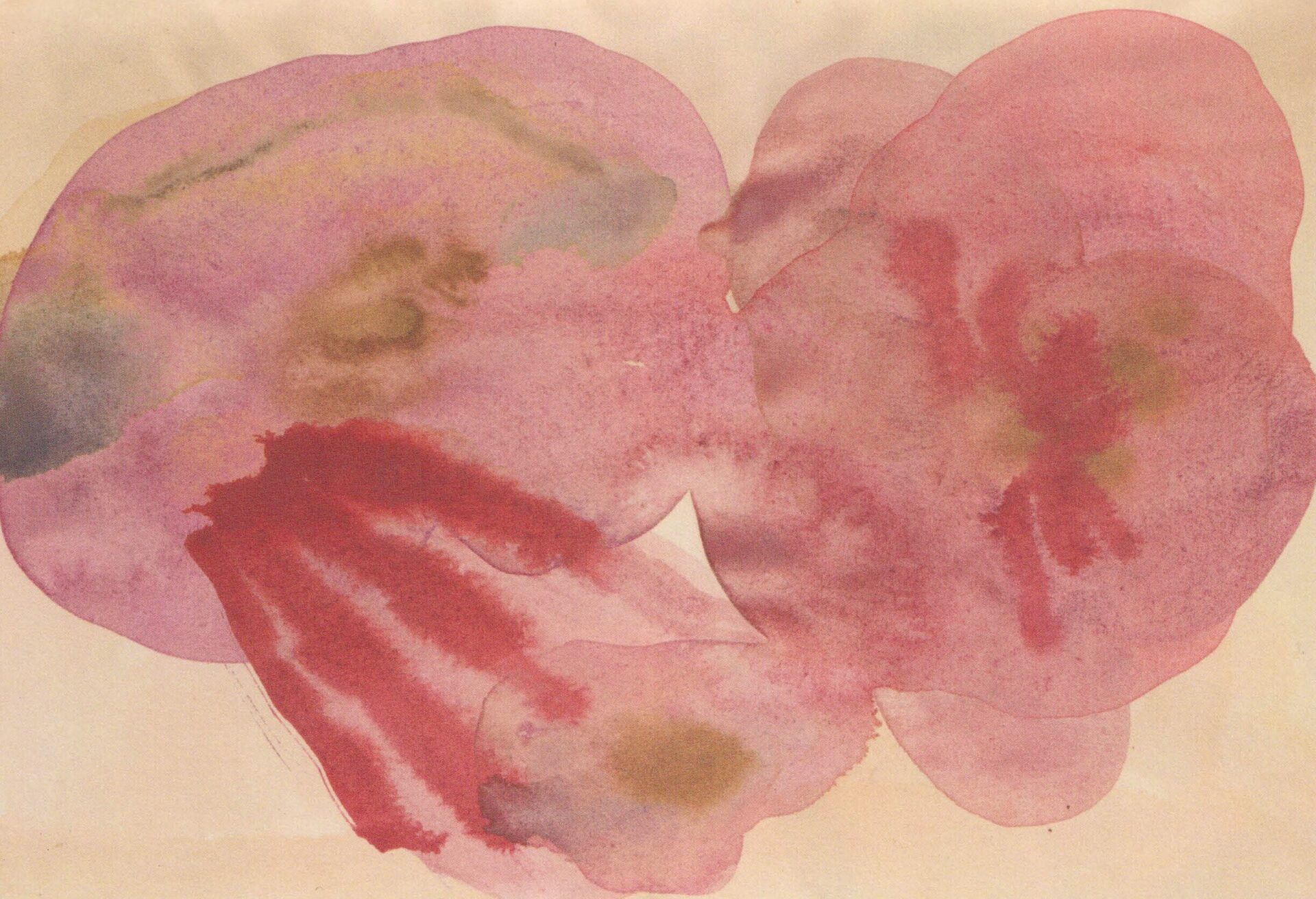
Beeld bovenaan: Stichting Signpainters & Co – Letterheads Meet