
Architecture
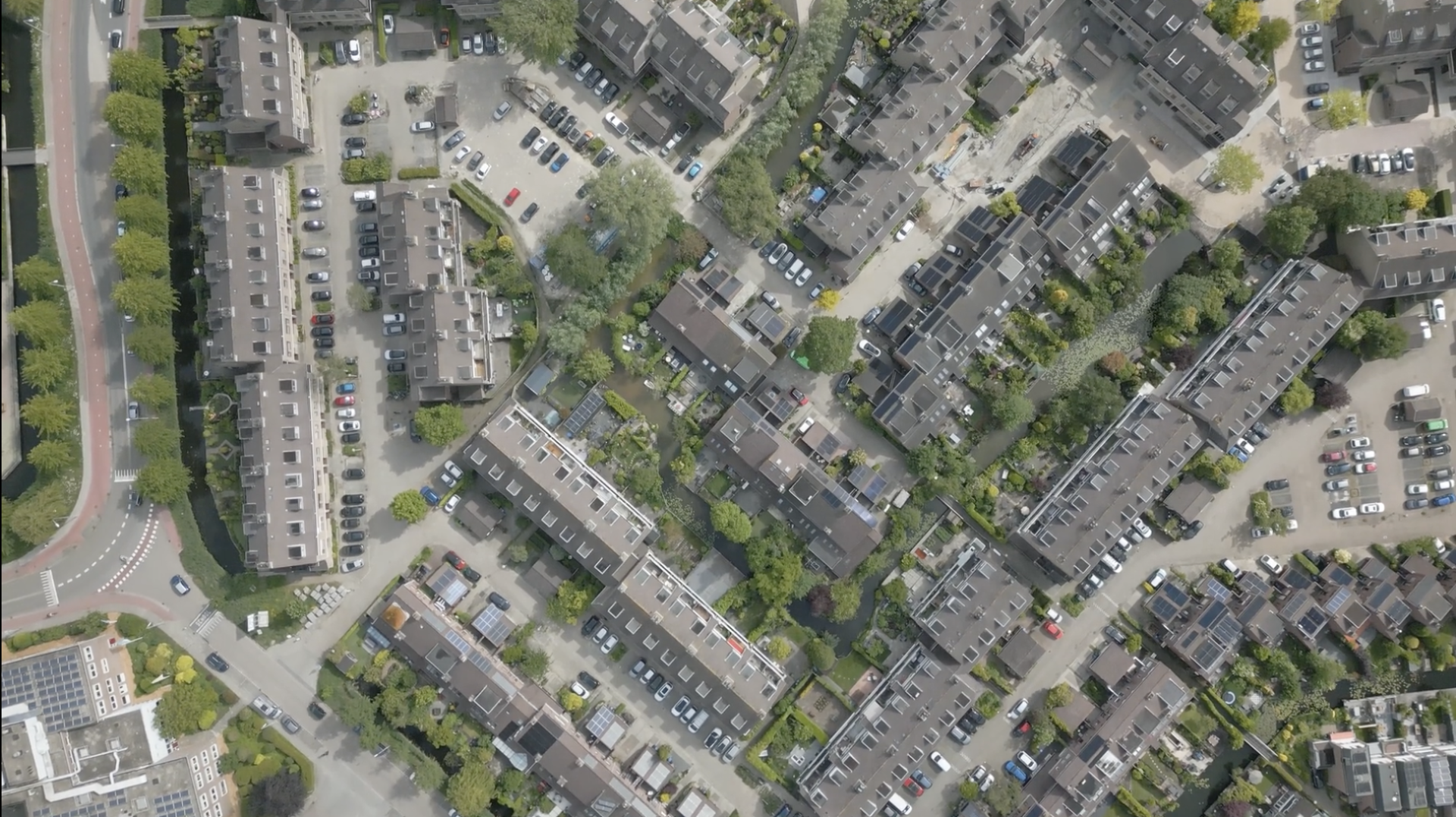
Architecture is a broad discipline that not only focuses on shaping our built environment, but also contributes to social cohesion and a future-proof living environment. Key themes within the discipline are linked to major spatial issues relating to climate, energy, mobility and housing.

development of the field
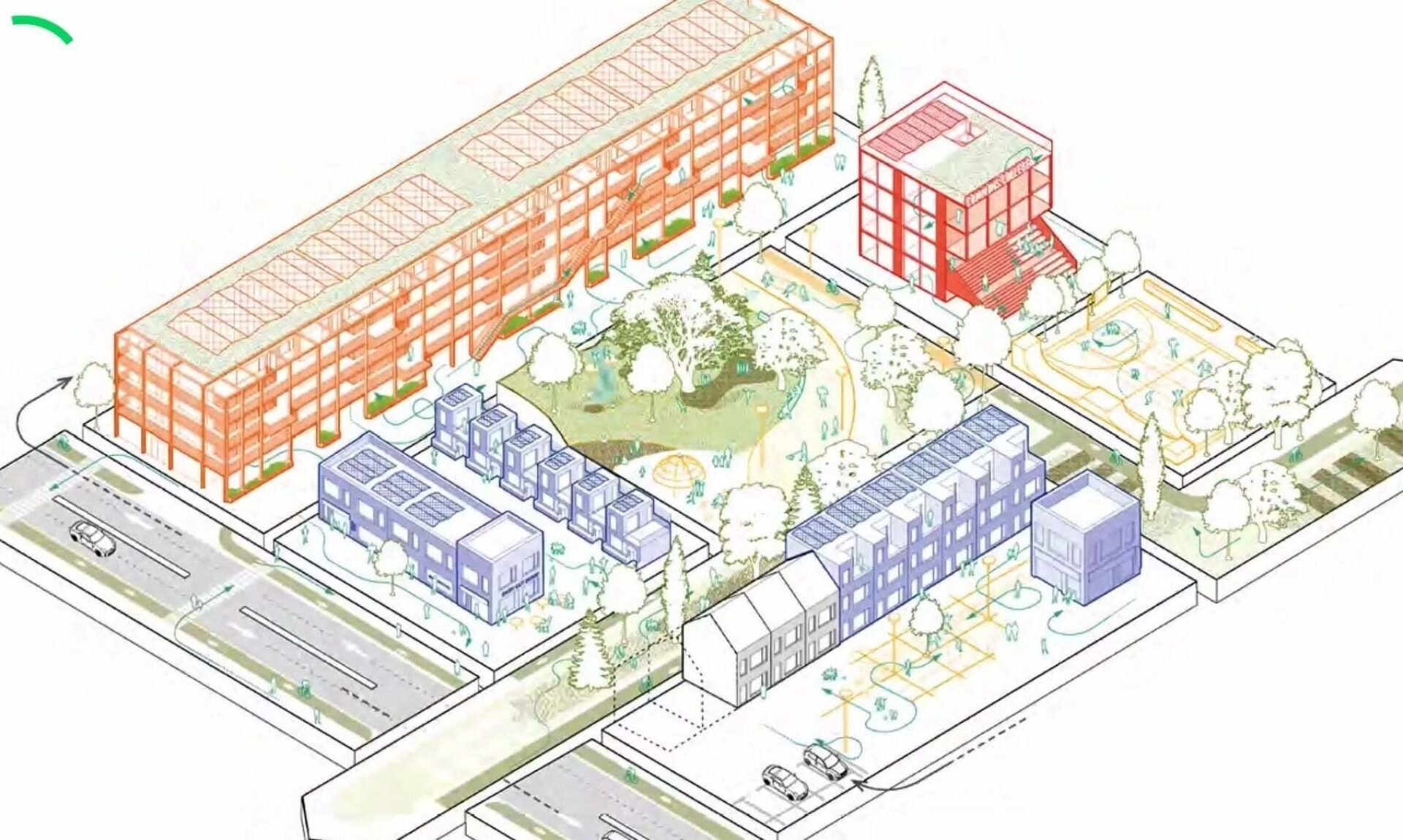
Architects, urban designers, landscape architects, interior designers and other spatial designers work across a range of scales, drawing on different types of research. They experiment with new techniques, investigate sustainable materials or develop alternative design methods. When working on societal challenges that call for far-reaching changes to our living environment, architects often make use of design research. They form coalitions with stakeholders such as citizens, entrepreneurs, experts, organisations and authorities, and develop integrated future perspectives and new insights into and for policymaking in co-creation.
Through two grant schemes and various open calls, the Fund offers makers in the spatial domain the opportunity to develop their professional field and individual practices. The Architecture Kick-start Grant Scheme is aimed at small, experimental projects where a basis can be laid for a larger follow-up project under the Architecture Grant Scheme. Dominant current trends in supported projects or in the field may prompt a thematic open call, such as the Open Call Collective Knowledge Creation in Architecture. The open calls within the Spatial Design Action Programme (ARO) focus specifically on interdisciplinary collaboration on major spatial challenges, such as the energy transition or the housing shortage.
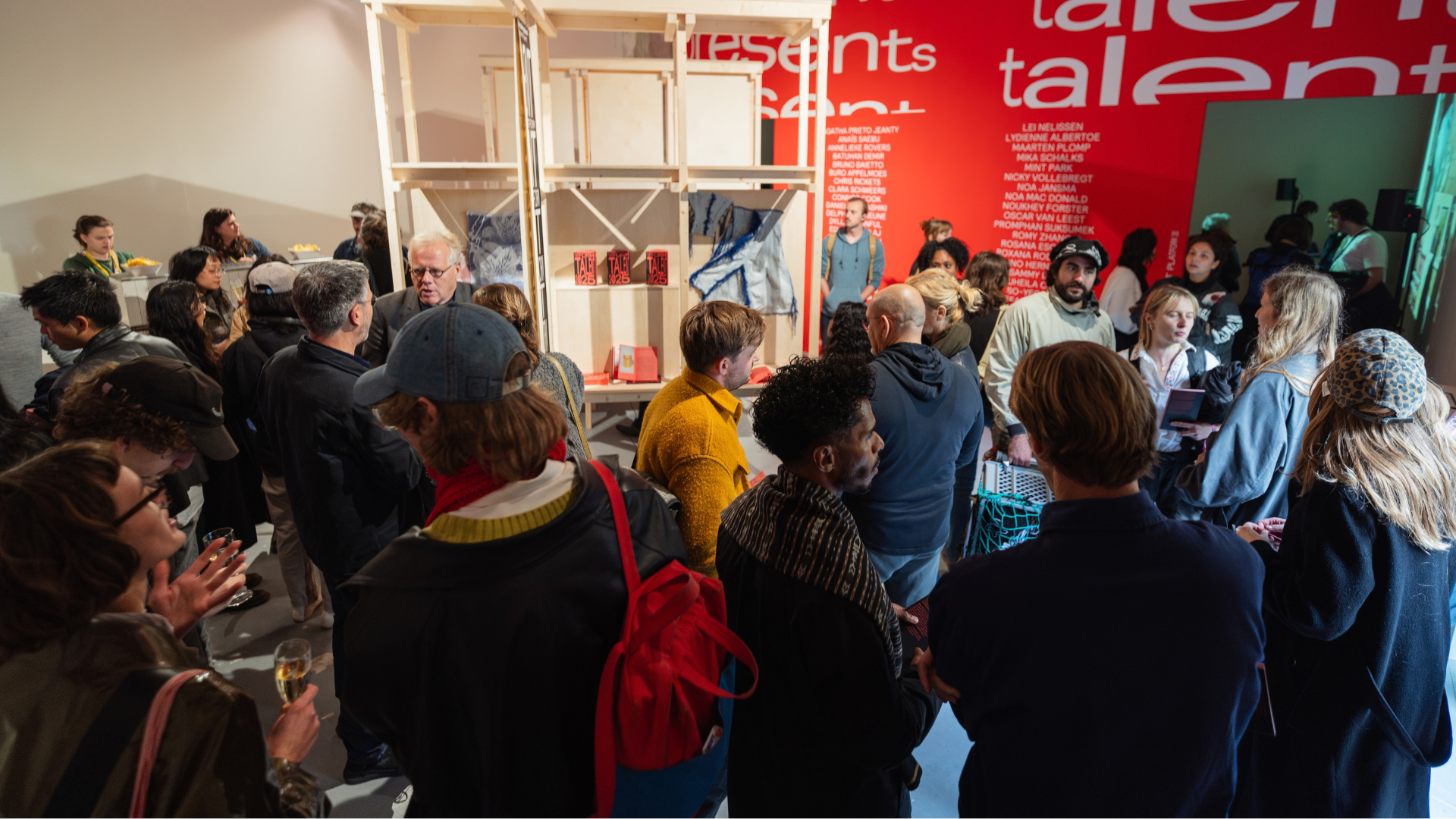
Once every four years, the Fund organises the Prix de Rome Architecture together with the Nieuwe Instituut: the oldest and most prestigious prize in the Netherlands for architects under the age of 40. The prize identifies promising talent, supports designers in their professional development and fuels debate about the role of architecture in society.
Featured

design research for societal challenges
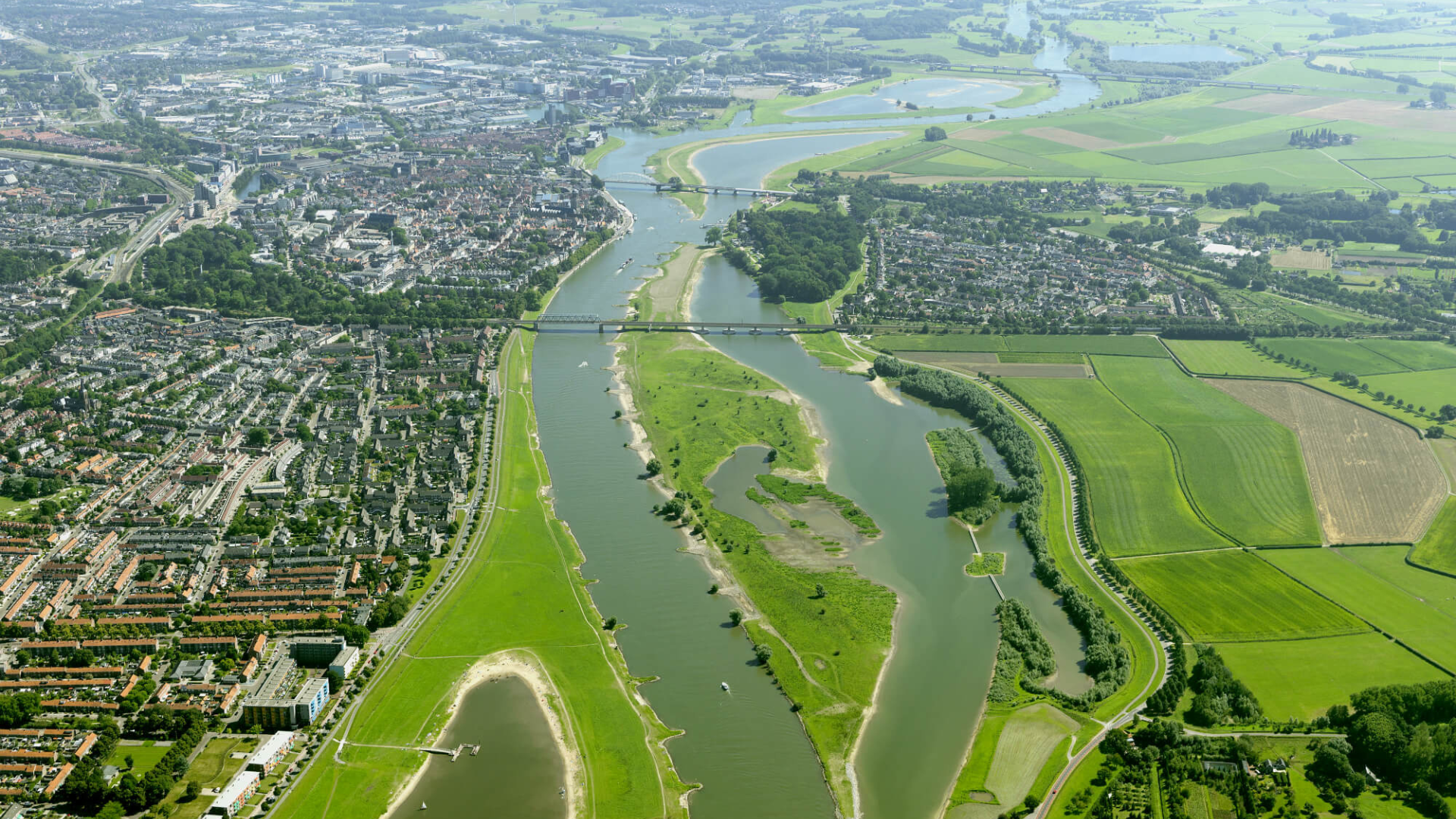
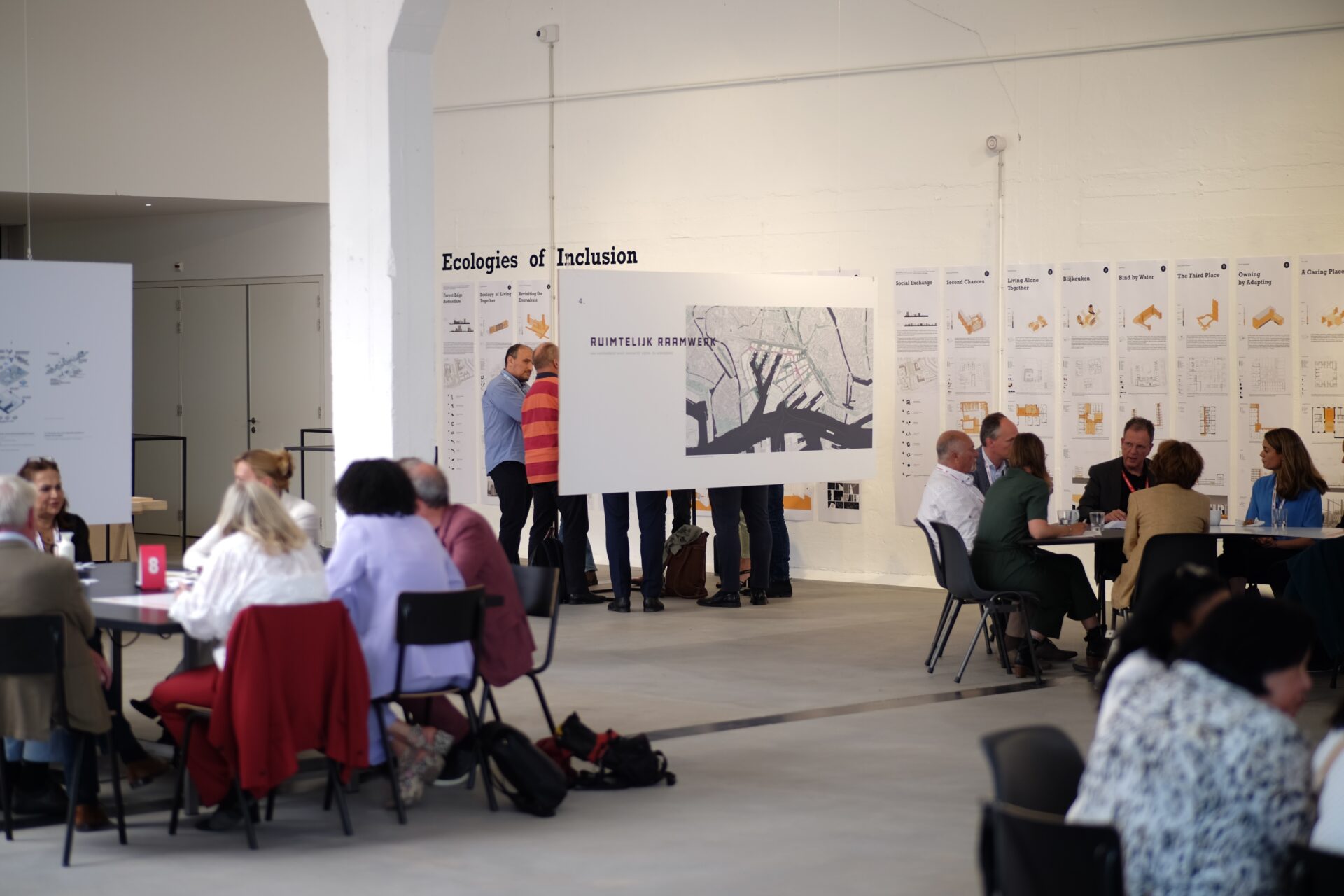
With the Spatial Design Action Programme (ARO), the Fund ensures that spatial design research is utilised more often when working on major societal issues. A key aim of the programme is to better harness the potential of the power of design in transitions at local and regional level. The programme puts topical themes on the agenda with an eye for local and regional area tasks, and bridges the gap to national and local policy through knowledge sharing and discussion. On the platform De nieuwe ruimte, we bring together the final and interim results.
collaboration with the field
Besides makers in the spatial domain, the Fund focuses on the broader ecosystem needed for the development of the discipline of architecture. We collaborate with organisations such as architecture centres and knowledge institutions. We also contribute to partnerships that align with our goal of making design a natural (or more natural) instrument when working on societal challenges
Architectuur Overal (Architecture Everywhere) – We work together with the strategic partners within the Architectuur Overal collaboration to make clear to policymakers the added value of architecture and spatial design research for the Netherlands in tackling urgent spatial tasks and change challenges.
CRa – The College of Government Architects and Government Advisors (CRa) contributes ideas to the action lines of the Spatial Design Action Programme. For instance, the college provides a member for ARO’s programme board. The CRa is also a co-initiator of Toekomstatelier Oostkop. This is a workspace at the Nieuwe Instituut open to anyone who wants to contribute to the spatial future of the Netherlands based on design research, where the Action Programme is also involved in terms of content.
CoLA – Stichting Coördinatie Lokale Architectuurinitiatieven (CoLA) is a network of more than 40 local and regional architecture centres that work together to organise activities and knowledge exchange relating to spatial quality. We collaborate with them to engage designers and other stakeholders in cities and regions, for example when launching open calls.
Discover more