search

Our tips for Dutch Design Week 2026

From 17 to 25 October, Dutch Design Week will take place in Eindhoven. This year, a number of projects supported by the Creative Industries Fund NL will be on show once again. We highlight a selection of them below.

30 September 2026

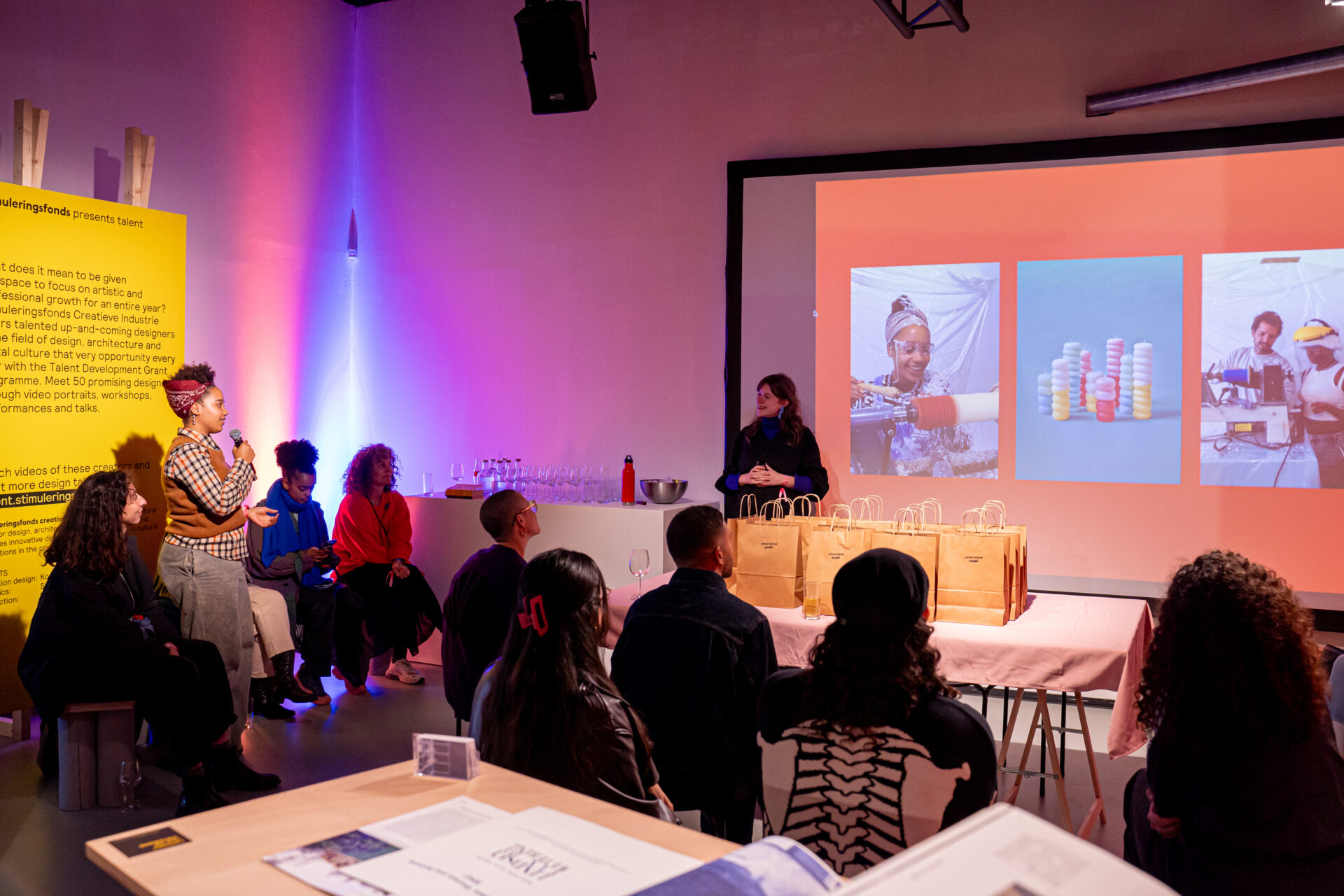
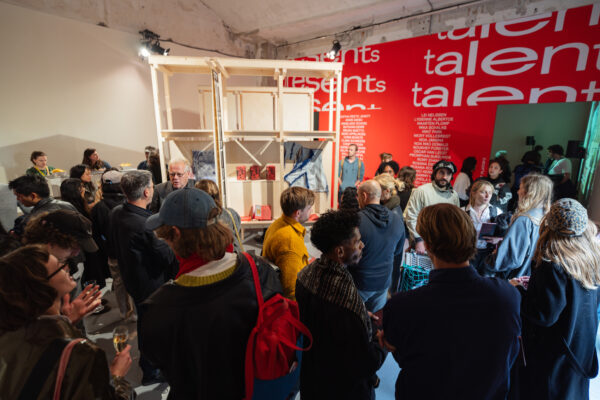
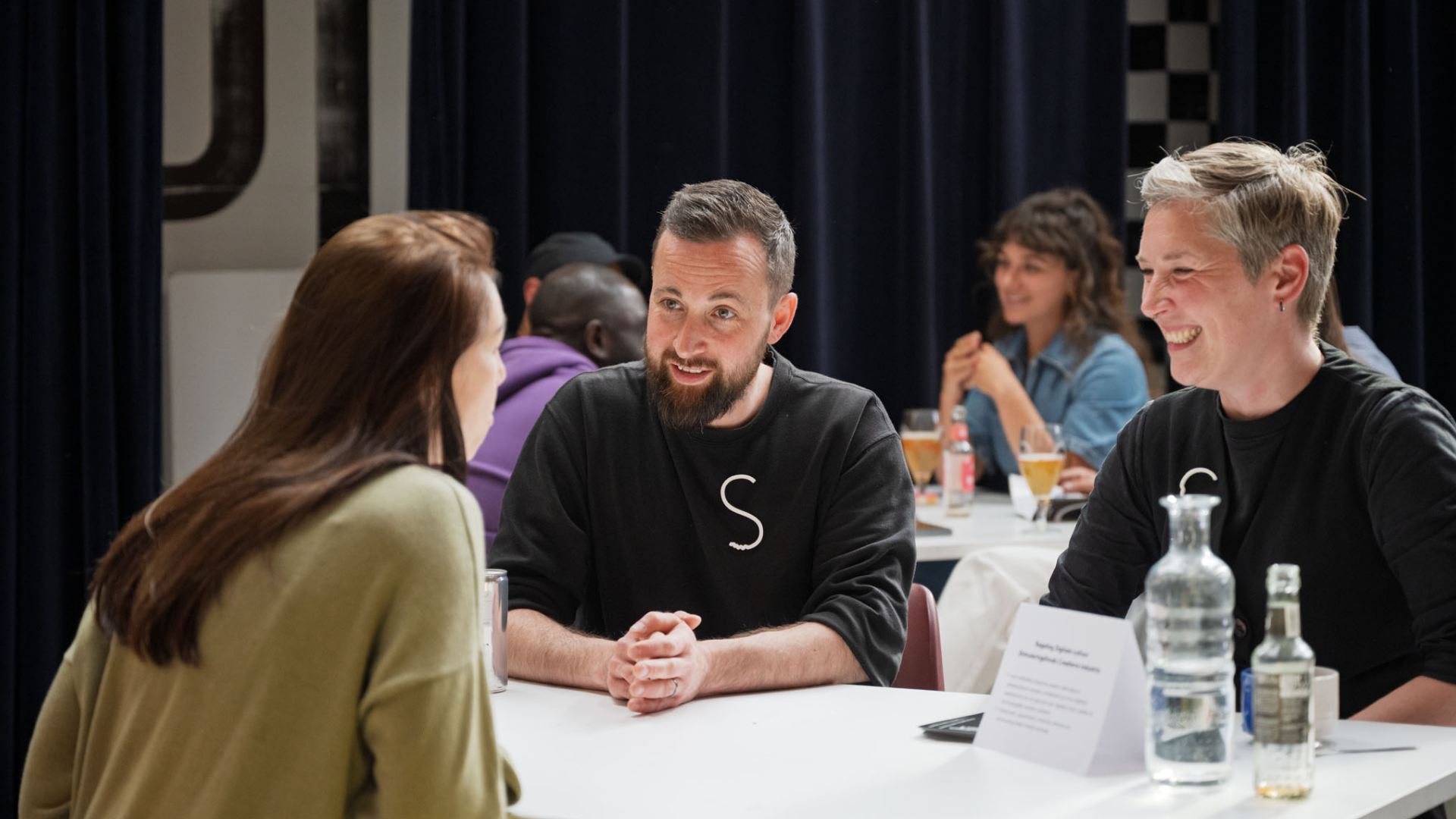
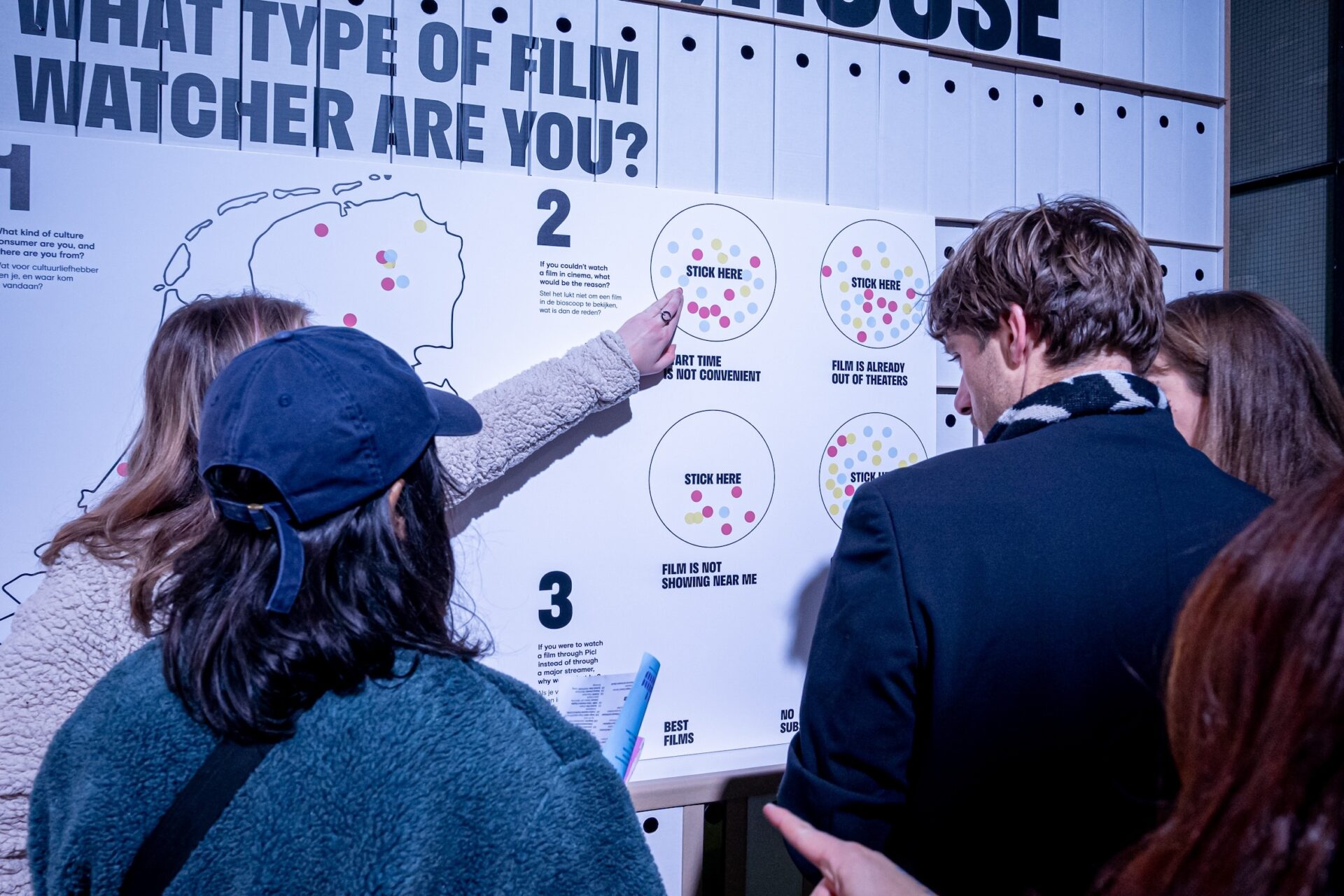
On Sunday 18 October at MU Hybrid Art House, the Creative Industries Fund NL will celebrate the 44 emerging design talents who were given the opportunity over the past year to develop both artistically and professionally through its talent development programme. The event will feature a guerrilla fashion show by Ruben Jurriën, a live-coded audiovisual performance by Jo Jara Kroese, and music by DJ Clara. There will also be a welcome from our newly appointed director Julia Vytopil, screenings of video portraits featuring the makers, and, of course, food and drinks.
register here
Between Lights – Teresa van Dongen

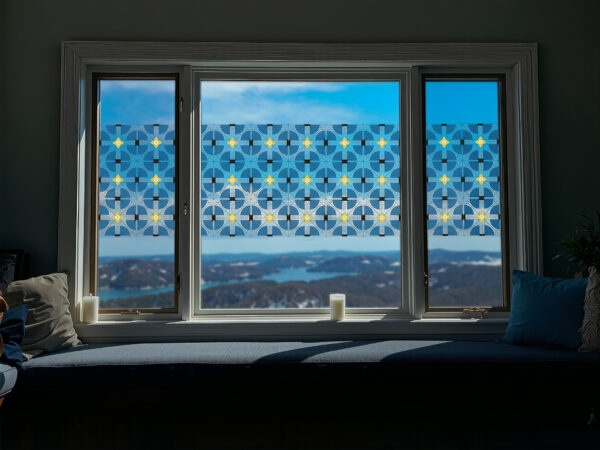
At Klokgebouw, visitors can experience Between Lights, a solar energy project by Teresa van Dongen that was supported through the Design Grant Scheme. The project combines Organic Photovoltaics (OPV) with printed electronics, enabling a transparent surface to harvest energy from both sunlight and indoor light. Through printed electronics and colour, the design makes this process tangible and visible. During the day, coloured solar cells capture light and, after dark, use the stored energy to power integrated LEDs. Through this design, Van Dongen explores how collecting and storing energy can become part of everyday life.

My Little Tragedy Karaoke – Studio Nullshima

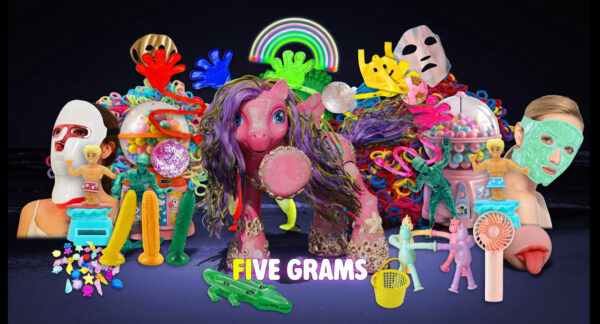
Stichting Art & Technology presents the ten-day media art festival Art Tech Fun AI Robots Manifestations, which received support from the Fund through the Creative Industries Festivals Grant Scheme. The programme features the work of 50 young makers who explore encounters between people and technology in playful and confrontational ways. The theme of the festival’s 10th edition is MUTE, examining how taboos, algorithms and political mechanisms determine what can and cannot be said. Manifestations is free to visit and takes place at VEEM.

An Urban Nomad – Tov Frencken

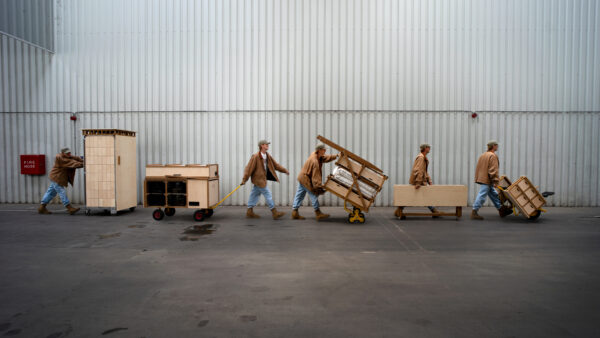
At Building TX, visitors can see An Urban Nomad by Tov Frencken, who received a contribution through the Creative Industries Kick-start Grant Scheme. Frencken presents a mobile household system consisting of five foldable pieces of furniture on wheels, equipped with all basic facilities needed to quickly settle in a location and move on again when required. Together with an online platform mapping vacant properties across the Netherlands, the project facilitates a nomadic way of living and invites us to rethink our position on housing, vacancy and ownership. Admission to the exhibition is free.

Everything Moist Seems Alive – MAISON the FAUX, MU Hybrid Art House, Studio Boris Acket, Nationale Opera & Ballet

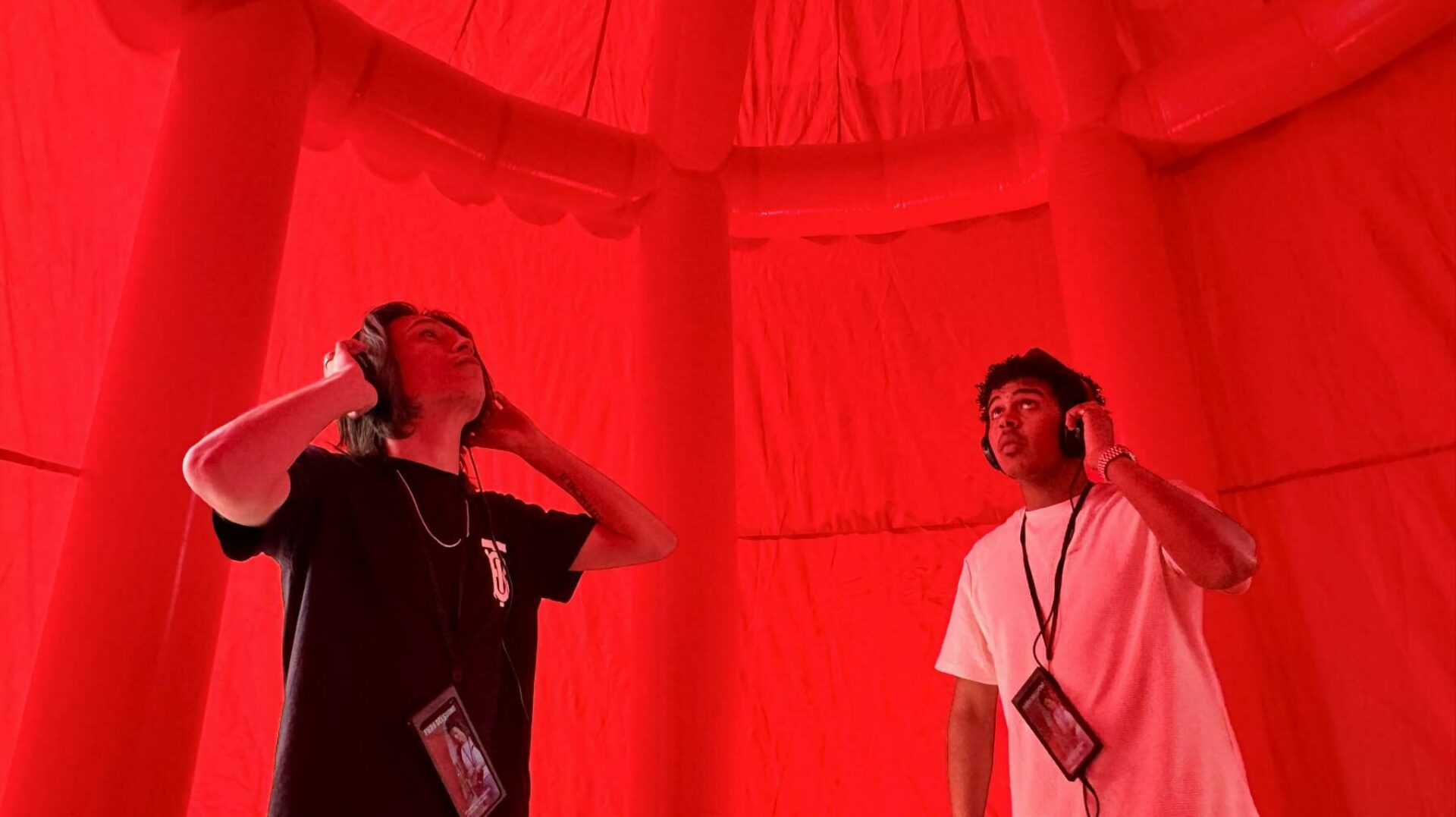
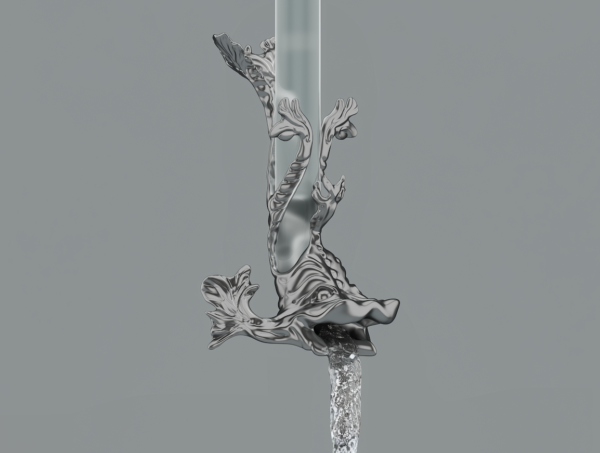
In collaboration with MU Hybrid Art House, Studio Boris Acket and Dutch National Opera & Ballet, MAISON the FAUX presents Everything Moist Seems Alive, an installation and performance exploring water as the common denominator of all living things. Moisture flows through tubes and membranes, while the sounds of water blend with the voices of performers and visitors. By giving water a voice, the project demonstrates that humans are not autonomous systems but bodies of water that flow and form part of a larger shared system on which our existence depends. The project was supported through the Design Grant Scheme and can be seen at MU Hybrid Art House.

(GROND)STOFFEN – Studio SUFI

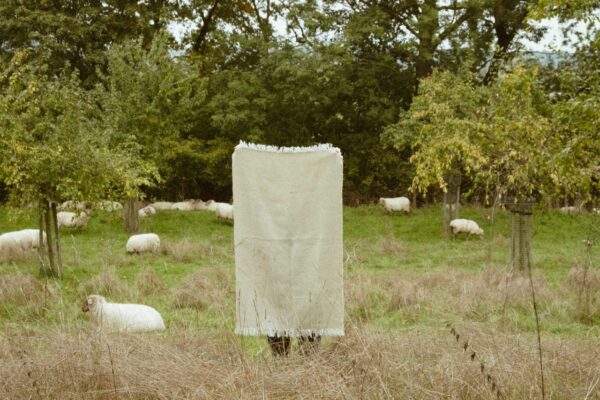
At Klokgebouw, visitors can find (GROND)STOFFEN, a project by designer Sophie Nelissen (Studio SUFI) that investigates how local ecosystems can provide materials for textiles. The project received support through the Open Call Professionalisation and Practice Development. Central to the project are the techniques Nelissen developed to transform the typically coarse wool of Dutch sheep into a soft and wearable clothing collection.

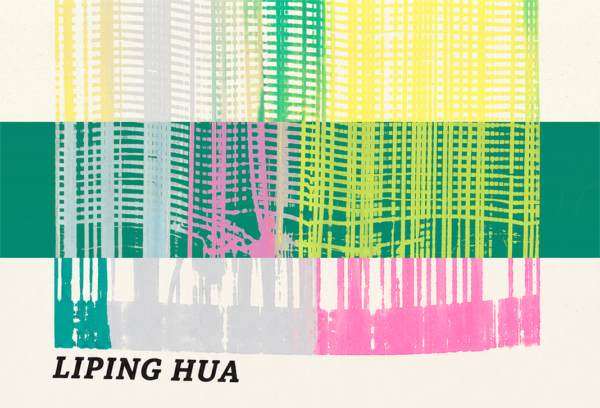
Find Tanger in My Bag - Liping Hua

With Find Tanger in My Bag, Liping Hua presents the results of her research into the irregularities and coincidences that arise during the industrial production process of the gufa, a woven plastic bag that forms part of everyday life in Morocco. Hua translated her findings into compositions, screen prints and installations that show how imperfections within systems driven by efficiency create room for imagination. In doing so, the project reveals how chance, tension and vitality shape Tangier’s transformation under the influence of modernity. Hua received support for this project through the Open Call Residency Think Tanger. The exhibition can be visited free of charge at De Fabriek.

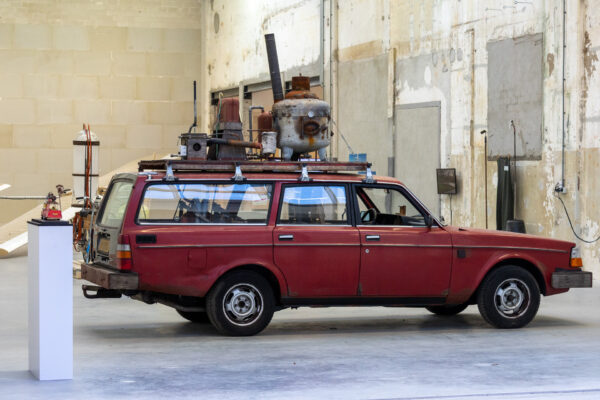
Plastic auto – Gijs Schalkx

At Building TX, Gijs Schalkx presents Onderweg naar een toekomst, featuring vehicles that examine our relationship with technology, energy and mobility. His swamp-gas motorcycle and a car powered by waste plastic only start moving once the user has collected enough of the required fuel. At first glance this may appear absurd, but the vehicles raise serious questions about how self-evident it is that we can move around so quickly and efficiently today. Schalkx received support through, among others, the Creative Industries Kick-start Grant Scheme.

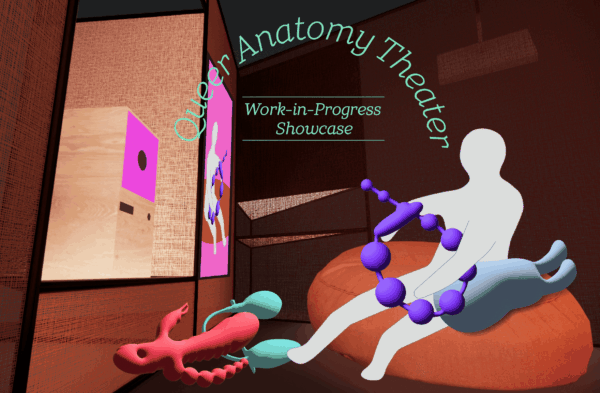
Queer Anatomy Theater – Kuang-Yi Ku

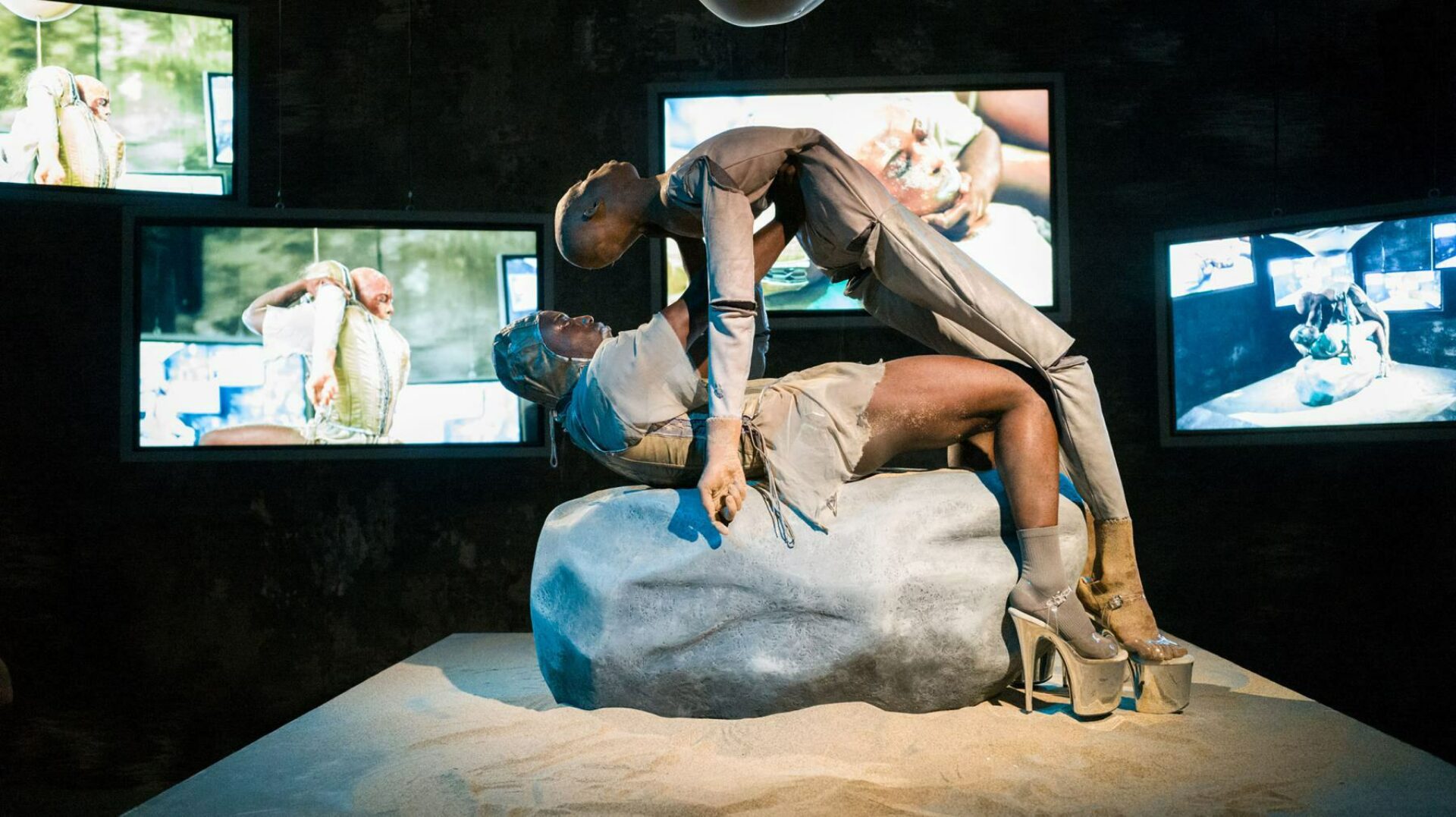
At the Queer Anatomy Theater, there are no bodies on the dissecting table. Instead, it is anatomy education itself that is placed under the knife. The work invites participants to reinterpret anatomical knowledge and explores how ideas about sex, gender and the body are taught, and how queer participants may experience them differently. It takes the form of the anatomical theatres of early modern medicine, where dissections took place on a central table surrounded by spectators. Visitors to Dutch Design Week can take part in four participatory lessions. This project by Kuang-Yi Ku received support through the Design Grant Scheme and can be seen at Plug in City.

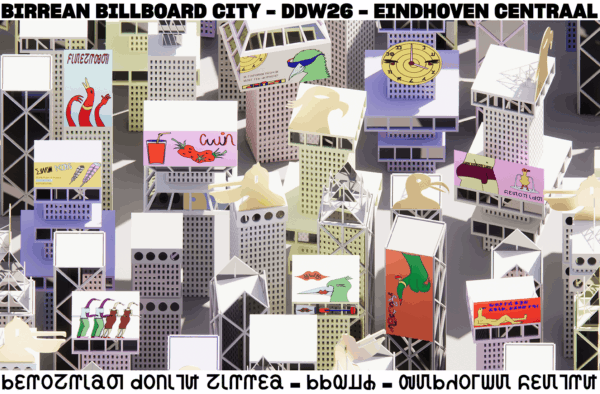
BIRREAN BILLBOARD CITY – Spot Collective

BIRREAN BILLBOARD CITY, on view at Eindhoven Central Station, presents an exhibition of billboards from the heyday of a hyper-commercial bird society that ultimately collapsed under the weight of its own excesses. Once used for advertising, the billboards are now displayed as cultural heritage. In doing so, the installation satirises cultural institutions that present what was originally intended to persuade as authoritative objects, thereby endowing them with a new form of power. At the same time, the project reflects on how we express ourselves in an online world where advertising, personal expression, politics and cultural identity increasingly overlap and often draw on the same visual language. Spot Collective received support for this project through the Design Grant Scheme.

Sharvan Prajapati, JAS&CAL and Rik van Veen for Warp Weft Wool – Crafts Council Nederland (photo: JAS&CAL)

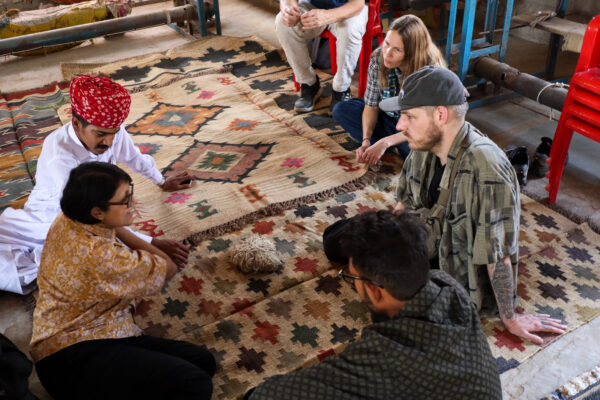
WOW NATURE, presented by Crafts Council Nederland, explores the relationship between crafts and nature. The exhibition brings together works that demonstrate how makers investigate and reshape natural materials, inviting visitors to reflect on the boundary between natural processes and human intervention. One example is the work of makers involved in the project Warp Weft Wool, which received support through the Internationalisation Grant Scheme for the Design Sector. Other participating works received support through, among others, the Design Grant Scheme and the Creative Industries Kick-start Grant Scheme. The exhibition can be visited free of charge at De Fabriek.

Spons/LAB – Biobased Creations en Dura Vermeer

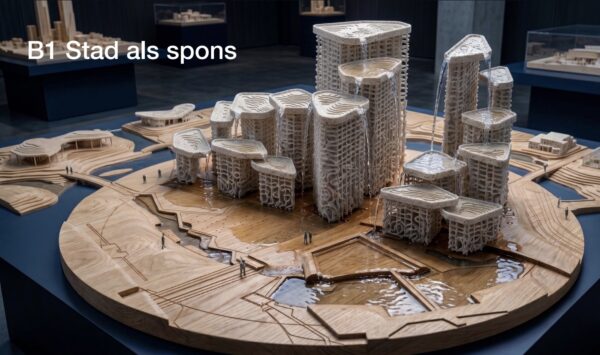
With Spons/LAB, Biobased Creations and Dura Vermeer demonstrate how water can play a greater role in shaping our living environment. At the centre of the presentation is the City as a Sponge model, developed in collaboration with the Municipality of ’s-Hertogenbosch and Water Authority Aa en Maas, which shows how cities can retain, distribute and purify water. The exhibition also presents research, designs and practical examples that demonstrate how water can contribute to climate adaptation and biodiversity. The project received support through the Architecture Grant Scheme and can be seen at De Melkfabriek.

ai, ai, ai – The Hmm

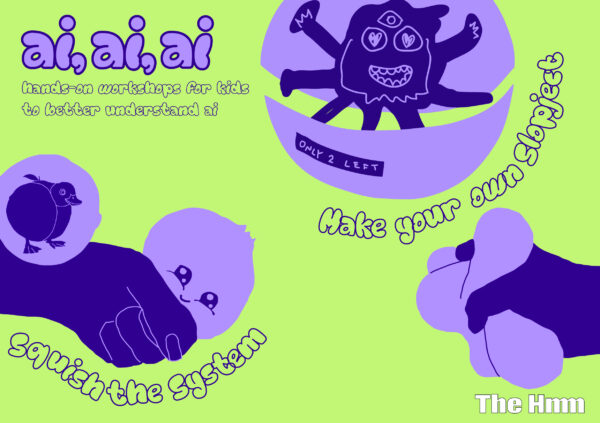
At MU Hybrid Art House, visitors can explore the educational programme ai, ai, ai. Through this programme, The Hmm, which receives support through the Four-year Institutional Grant Scheme, helps young audiences gain insight into how algorithms, platforms and AI systems work. In the workshops Make Your Own Slopject and Squish the System: from facts to vibes, participants explore how data, algorithms and online images influence our behaviour. The workshops were developed in collaboration with artist Maria Mombers.

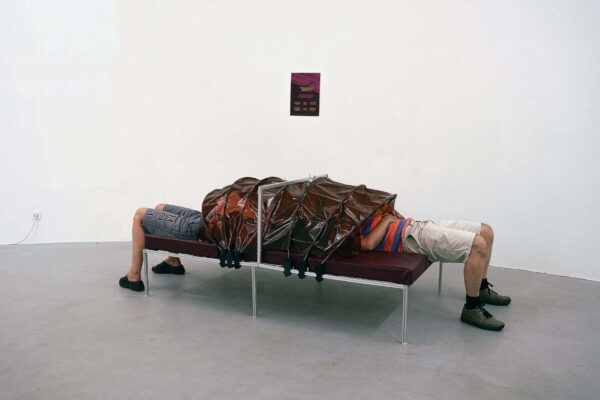
The Affirmation Machine – Luīze Ancāne, Mădălina Zgreabăn, David Tiemstra, Lawrence Kudria

Terms of Intimacy presents seven works emerging from CODE 2026, an international programme in which artists, researchers, policymakers and others collaborate on issues relating to digital ethics. The exhibition explores how technologies that promise proximity and personalised services simultaneously collect data about our bodies, attention and behaviour, raising questions about agency, privacy and digital rights. By making contemporary topics such as biometric data, algorithmic systems and AI tangible, the project invites visitors to reflect on their position in the digital society. IMPAKT receives support through the Four-year Institutional Grant Scheme. The exhibition can be seen at Gebouw SFF.

One Size Fits None – studio affect lab

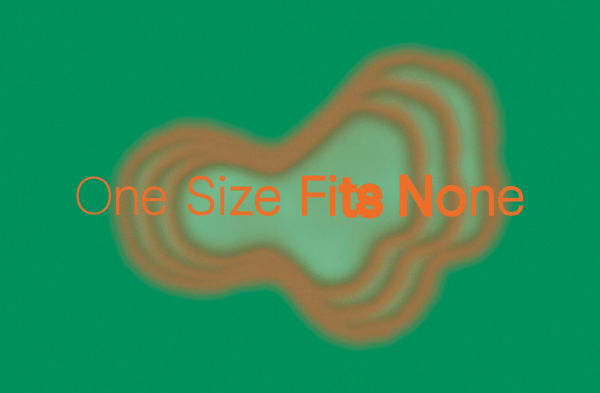
With One Size Fits None, studio affect lab explores how design can contribute to greater awareness of pelvic organ prolapse (POP), a condition that affects millions of people worldwide yet often remains undiscussed. Through an interactive storytelling space, the project shares personal experiences of POP and draws attention to the lack of innovation in aids and care related to the condition. The project aims to break the taboo surrounding POP and inspire designers to develop new solutions for women’s and genderqueer healthcare. The project received support through the Creative Industries Programme Grant Scheme. The installation can be visited at Foundation We Are.

01 ALU EDITION - ECHO

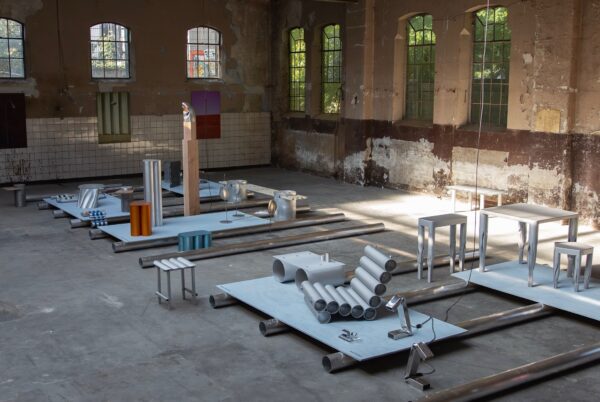
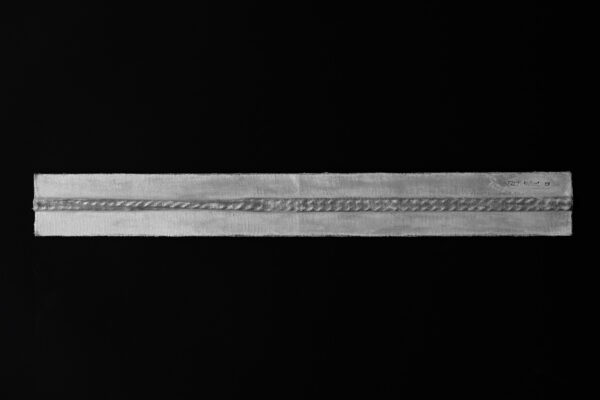
ECHO, a design platform curated by Maaike Rabbinge, explores how aluminium waste streams can serve as a starting point for new design in 01 ALU EDITION. Fifteen designers and studios work with residual materials from the production of extrusion profiles and lighting columns, developing objects, furniture, installations and experiments. By taking the properties and limitations of existing materials as its point of departure, the exhibition demonstrates how design can contribute to new approaches to raw materials and production processes. The exhibition can be seen at Building TX. Maaike Rabbinge received support through the Open Call Self-Learning Designer. As part of the exhibition, Studio Metaform (Kaj Boonstra) presents Bauxite Dreams. This maker received support through the Talent Development Grant Scheme.

The Primitive Line: Industrial Archaeology - JUYUN

With The Primitive Line: Industrial Archaeology, JUYUN explores the intersection of industrial waste materials and the traditional Korean craft of Ottchil lacquering. For the project, the designer transforms discarded moulds, tanks and lighting fixtures into functional furniture and objects. By applying multiple layers of lacquer to these industrial remnants, JUYUN not only gives them new meaning, but also reveals the hidden beauty and enduring value of discarded materials. JUYUN received support through the Talent Development Grant Scheme. The exhibition can be visited free of charge at Piet Hein Eek.