Cyanne van den Houten explores AI’s hidden infrastructure in Hong Kong
How visible are the ecological and social consequences of artificial intelligence? Media artist Cyanne van den Houten explored this question during a residency at Videotage in Hong Kong, supported by the Open Call Residency Videotage. The immersive installation Phantasmagoria, which focuses on technology’s often hidden dark side was developed whilst there. The open calls for several residencies, not only in Hong Kong but also in Morocco, Suriname and Indonesia, are now open for applications and close on 21 October at 16:00 CEST.
2 September 2026
During their stay, Van den Houten investigated the roles of Hong Kong and the Pearl River Delta in the global AI ecosystem. This region plays an important part in the production, processing and circulation of technology. At the same time, many of the consequences, ranging from energy consumption and resource extraction to labour and electronic waste, remain largely invisible. These hidden stories were the starting point for Van den Houten’s research.
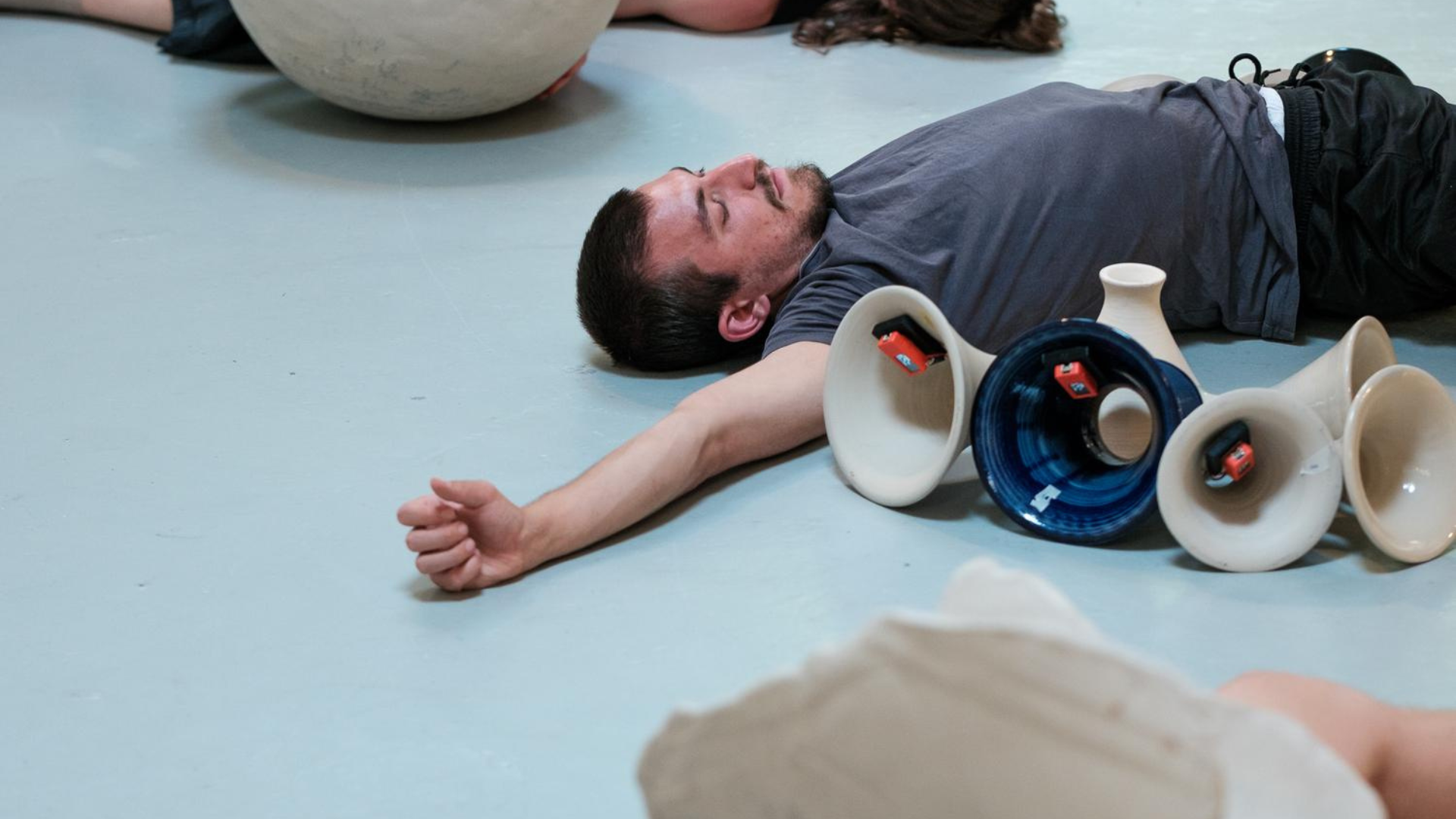
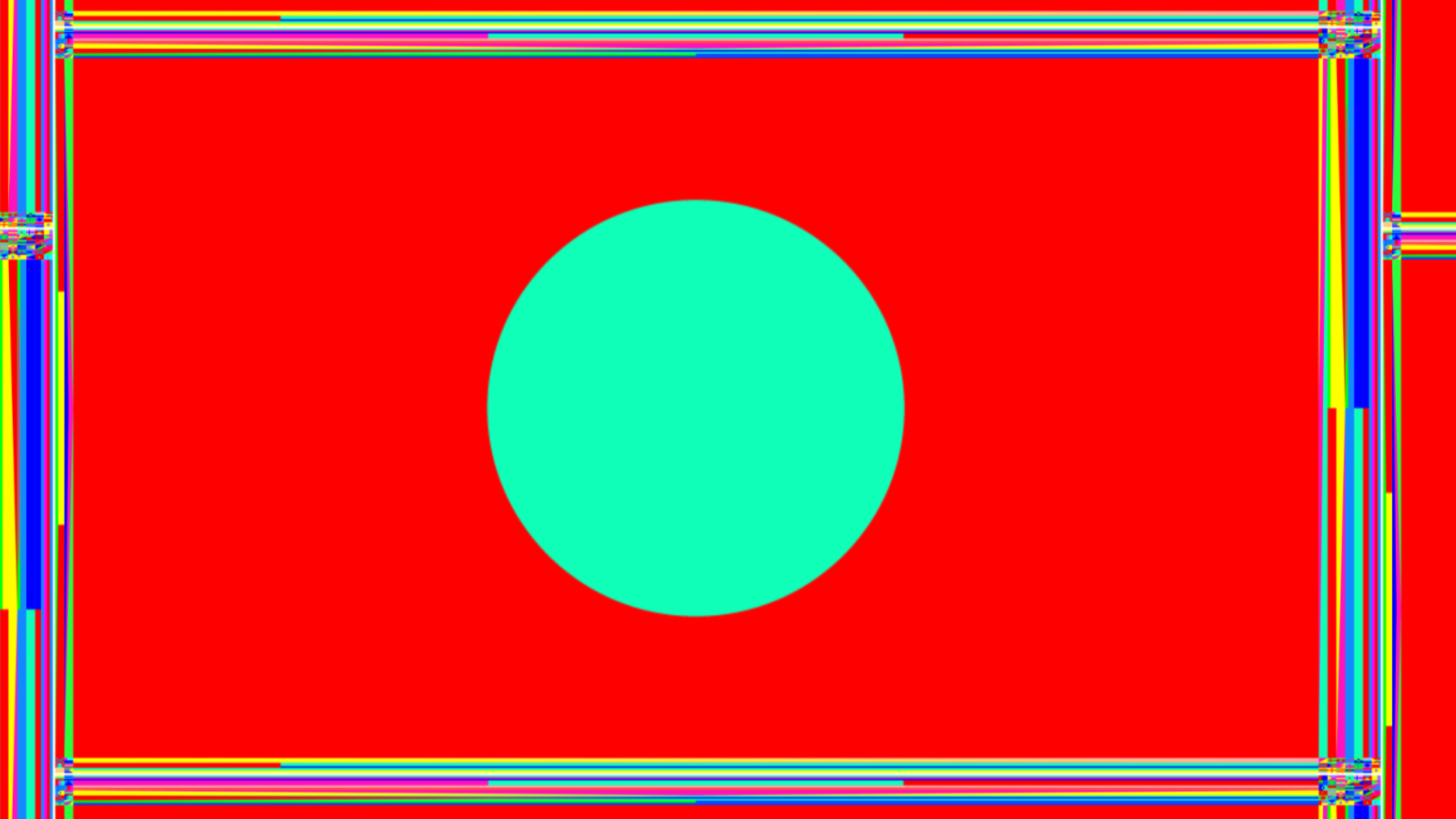
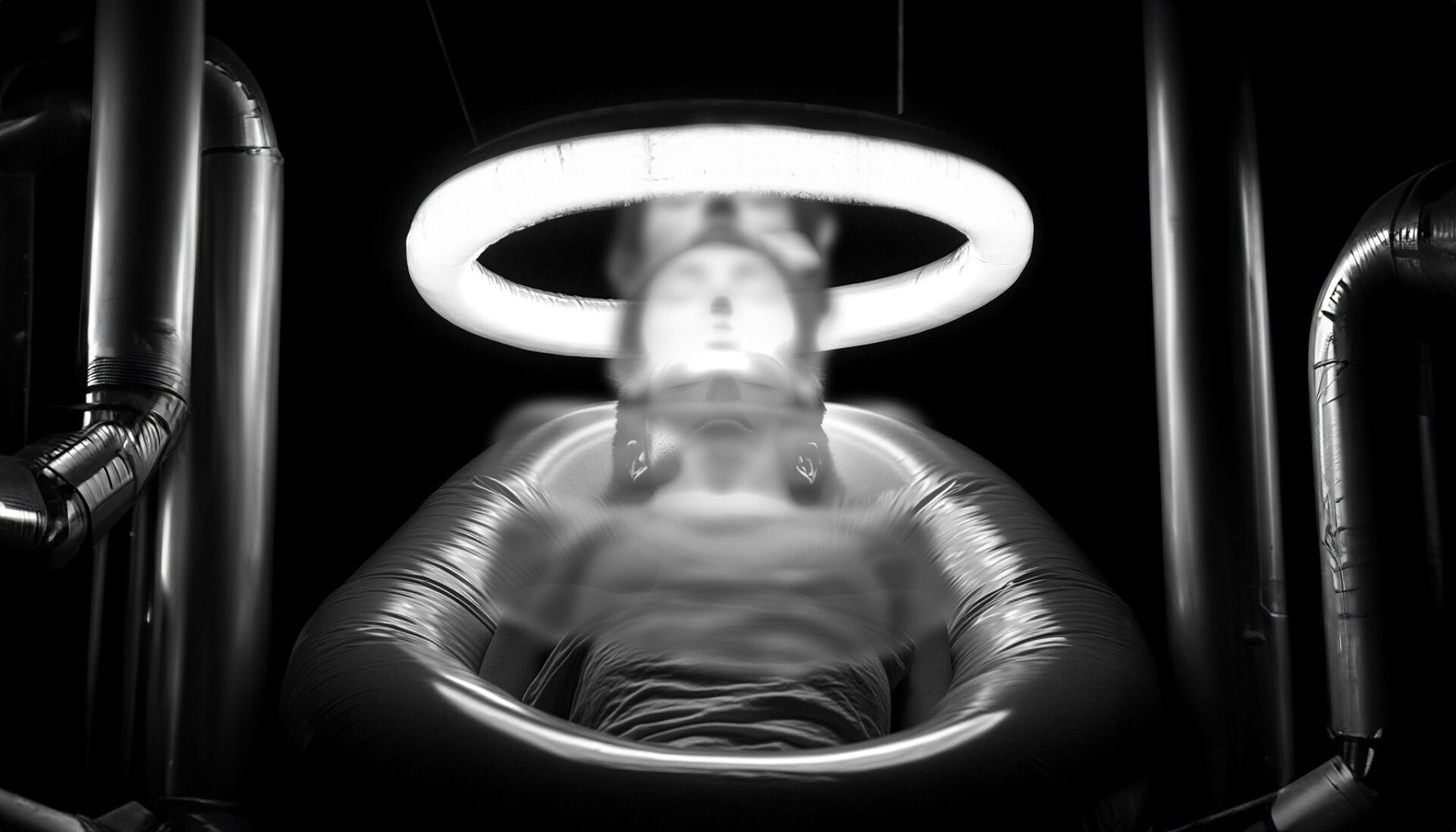
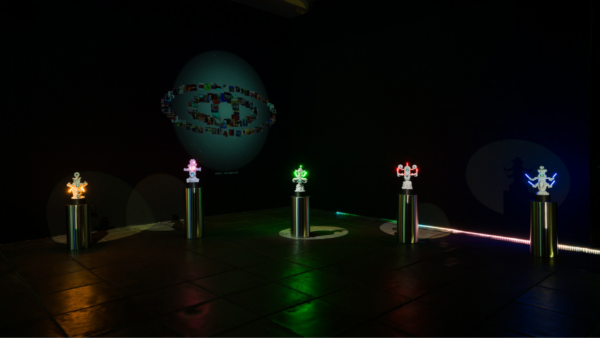
This resulted in Phantasmagoria, an installation that presents technology not as something self-evident or immaterial, but as a system deeply intertwined with people, places and natural resources. Van den Houten visualises what often remains out of sight using field recordings, data visualisations, light installations and self-assembled sculptures.
For the installation, Van den Houten drew inspiration from the phantasmagoria, an 18th-century form of illusion theatre in which ghosts and apparitions were conjured up by projecting images. In Phantasmagoria, these ghosts return in a contemporary form: as traces of obsolete technologies, failed experiments and forgotten infrastructures that continue to shape the digital age.
The residency at Videotage offers makers the opportunity to conduct research, explore new perspectives and engage with Hong Kong’s local context. For Van den Houten, the city provided a unique environment for reflecting on rapid technological developments and their societal impact. In the video, they share how the residency contributed new insights, leading to the development of the installation.
Discover more