
Digital culture – 11 projects selected
In the third and last round of the Digital Culture Grant Scheme in 2025, 11 applications have been selected. This grant scheme is for makers developing alternative perspectives on digital technology. Research and experimentation are central, as well as critical reflection on how digital tools are shaping our society.
22 January 2026
General impression
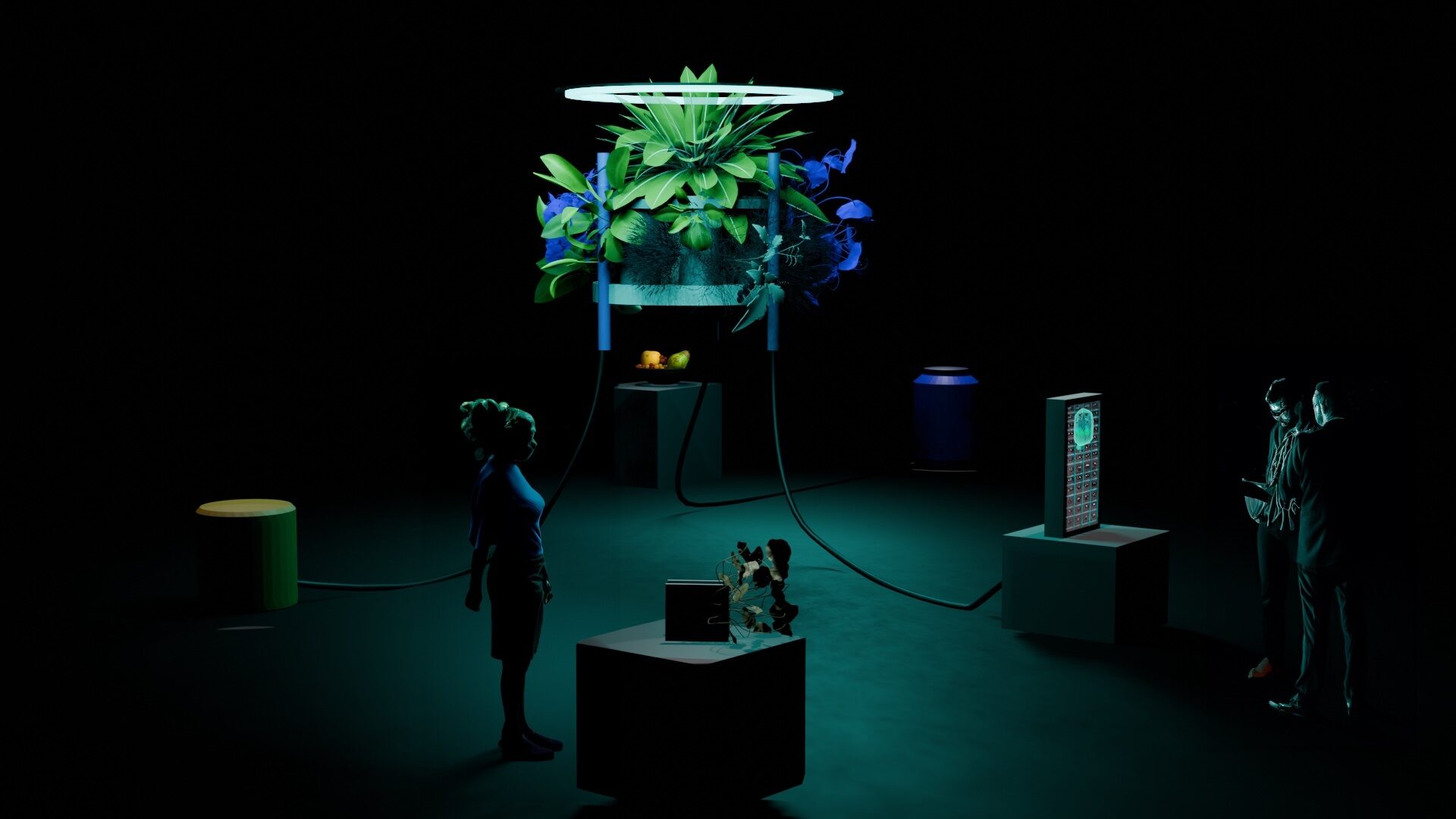
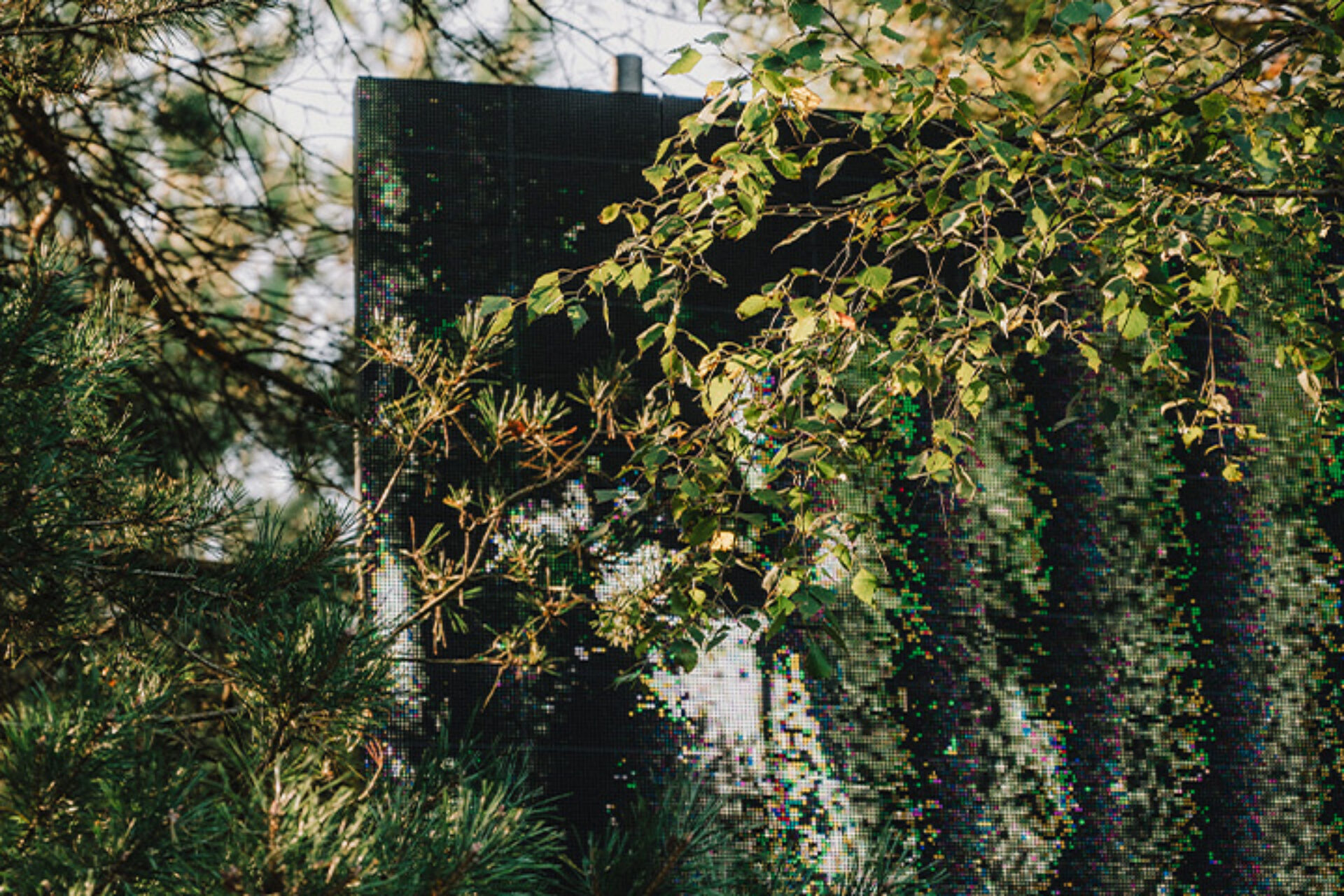
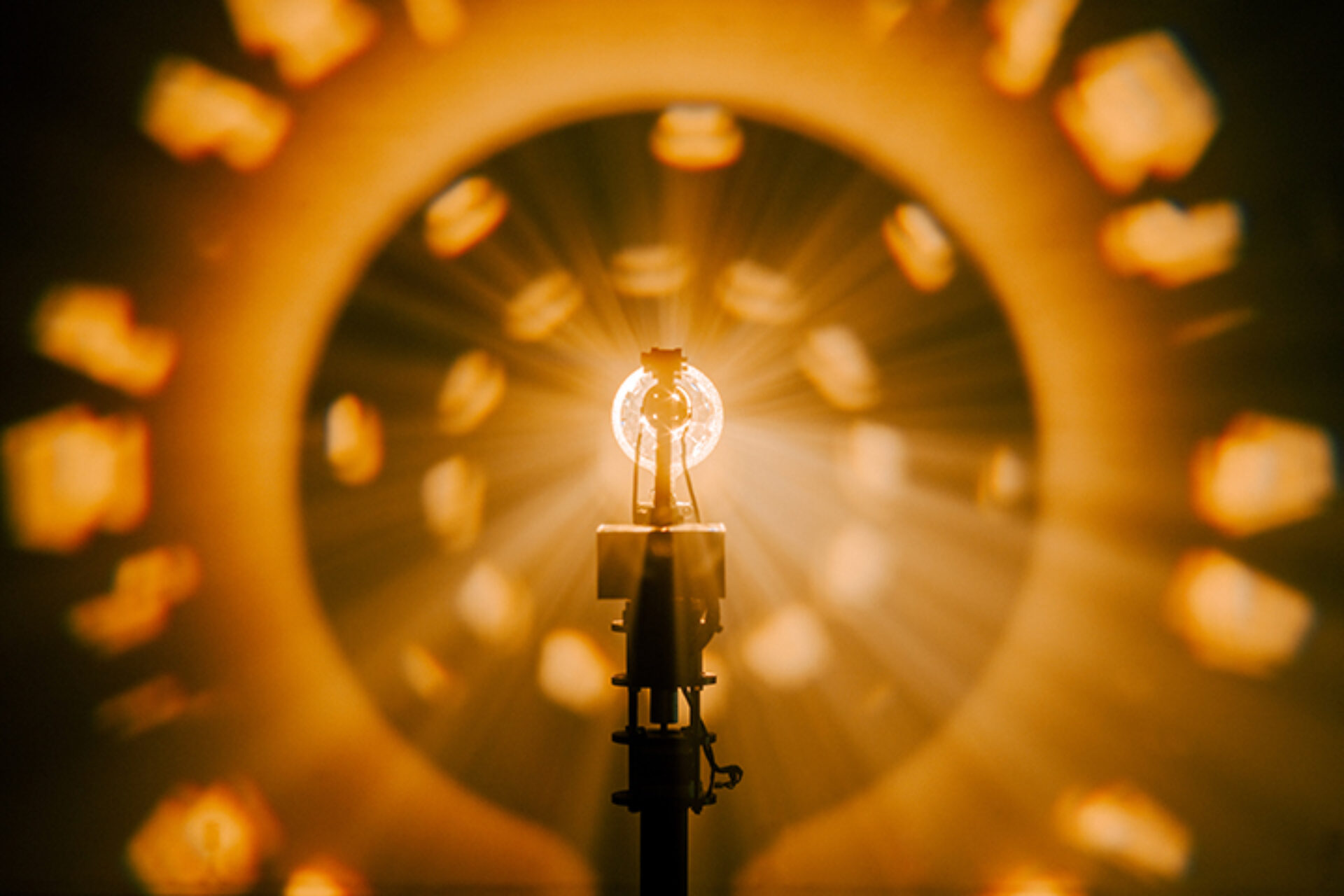
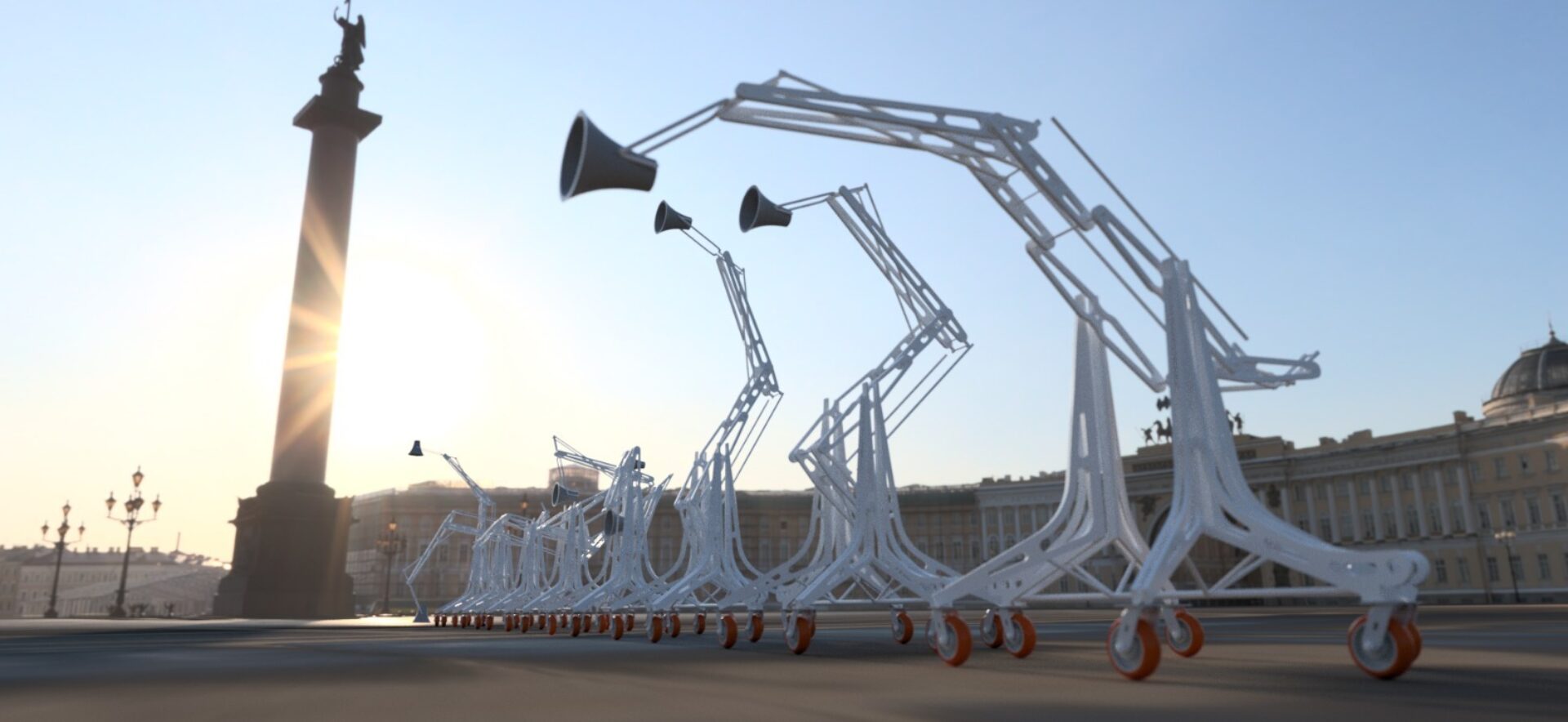
Verticality as a sound box, materials as sound instruments and underground ecosystems as sources of knowledge and inspiration: several projects selected for the Digital Culture grant scheme explore what is usually outside human perception. Scalar Towers is a project by BJ Nilsen, and it explores verticality as an artistic principle. The sound artist uses sound recordings made with a specially developed microphone set-up in towers, stairwells, rock faces and treetops, among other places. In Shaping Echoes, Aimée Theriot-Ramos examines the question: what does an echo look like? For this project, she is developing a special device that converts materials into sounding instruments. Christine Hvidt focuses in Subterranean on what goes on underground. Using machine learning, she analyses sounds from soil ecosystems and explores how this hidden world can provide new forms of knowledge.
Other projects have a stronger emphasis on critical reflection. Who manages our digital systems, and in what way? Alternative uses and practices are being looked for. For example, with Content Machines, Distant.gallery is organising a festival that addresses the question of how artists deal with the automation and AI optimisation of cultural production. On a self-built platform independent of Big Tech, the project brings together exhibitions, performances and installations. Like Distant.gallery, Warpglaze is also building an alternative infrastructure, but to encourage inclusion in gaming cultures. Through open calls and design workshops, they are building an open-access library of 3D components for games. The aim of the Feminist Gaming project is to break through the dominant perceptions in games and provide new, more inclusive design options.
selection
You can see the entire selection here. Other notable projects in this round include:

A Cam - Daniel Jacoby & Jaume Ferrete
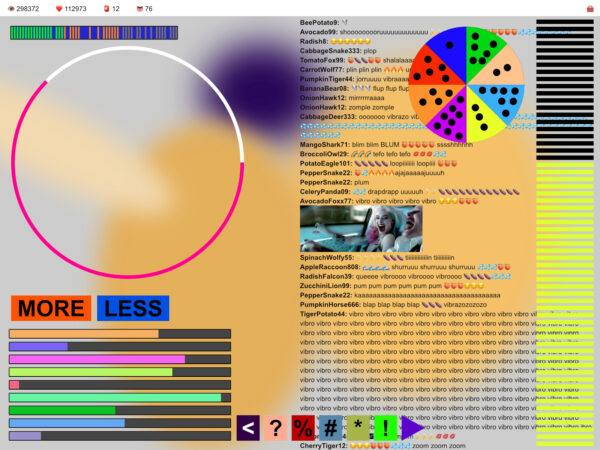
A Cam is a web-based game in which players take on the role of sex-cam performers working their way through a dystopian digital economy. The game utilises idle-game principles. Players collect items such as clothing, lighting and remote-controlled sex toys, as well as more futuristic objects, including holographic body coverings, cognitive medicines and surgical implants. Through its abstract, non-explicit design, the game emphasises the slow passage of time, in contrast to an accelerated and highly mediatised environment. Daniel Jacoby is collaborating with Barcelona-based artist, web developer, teacher and researcher Jaume Ferrete. LI-MA Media Arts is supporting the project with expertise, distribution and digital preservation. Hangar is involved for support with production resources, expertise, promotion and presentation, and Serafín Álvarez has joined in as a consultant.
FIEND - Karuga
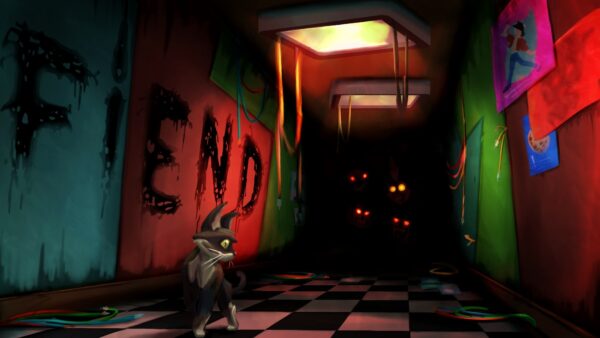
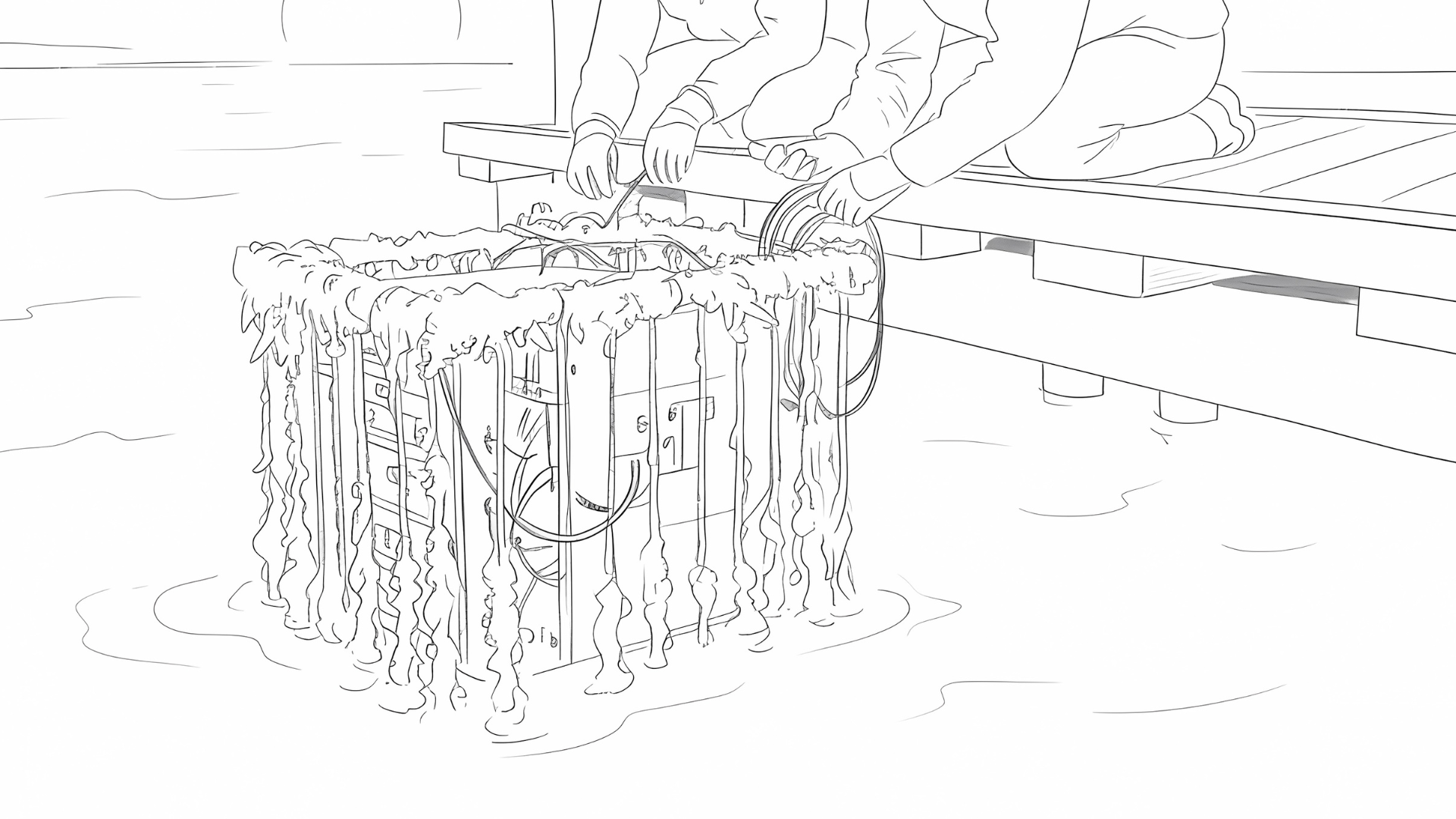
FIEND is a horror-musical game set in a 1980s family entertainment centre. The game combines psychological tension, puzzles, escape mechanics and surreal environments with an adaptive soundtrack. This soundtrack is inspired by horror-punk and synthwave and functions as an active gameplay engine: the music responds in real time to player choices and drives the story. Following on from an earlier starting grant that produced a proof of concept, this sequel focuses on developing an elaborated vertical slice. The multidisciplinary team of designers, musicians and programmers is working over a period of eight months in phases: pre-production, asset creation, integration and playtesting. The intended result is a play-ready prototype that serves as a basis for follow-up funding and presentation to publishers and audiences.

Elaine's (mis)Spell - Femke Herregraven
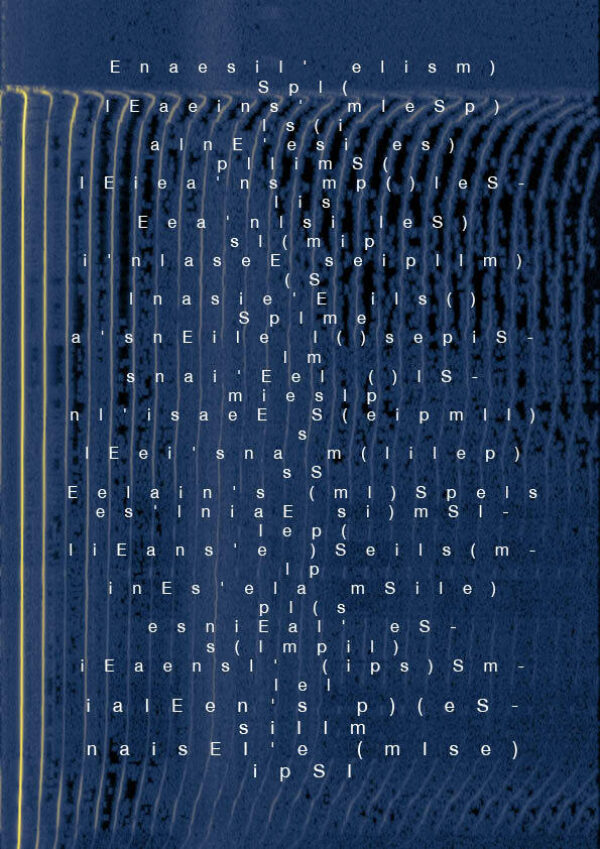
Elaine’s (mis)Spell is a research project into the boundaries of language and what counts as writing, speaking and communicating within digital systems. Femke Herregraven is developing an experimental language model that both ‘speaks’ and ‘writes’. The project builds on Herregraven’s long-term research into how language is defined and taught to machines. This new step is designed to resist machine-enhanced standardisation of language. By embracing incorrect, noisy, animalistic and ‘incomprehensible’ forms, Herregraven emphasises diversity and imagination. The project explores how errors, background noise, vocalisation and perception are shared between species, media and technology, and in so doing brings to the fore the ecological anchoring of language. The artistic results will be presented in exhibitions, lectures and publications. Herregraven is collaborating with creative technologist Gabor Szalatnyai, V2 and Dat Bolwerck.
numbers
In this final round of 2025, applications were processed in order of submission. In the first phase, 108 summary applications were submitted. A predetermined maximum number of 50 applications were allowed to be supplemented with a detailed project plan, budget, schedule and communication plan. After a check on the formal criteria and completeness, 44 applications were then submitted to the advisory committee for assessment.
The budget available was € 380,000. As the total amount applied for by the positively assessed applications exceeded the available budget, prioritisation was carried out. Eleven of the 20 positively assessed projects are receiving grants.
follow-up
In 2026, there are two application rounds for the Digital Culture Grant Scheme with the following time periods:
- 26 February - 4 March
- 12 August - 19 August 2026
You can submit your grant application from 15:00 CE(S)T on the opening date of the grant period, and until 16:00 CE(S)T on the closing date.
Note: unlike the 2025 rounds, the order of submission is no longer important. After the grant period closes, all applications will be ranked in random order by means of a draw system, after which processing will begin. Read more in this news item.
Header image: Dance out of pattern - Luna Maurer