
search

22 projects were selected in the first round of the Digital Culture Grant Scheme in 2026.

8 July 2026

This grant scheme is intended for makers developing alternative perspectives on digital technology. Research and experimentation are central, but so is critical reflection on how digital tools shape our society. You can find an overview of all the selected projects in the awarded grants archive (in Dutch).

Featured

Some notable projects include:

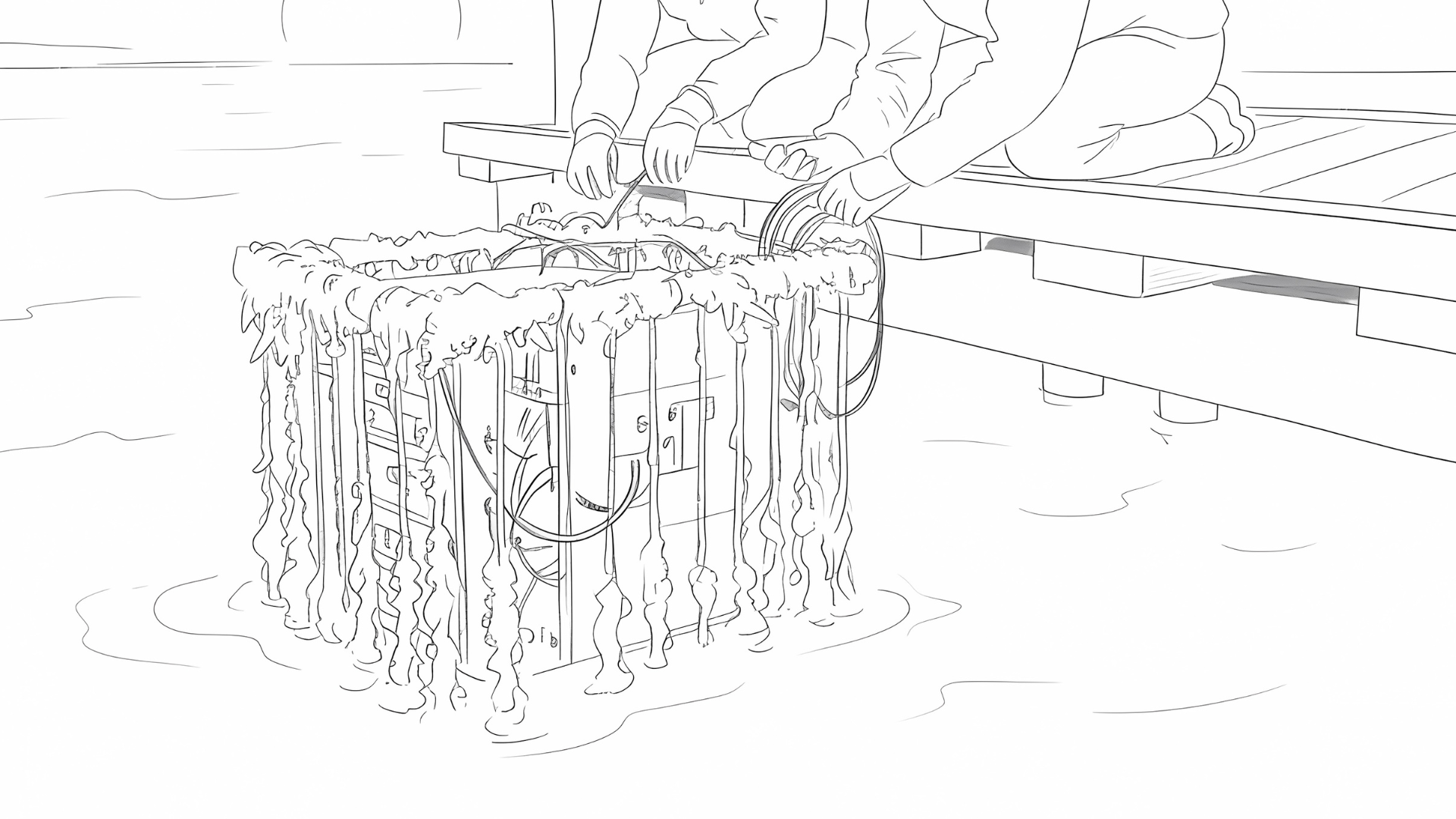
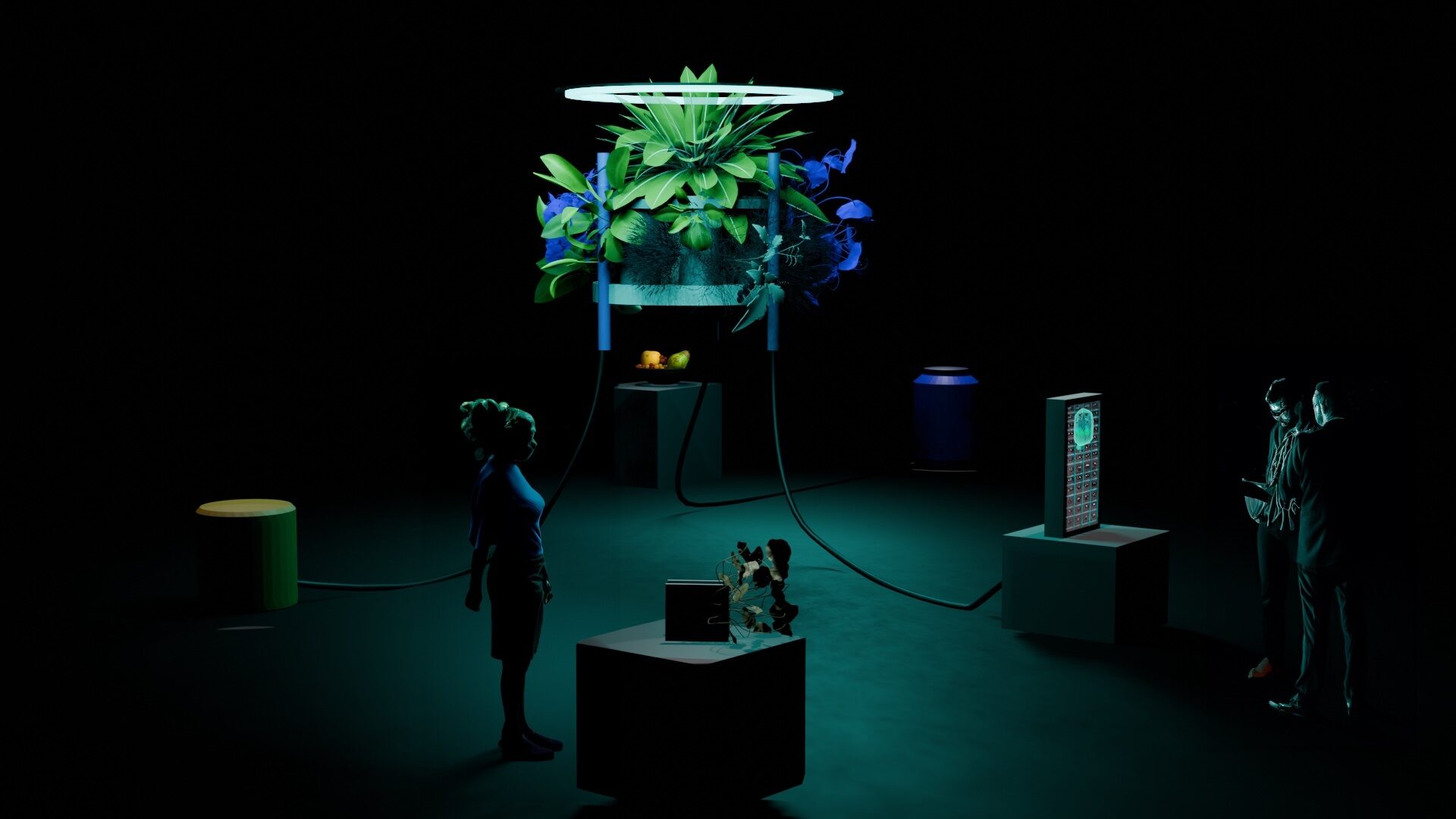
Green Clouds, Remeber To Forget Me – Mamamess

Green Clouds, Remeber To Forget Me – Mamamess
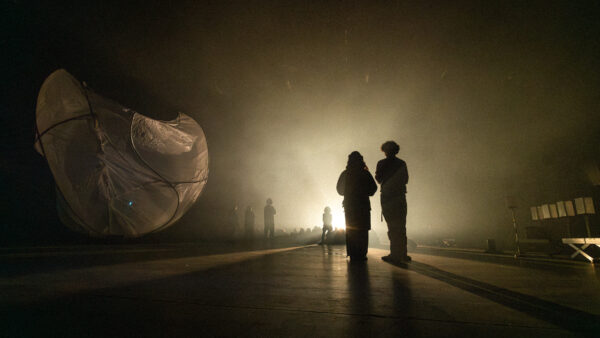
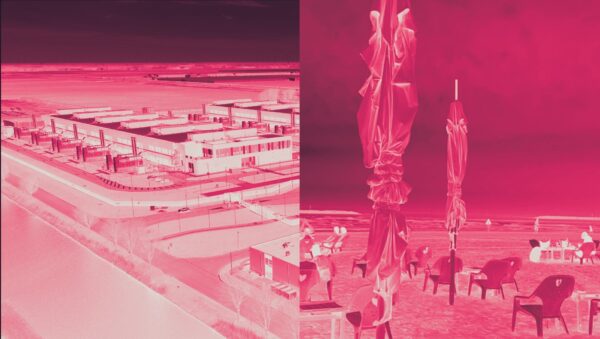
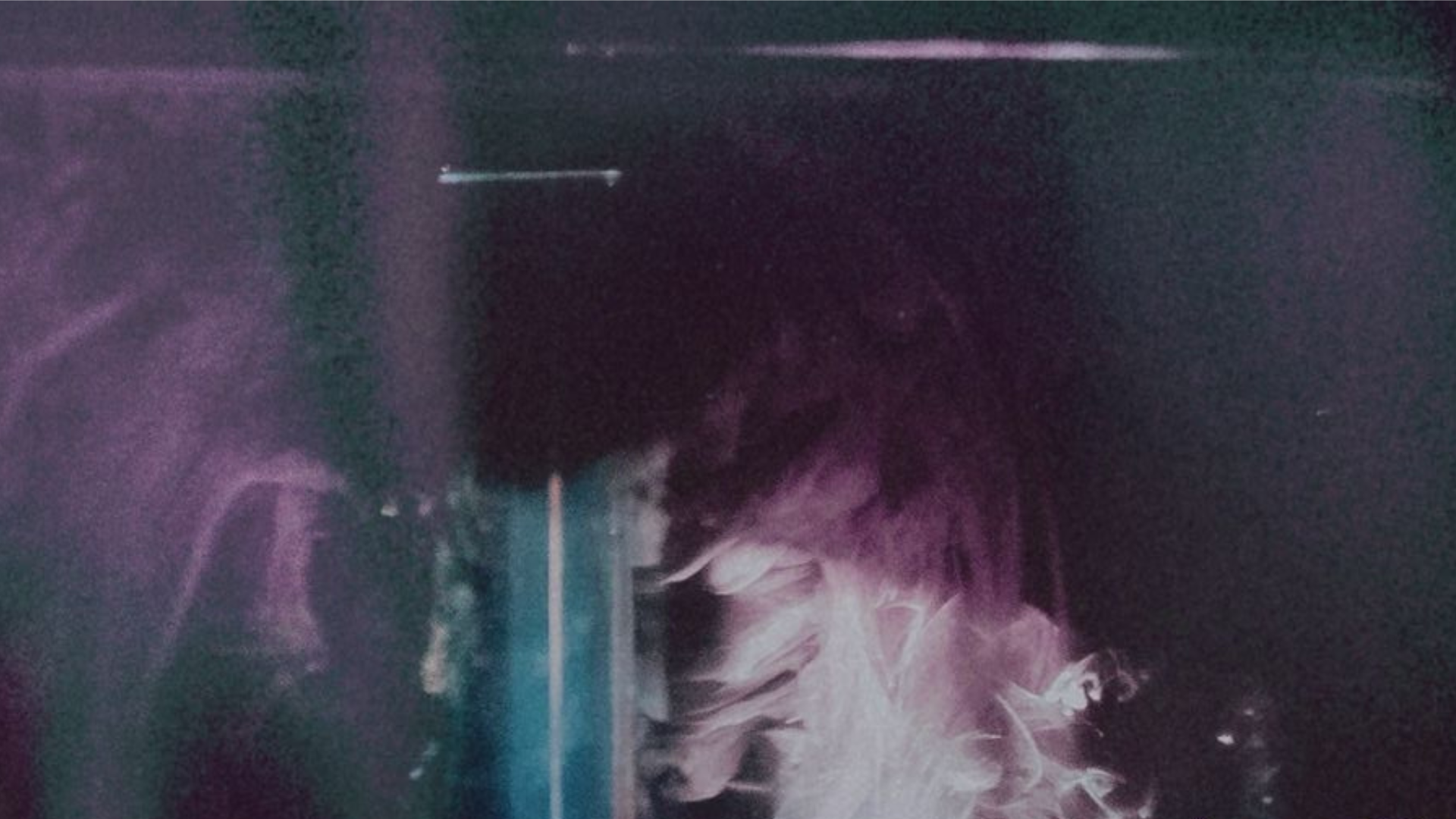
In Green Clouds, Remember To Forget Me, Mamamess explores the tension between fragile human memory and the permanent nature of digital data storage. The aim is to explore alternative forms of memory, and 'forgetting' as resistance to the logic of digital storage. For this project, Mamamess combines information about public space, data centres and the hospital. The Critical Infrastructure Lab (University of Amsterdam) is a partner for geopolitical research. The artistic execution takes place together with a team and results in a filmic essay and a live lecture-performance addressing the meaning of forgetting and the collective right to be forgotten.
Analog Futures: A Modular Electronics Kit for Digital Culture – Acid Solder Club

Analog Futures: A Modular Electronics Kit for Digital Culture – Acid Solder Club
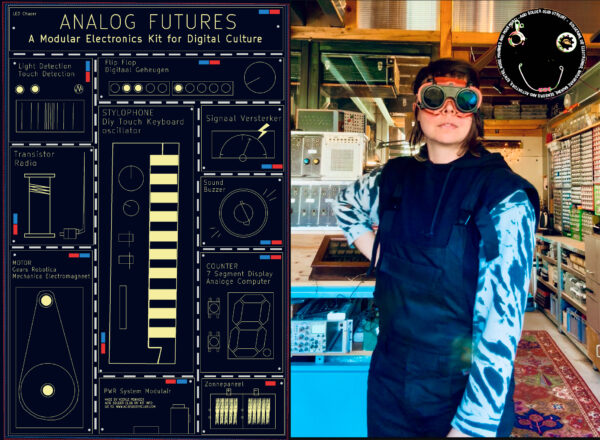
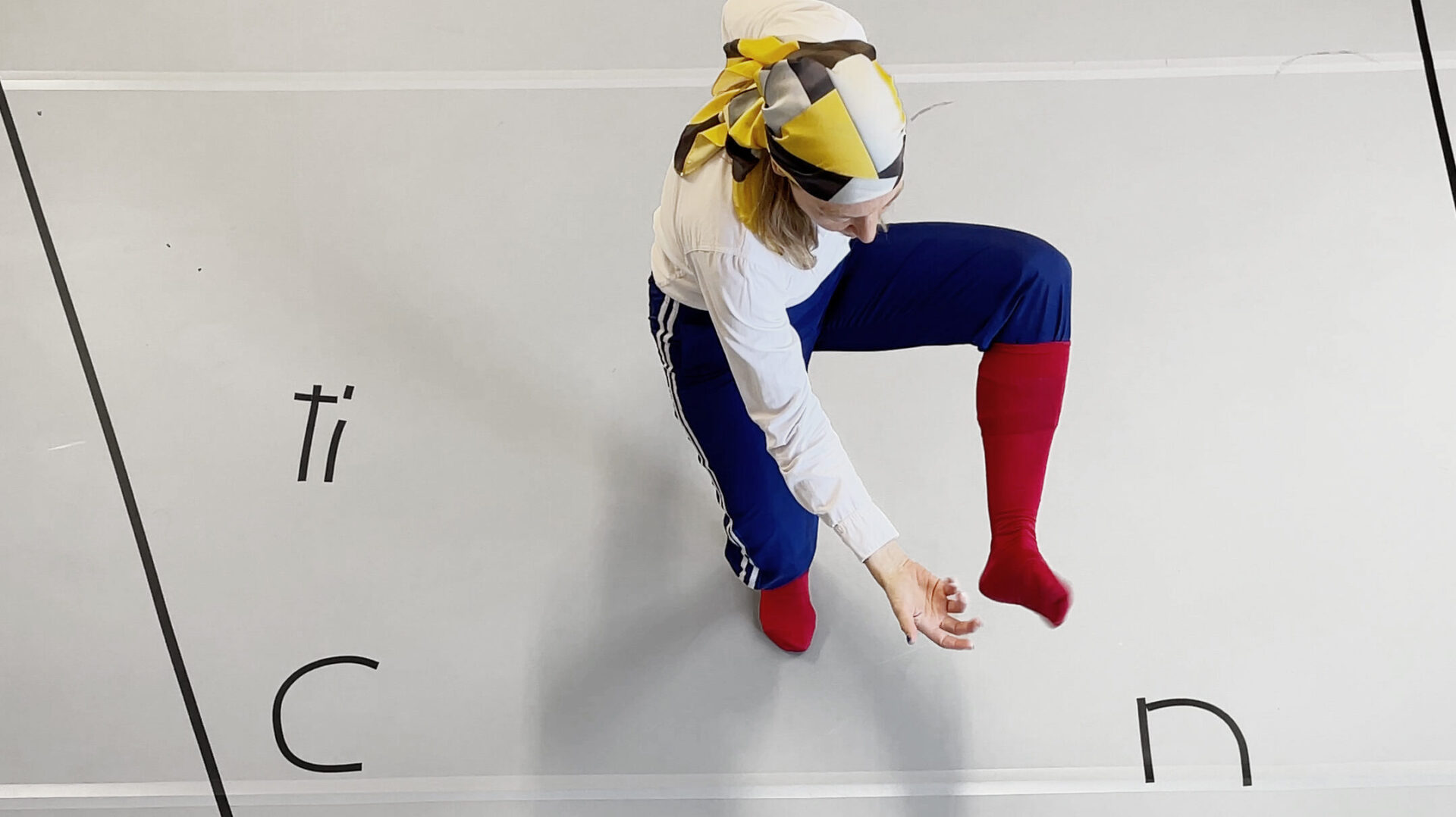
In Analog Futures: A Modular Electronics Kit for Digital Culture, Veerle Pennock (Acid Solder Club) investigates how practical knowledge of analogue electronic objects contributes to understanding digital technology, using a modular soldering kit inspired by historical educational systems and analogue computers. Users build, for example, oscillators and digital counters, and in doing so, learn about digital processes in a tangible way. The project aims to encourage a new generation of makers to use digital technology critically and creatively. Eighty prototypes are being developed and tested at institutions including HKU, ArtEZ, the Herman Brood Academie and Het Kunstlaboratorium in Utrecht, together with international partner This Museum is (Not) Obsolete in Ramsgate (UK). Acid Solder Club is working towards delivering a toolkit with a print run of 100, an online learning environment and a teaching method for educational and other maker contexts.

Xiren – Yeon Sung

Xiren – Yeon Sung
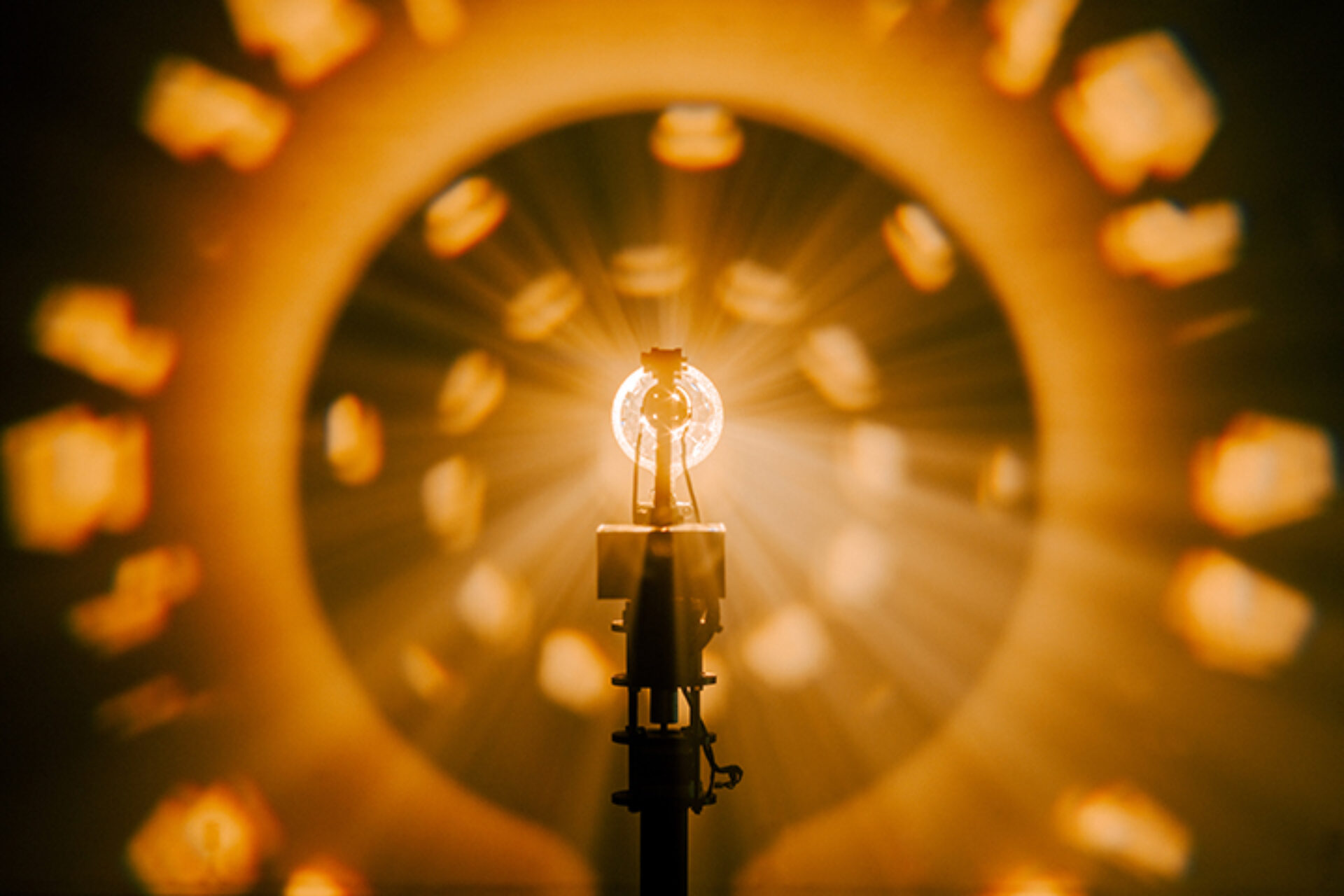
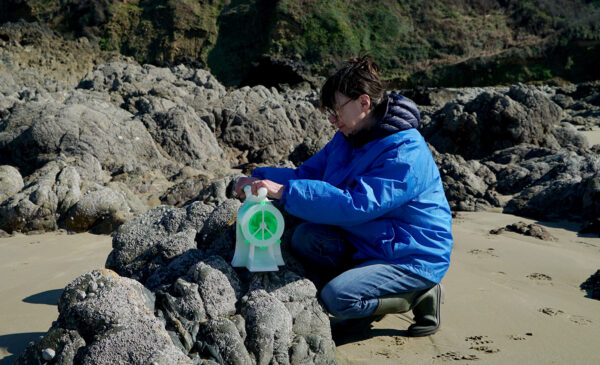
As part of the Xiren project, Yeon Sung is developing a musical instrument that makes the contamination data of radioactive desert dust from the Sahara and local wind patterns audible and tangible in real time. The desert dust became contaminated during French nuclear tests in Algeria in the 1960s and has been spreading from continent to continent ever since. For Sung, the dust is not only radiological evidence, but also a physical reminder of the slow violence in the former French colony. The project involves archival research in Lyon and a forensic isotopic analysis at the Association pour le Contrôle de la Radioactivité dans l'Ouest in Normandy. Sung is working on the instrument together with design engineer Jeongsik Kim and sound artist Sima Kim. She is also producing open-source documentation, co-authoring an essay with Agnès Villette, and performing at anti-nuclear protests in the Netherlands and France.

Numbers

This application round in numbers:

  • 121 applications submitted for phase I, 70 of which were taken into consideration
  • 68 applications submitted for phase II, all of which were taken into consideration
  • 23 applications were given a positive advice, 22 of which received a grant within the available budget
  • The budget for the round was € 650,000; the amount awarded is € 643,512
  • As the total amount applied for by the positively assessed applications exceeded the available budget, prioritisation was carried out. The remaining budget was not sufficient to support another project and has been added to the budget for the next round.

This round marked the first use of the draw procedure. Read more about the phasing and draw procedure on the subsidy page of the Digital Culture Grant Scheme, under 'how does this grant scheme work'.

Follow-up

The next grant period of the Digital Culture Grant Scheme is open from 12 August 2026 at 15:00 CE(S)T until 19 August at 16:00 CE(S)T. Take a look at the subsidy page of the grant scheme to prepare effectively.


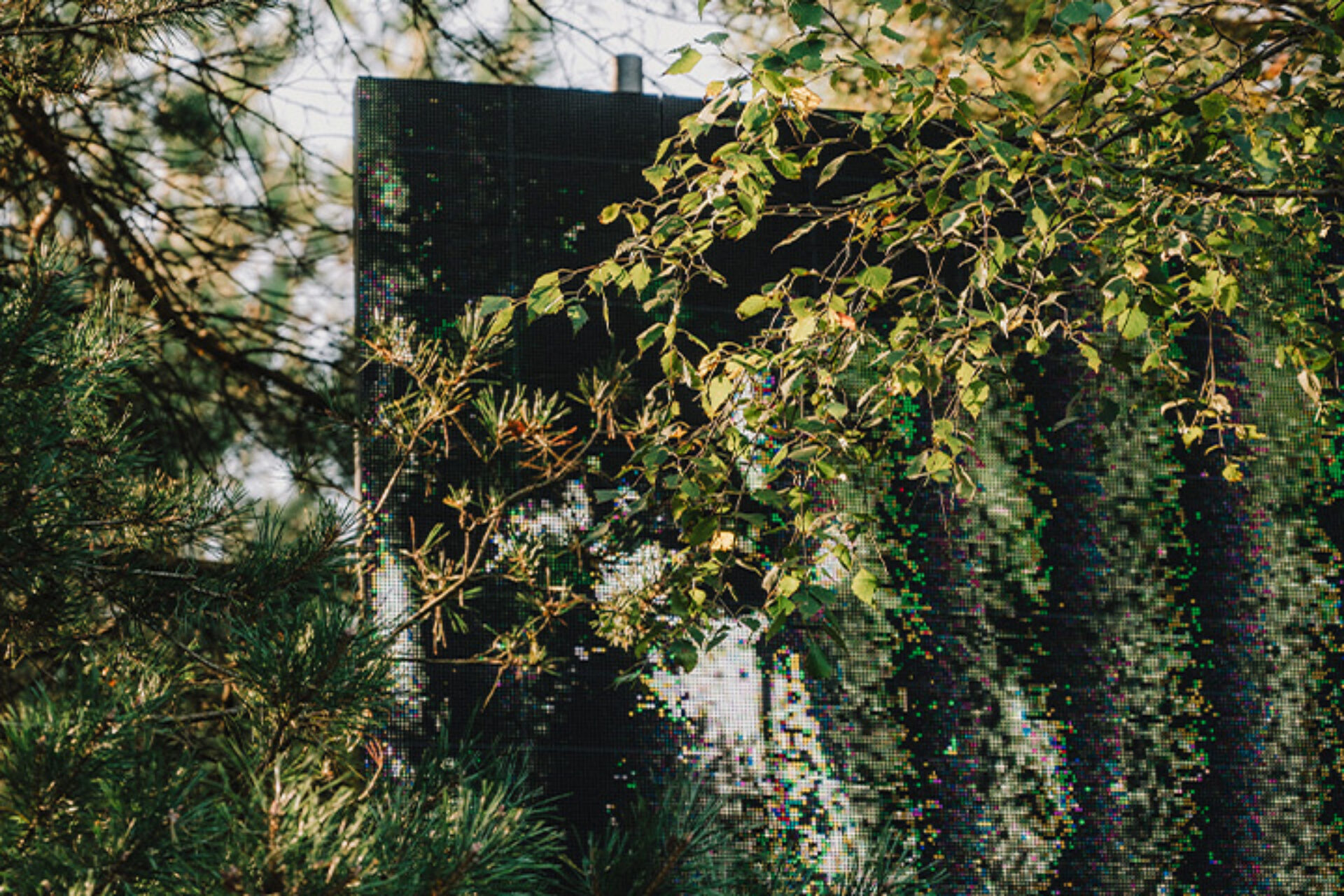
Image at the top: Uncloud 2026 - 10 Years of Breaking the Binary