

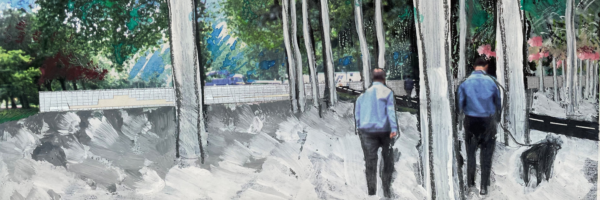
Architecture – 10 projects selected
In the third and last round of the Architecture Grant Scheme in 2025, 10 projects were selected for support. From a lecture series for exchange within the design profession to projects on pressing issues concerning housing, densification and sustainability, what stands out?
general impression
The projects in this selection range from a lecture series for exchange within the design profession to the exploration of concrete issues concerning housing, densification and sustainability. Special attention is paid to the social function of housing. The documentary De Klokkenhof by Bureau Helsingin Montmartre, for example, shows how community building comes under pressure from the financial interests of shareholders. The story zooms in on the Klokkenhof, a block of flats on Surinameplein in Amsterdam. Whereas Bureau Helsingin Montmartre’s project shows the pressure on residents, Studio AAAN focuses on social housing on an urban scale. Een tweede stadsvernieuwing is a research project into the future of 25,000 social-housing units in Rotterdam that were renovated from the 1970s onwards and are now nearing the end of their useful life. The project is developing strategies to give these homes a next life. Other projects address specific housing needs, such as Studio OMBA’s project Samen gescheiden wonen, which explores spatial solutions for divorced parents and their children.
In addition, circularity is a recurring theme. In Joinery After Waste, Studio Method explores which connection techniques work best for disassembly and reuse. The aim is to contribute to a building culture that reuses old materials in a smarter way. Imagined Landscapes: The work of Yves Brunier (1962-1991) highlights a pioneer of environmental thinking in landscape architecture. The book is about the work of the French landscape architect who worked at OMA in the 1980s on projects such as Villa dall’Ava and Museumpark in Rotterdam.
What is further striking about the selected projects is the variety of forms (including research forms): they range from immersive theatre in Performing at Work, a lecture series as a knowledge platform in Design by thinking of… and a travelling exhibition programme (Archiprix Open Vizier) to virtual reality in City Forest Futures.
selection
Some notable projects include:
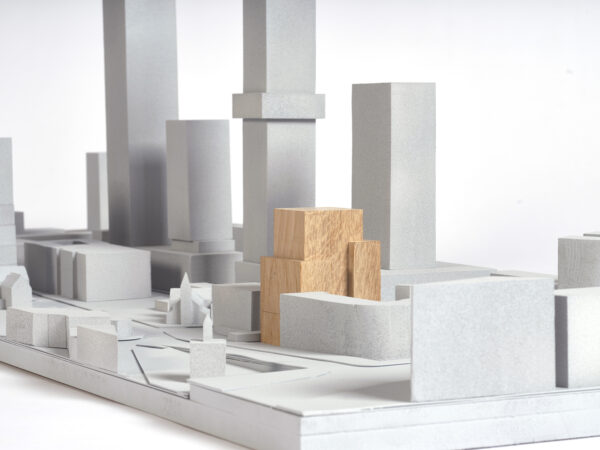
Mid Rise - de verbindende schaal – BETA
With a multidisciplinary team, BETA is investigating the role of mid-rise buildings as a sustainable urban intervention. In four locations, two of them outside the Randstad, the architectural firm is analysing how mid-rise buildings can contribute to densification and liveability. The research combines case studies, design exercises and innovative presentations such as virtual reality, scale models and interviews. Exhibitions make insights accessible to residents, designers and policymakers. Mid Rise - de verbindende schaal aims to broaden the debate on urban densification and strengthen the quality of decision-making. The project provides concrete examples of how mid-rise buildings can respond to housing needs without compromising the living environment.
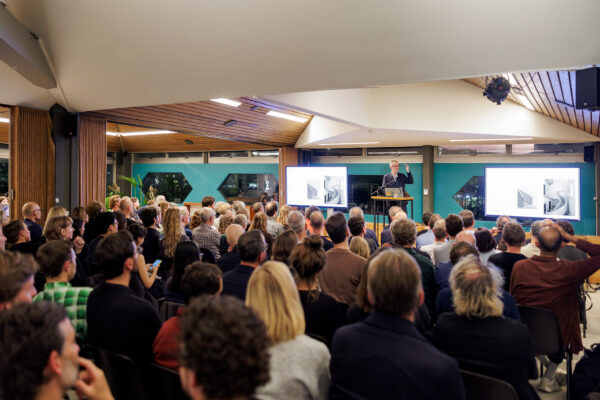
Design by thinking of... – Office Winhov
With Design by thinking of..., Office Winhov is organising a series of lectures for architects from the Netherlands and abroad. The project provides an open podium where speakers can share their design vision and thought processes with peers. The design takes centre stage, and there is a conscious decision not to focus on current themes or trends. Instead, the editorial board decides which architects to invite based on their position in the field and the significance of their work. The aim is to create an inspiring platform where the design process and the underlying thoughts are shared and discussed.
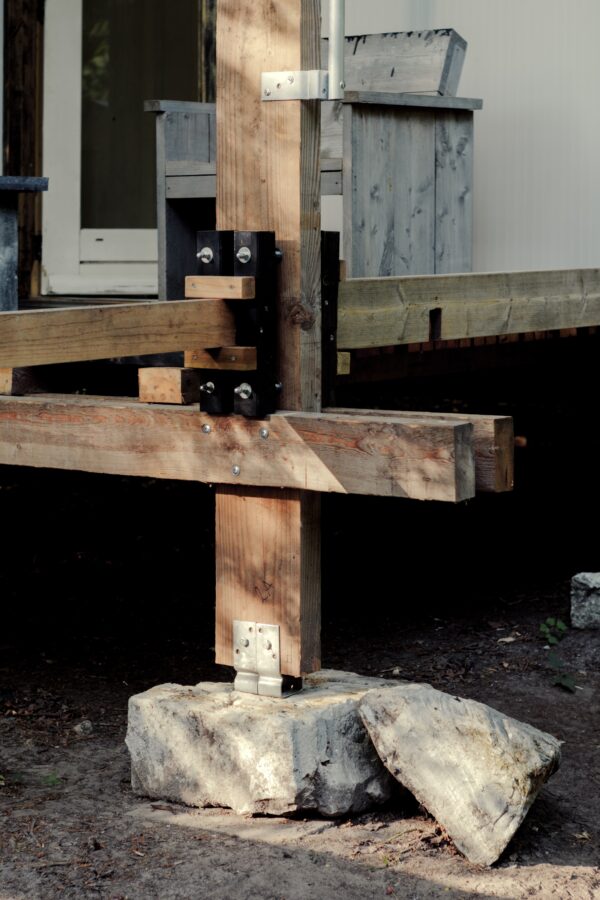
Joinery After Waste – Studio Method
With Joinery After Waste, Studio Method explores how connections and details contribute to circular architecture. Even in reuse, how components are connected to each other is often overlooked, despite the fact that the way components come together is the determining factor in disassembly and reuse. The project treats the connection (the point where components come together) as the place where technology and narrative meet. By means of essays, drawings, construction notes and prototypes, they explore which connection methods work best for reuse. In doing so, they consider both technical feasibility and cultural understandability. They also explore how connection choices affect disassembly, the way buildings are constructed and how they look. The aim is to contribute to a building culture that does not constantly need new materials.
numbers
In the first phase, 44 summary applications were submitted. As this number did not exceed the predetermined maximum of 50 applications, all the applications were allowed to proceed to the second phase. For this phase, the applications were completed with a detailed project plan, budget, schedule and communication plan. Ultimately, 42 complete applications were submitted and presented to the advisory committee. The budget available for this round was € 385,000. As the total amount applied for by the positively assessed applications exceeded the available budget, prioritisation was carried out. Ten of the 24 positively assessed projects are receiving grants.
follow-up
The next grant period of the Architecture Grant Scheme is open from 18 March at 15:00 CET until 24 March 2026 at 16:00 CET. The next grant period of the Architecture Kick-start Grant Scheme (for projects up to € 10,000) is open from 11 March at 15:00 CET until 17 March 2026 at 16:00 CET.
Please note: unlike previous rounds, the order of submission is no longer important. After the period has closed, all applications will be ranked in random order by means of a draw, after which the intake will start. Read more in this news item.




stay stimulated

stay stimulated
