search

Studio Lotek: erosion as design principle

Under the name Seacrete, Lotte Wigman and Ludo Poot from Studio Lotek make building material from oyster and mussel shells. Under the influence of saltwater, the shell concrete erodes and, as a result, becomes part of ecosystems in and around the sea. With support from the Fund under the Architecture Grant Scheme, Wigman and Poot are investigating what it means if building material is not permanent, but goes back to its origins.

18 March 2026

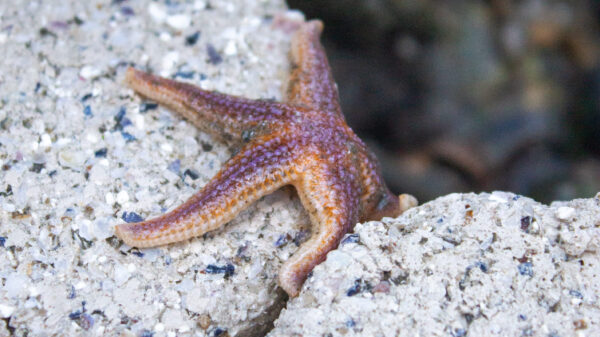
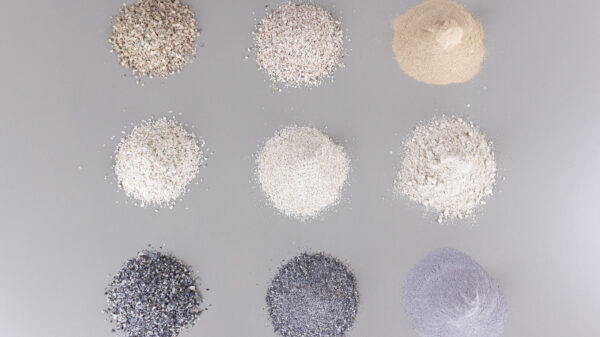
A building material that is intended to slowly wear away. It sounds like a contradiction. And yet that is exactly the basic principle of Seacrete by Studio Lotek. The biomaterial, made from calcium carbonate from oyster and mussel shells, erodes in saltwater in a similar way to natural cliffs. As it wears away, the material becomes colonised and overgrown by all manner of marine life: from algae and barnacles to mussels, anemones and small fish.

Tidal pool

During her final year at the Design Academy Eindhoven, Lotte Wigman developed this bio-based material that transforms through sun, sea and wind, attracting all kinds of marine life. This led her to realise that man-made materials can contribute to the ecological balance in coastal areas, provided they erode in the same way as natural materials. As an experiment, she created a prototype of an architectural tidal pool, a circular ‘bathtub’ that, under the influence of seawater, slowly transforms into an underwater habitat for algae, shellfish beds and other marine organisms.

Negotiating Boundaries - Studio Lotek

Saltwater basins

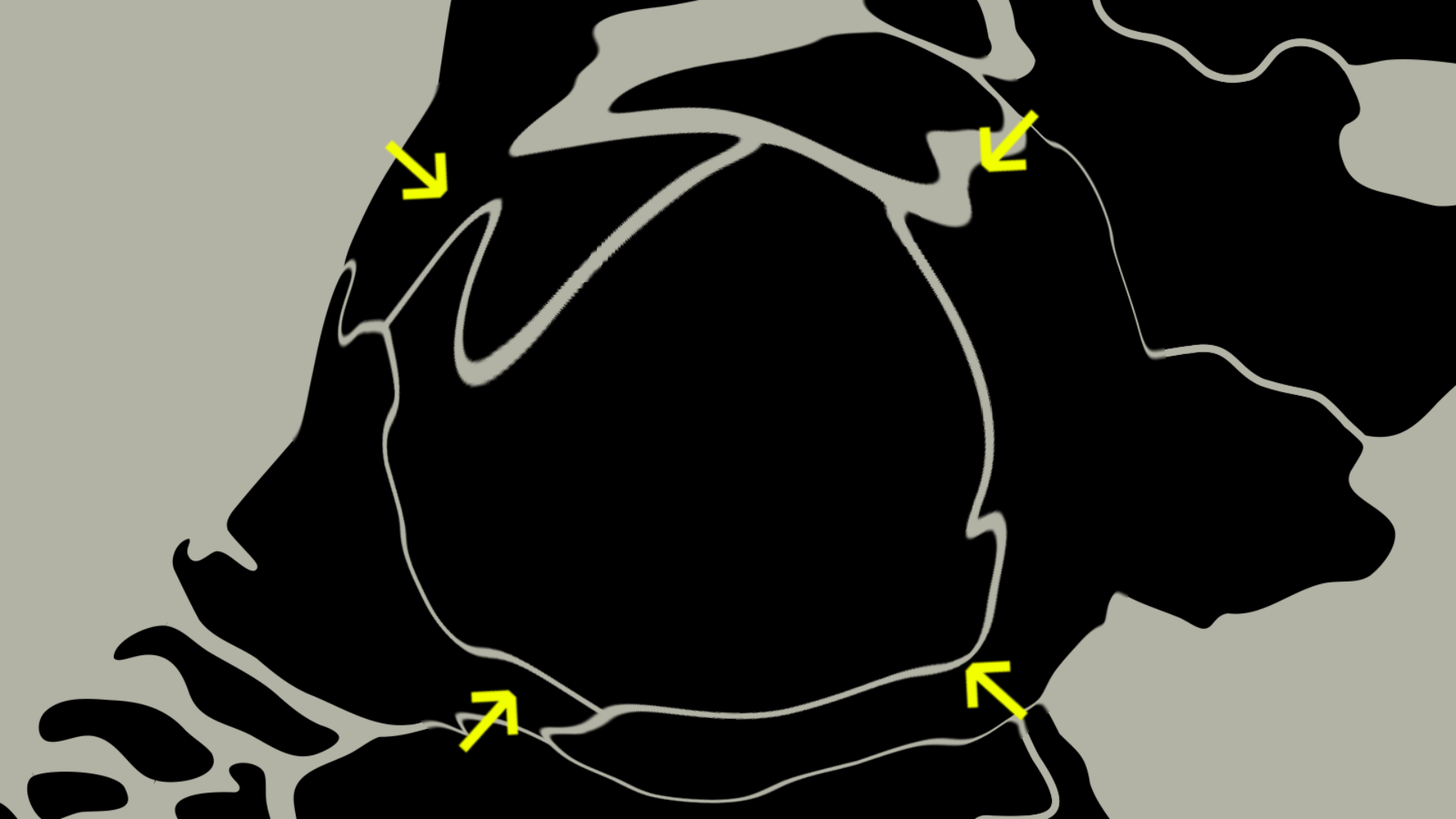
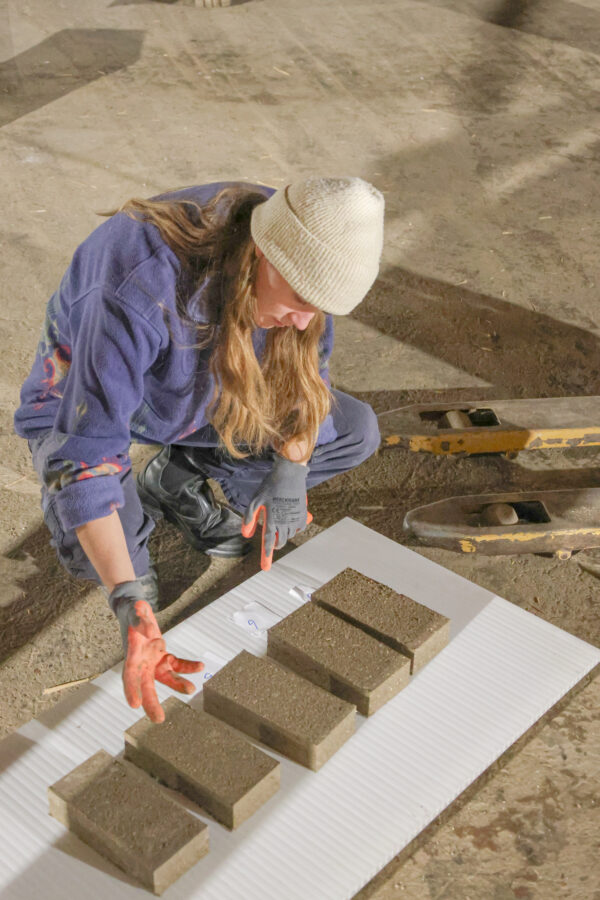
With the Negotiating Boundaries project, which is supported by the Architecture Grant Scheme, Wigman is now working with designer Ludo Poot to investigate shell concrete for larger-scale applications. They create tiles, floors, walls and building elements on a 1:1 scale, including for the construction of an actual tidal pool. The technique they use is based on rammed clay – a centuries-old building method in which clay is compacted into a formwork layer by layer.

To investigate how shell concrete behaves in seawater and what marine life it attracts, Studio Lotek is collaborating with the Royal Netherlands Institute for Sea Research (NIOZ). In the NIOZ saltwater basins in Yerseke, the designers are testing the compressive strength and erosion resistance, whilst scientists monitor which microorganisms are colonising Seacrete. The results are compared with other materials from the NIOZ materials database.

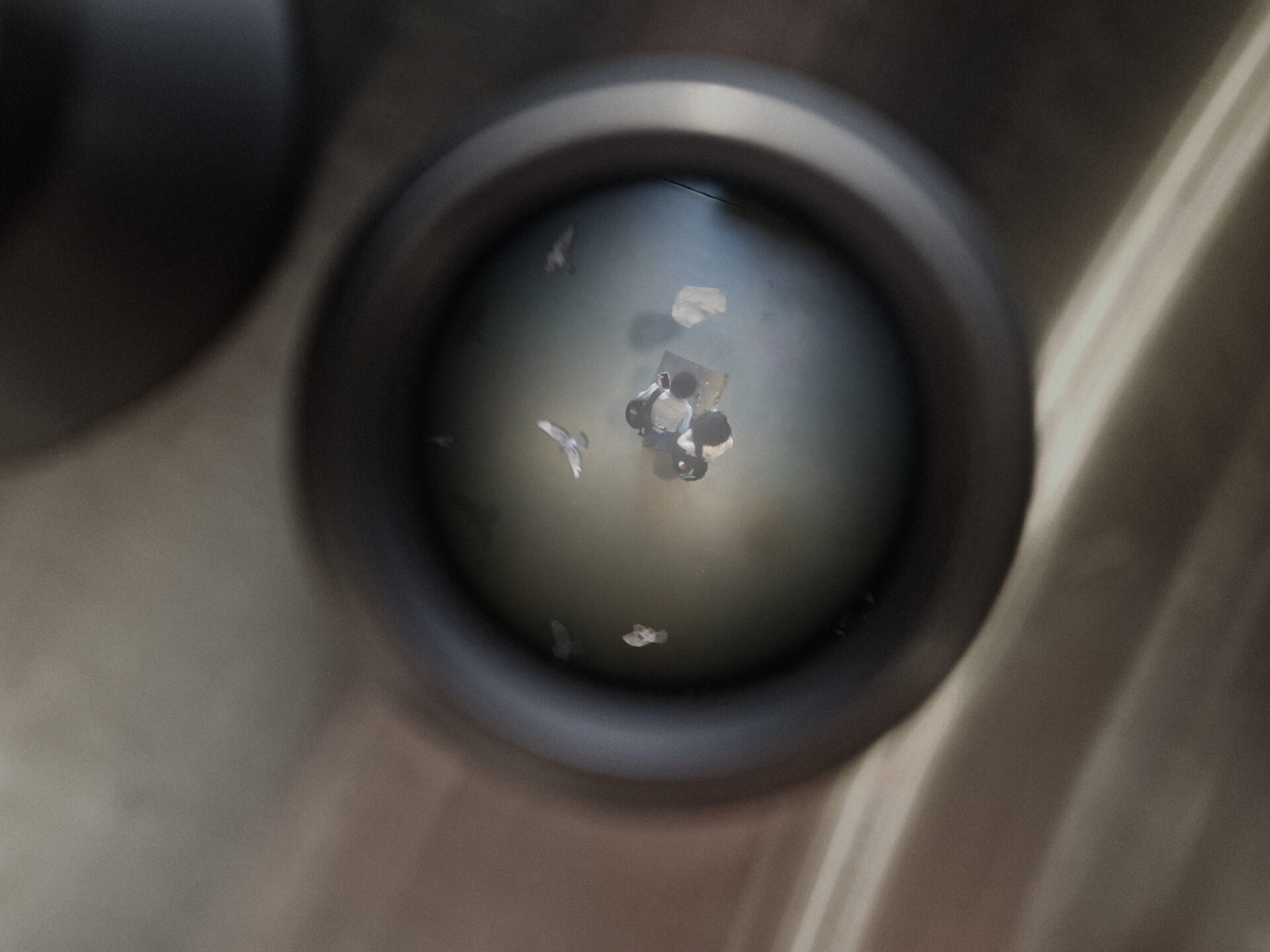
We want to show that architecture and nature do not need to be mutually exclusive, but can evolve together.

Symbiocene architecture

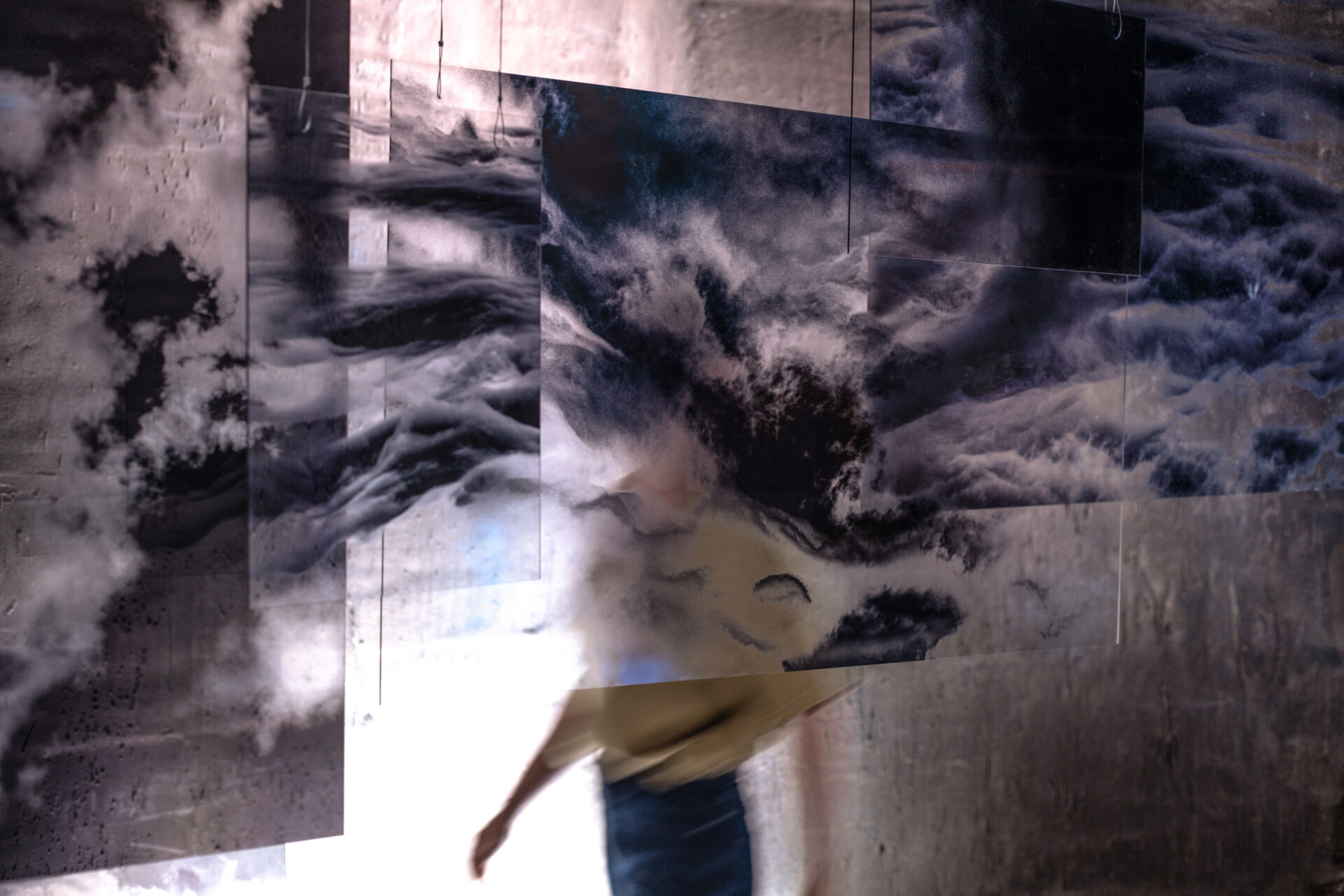
Using the knowledge gained, Studio Lotek aims to optimise the material for practical applications. They see opportunities for design solutions that support and enrich marine ecosystems. Architecture and nature do not actually need to be mutually exclusive, in their view. According to them, the project demonstrates how man-made materials and ecosystems can evolve together. They also have a name for this approach to building, which embraces natural processes such as erosion: symbiocene architecture.

Local involvement

It is not only the scientific community that is showing an interest in the project. The shells used in Seacrete come from waste streams generated by fish restaurants in Zeeland, which means the project is inherently rooted in the local community. There is also interest within the design sector. At Nesse, a cultural hub in Terneuzen, Wigman and Poot recently presented their research project to a group of makers who, like them, have the Zeeland coast as a (temporary) workplace. For designers and architects who would like to learn more about the methods used and the insights gained, Wigman and Poot will soon be making a publication available. Keep an eye on the Studio Lotek website for more information.

Negotiating Boundaries is supported by the Creative Industries Fund NL under the Architecture Grant Scheme. This scheme is intended for projects that contribute to the quality, development or deepening of the field of architecture in the broadest sense. The next closing date of the Architecture Grant Scheme is 24 March 2026.