search

Architecture Grant Scheme – 13 projects selected

Thirteen projects were selected in the first round of the Architecture Grant Scheme in 2026. Team Architecture reflects on the round.

15 May 2026

The Architecture Grant Scheme supports research and design projects by designers, bureaus and organisations based in the Netherlands in the fields of architecture, urban design, landscape architecture and interior architecture.

general impression

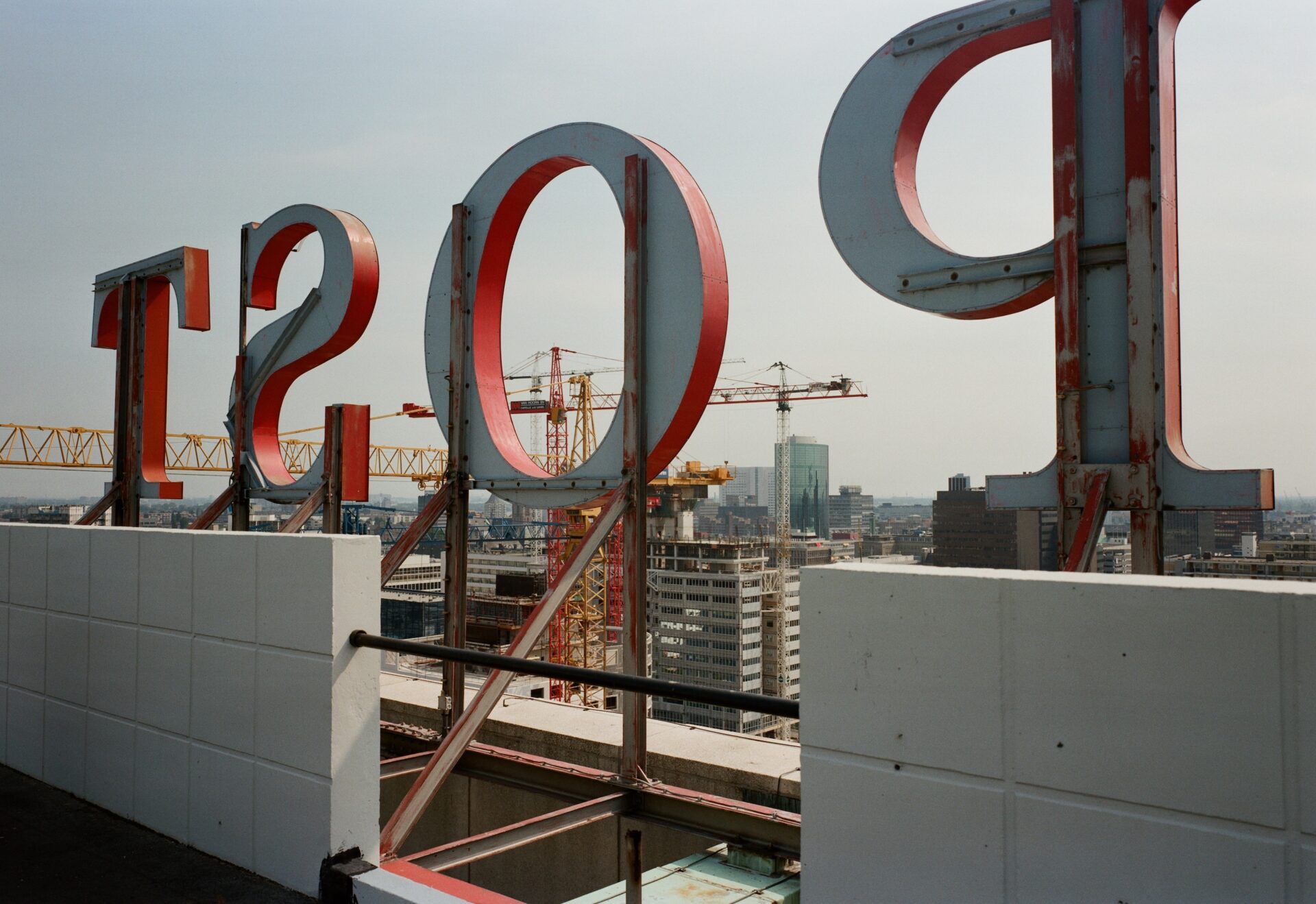
The selection focuses, among other things, on circularity and the use of existing materials and buildings. For example, Atelier van Berlo is investigating how Post’65 offices can be transformed into an alternative to demolition and new-build, while Superuse Studios is exploring the role of the ‘materials broker’ who connects reclaimed materials with construction projects.

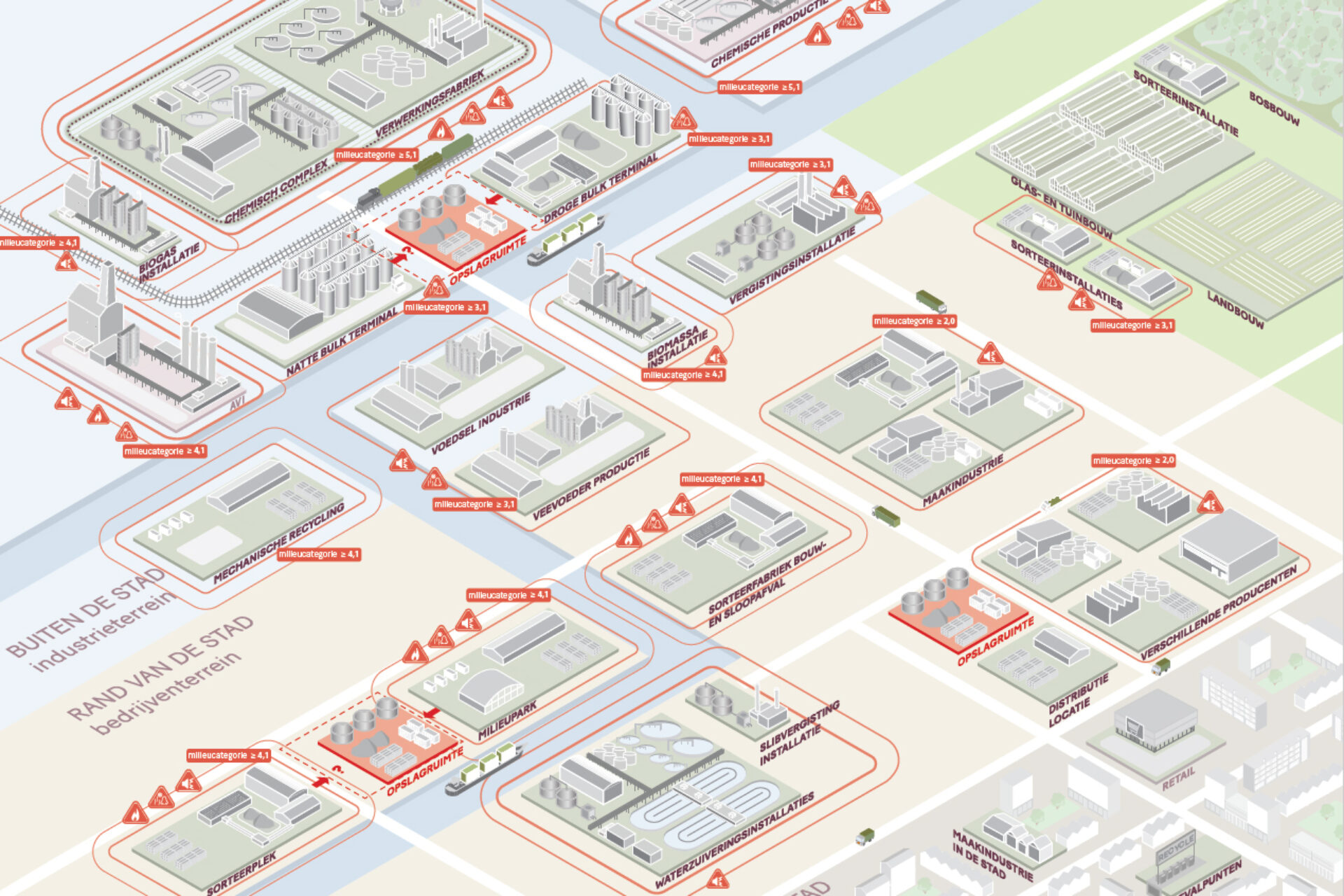
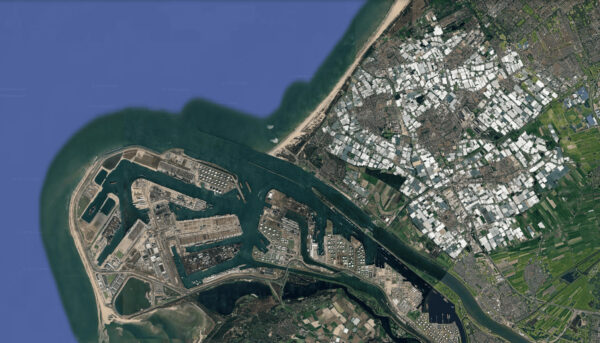
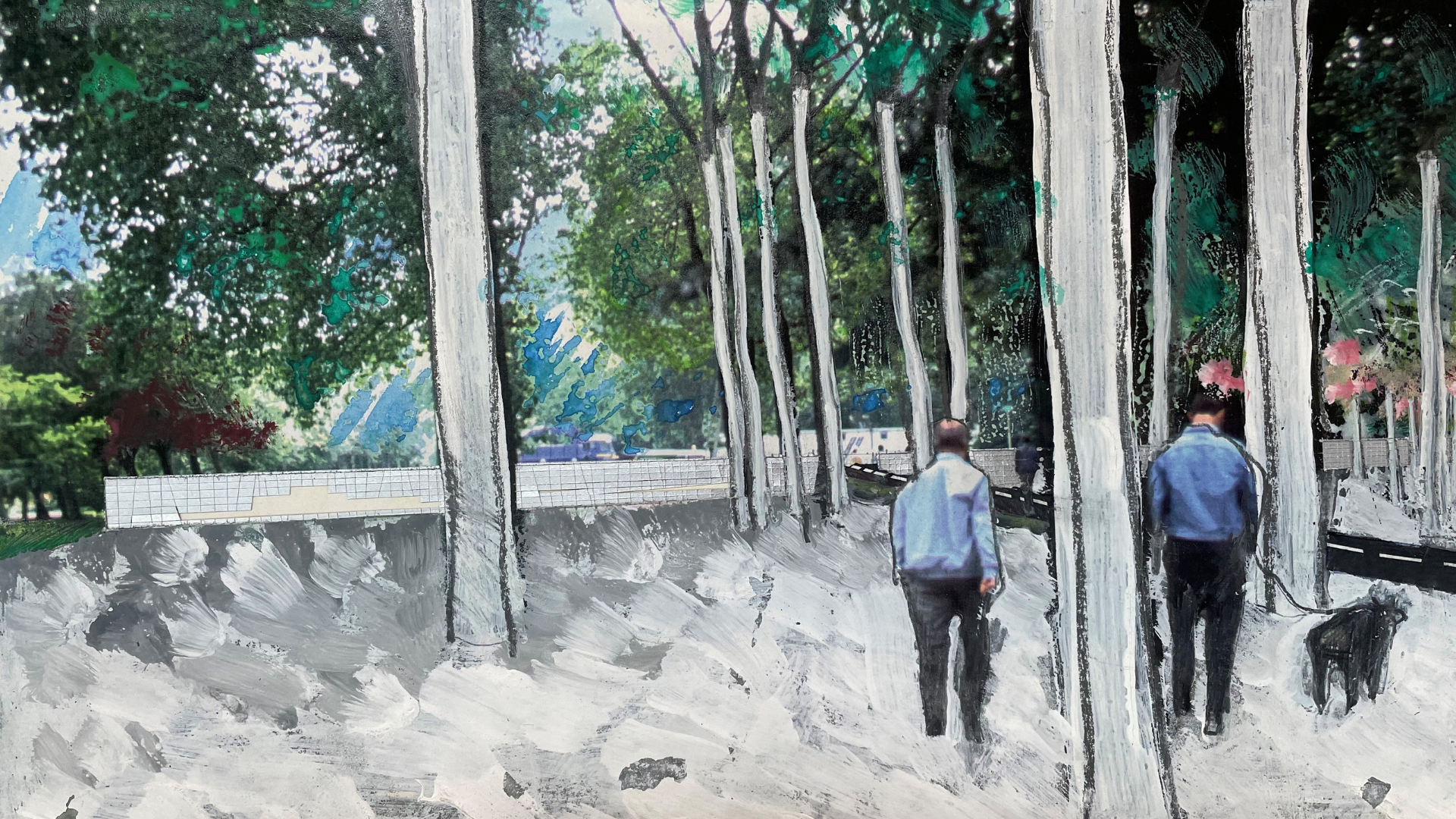
In addition, there is a focus on climate adaptation and spatial quality. Curaçao Doughnut Economy is investigating how a productive urban park on Curaçao can function as a climate-adaptive neighbourhood space. And Thick Present exposes the ecological and social downside of the industrialised horticultural region of Westland through participatory research with residents and migrant workers.

It is also noteworthy that several projects concentrate on knowledge-sharing and public debate, such as De Dépendance with a programme of lectures on current global issues, OASE with three new editions of their architecture magazine, and SCHUNCK* with an award for young architectural talent from the EUREGIO.

selection

Some notable projects include:

Sticking Stones – Studio Agne

Sticking Stones – Studio Agne

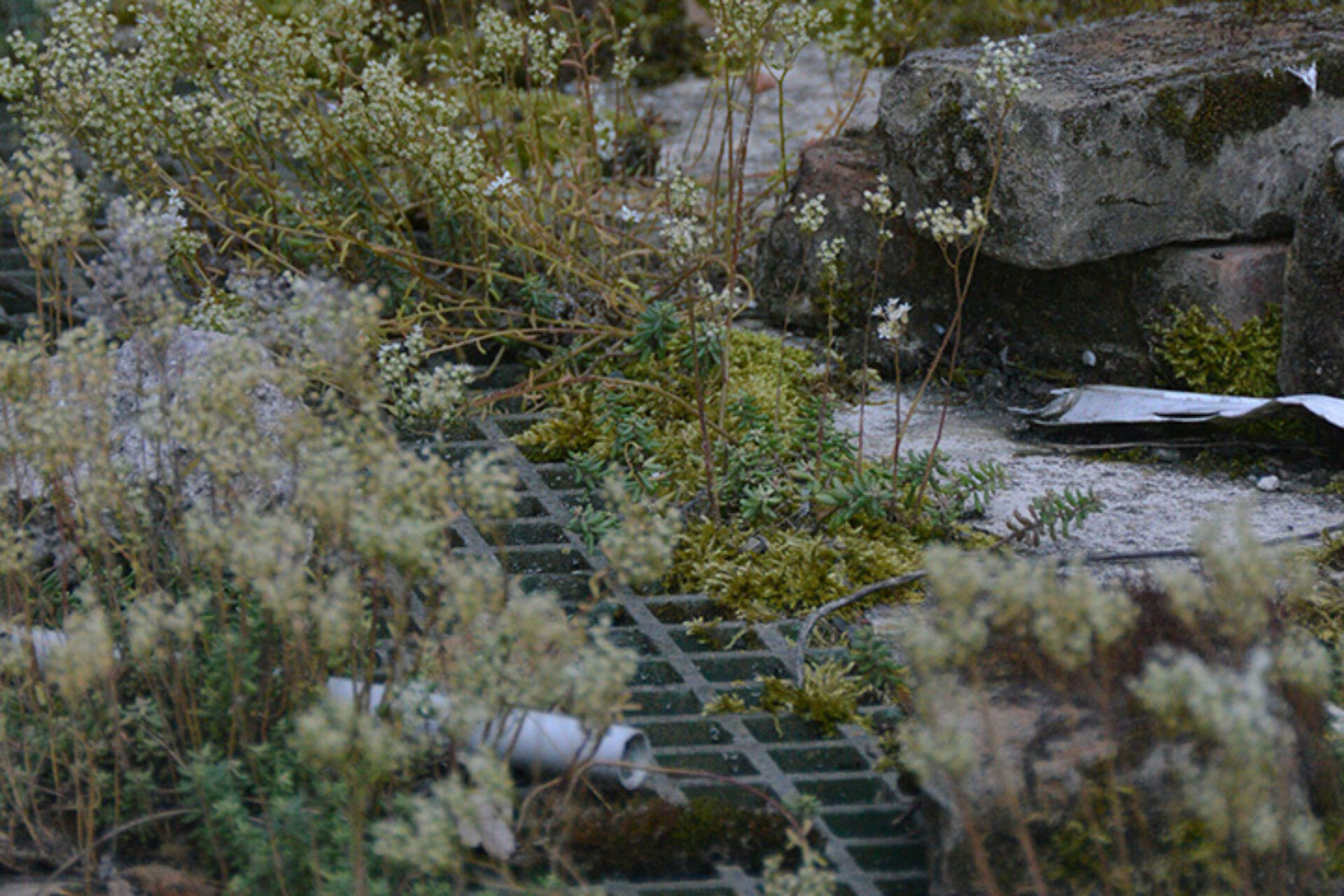
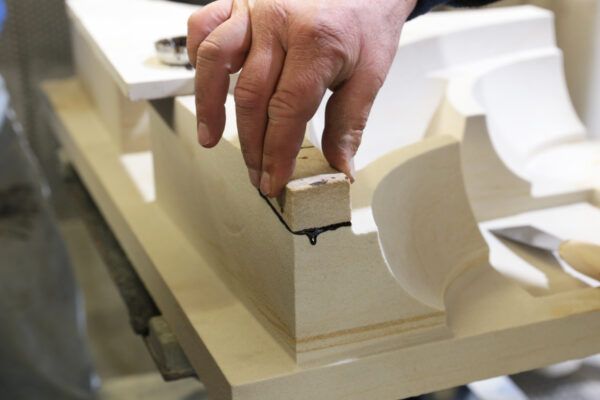
In the Sticking Stones project, Studio Agne investigates how historical adhesives based on wood tar can be revived. In the past, natural adhesives like these were used to repair and join stone. The project builds on ongoing research at TU Delft into medieval stone adhesives and explores how waste streams can serve as binders and fillers. These offer an alternative to the synthetic, fossil-based grouts and adhesives currently in common use. The research combines material analysis, laboratory testing and application studies on stone, brick and ceramics. The intended outcome is a series of proof-of-concept adhesive systems that enable restoration and reversibility in the built environment, with reduced reliance on primary raw materials and petrochemical building products.
^Zeespiegelstijging? Landspiegelstijging! – H+N+S B.V.

^Zeespiegelstijging? Landspiegelstijging! – H+N+S B.V.

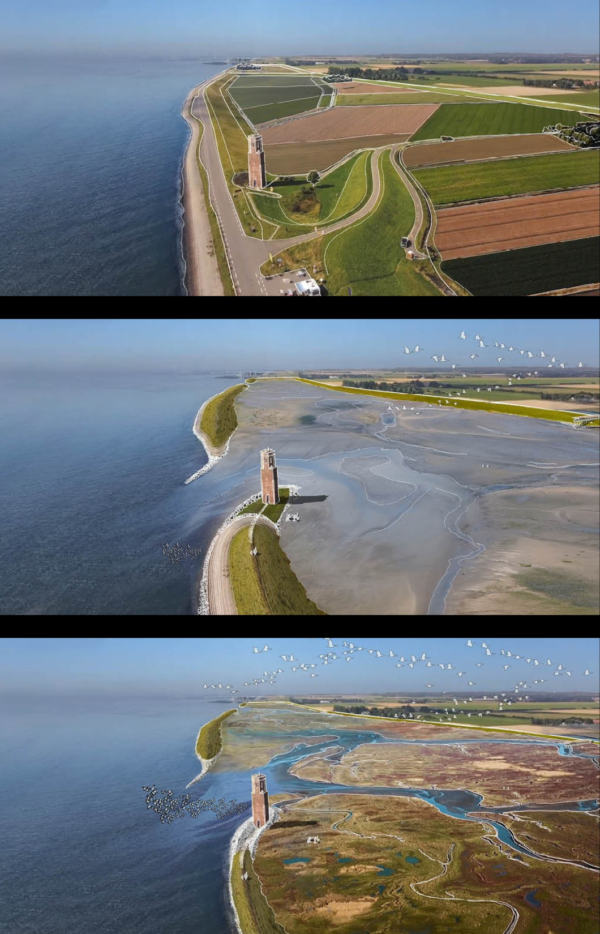
H+N+S presents ^Zeespiegelstijging? Landspiegelstijging!: a modular, travelling exhibition that explains how our coastal defences can keep pace with rising sea levels through a clever interplay of natural forces and technology. An animated film forms the central element and visually explains the mechanisms. The exhibition will be on display for the first time at the triennial IUA World Congress of the International Union of Architects in Barcelona (2026) and will then travel to the Netherlands. The project aims to promote a new perspective on water safety and to stimulate practical pilot projects.

Echoes of Black Soil – Spatial Codes

Echoes of Black Soil – Spatial Codes
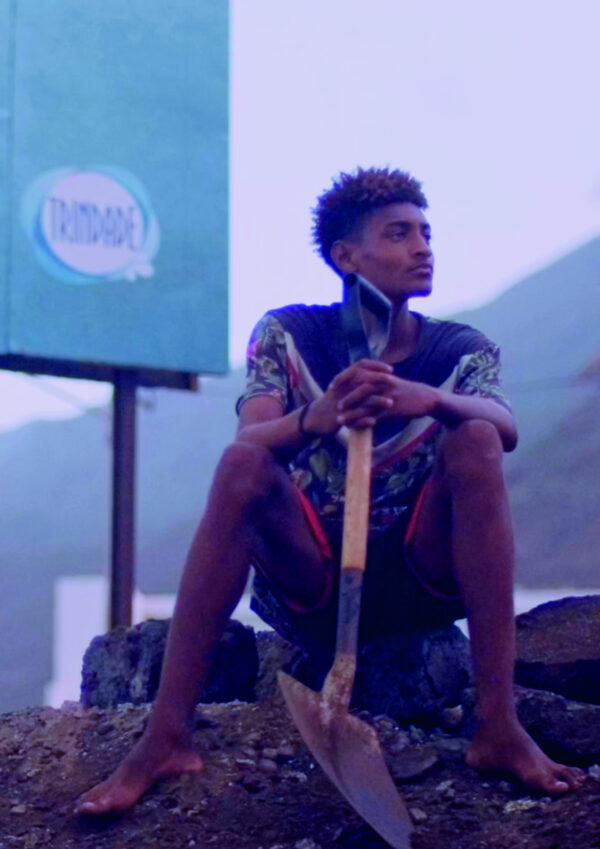
Zico Lopes, architect and owner of Spatial Codes, was born in Cape Verde and grew up in Rotterdam. As a result, he feels rooted between two worlds: craftsmanship and industrialisation. This personal experience forms the basis for the film Echoes of Black Soil, which explores how the traditional techniques of Cape Verdean craftspeople are under pressure from industrialisation, migration and globalisation. The film is a poetic journey through the lives of craftspeople who, with their hands, shape the identity of the community and the landscape on the islands of Santo Antão and São Vicente. Image and sound are used to capture the actions, rhythms and materials of a practice that is in danger of disappearing.

Take a look at all the selected projects in the awarded grants archive (Dutch only).

numbers

In this first round of 2026, applications were processed in order of submission. In the first phase, 57 summary applications were submitted that met the entry requirements. A predetermined maximum number of 50 applications were allowed to be supplemented with a detailed project plan, budget, schedule and communication plan.

After a check on the formal criteria and completeness, 46 applications were then submitted in phase 2 to the advisory committee for assessment. The budget available was € 385,000. As the total amount applied for by the positively assessed applications exceeded the available budget, prioritisation was carried out. Of the 25 positively assessed projects, 13 are receiving grants.

follow-up

The third and final round of the 2026 Architecture Grant Scheme is open from 13 August at 15:00 CEST until 19 August at 16:00 CEST.

Please note: unlike this first round, the order of submission is no longer important for the second and third rounds of 2026. After the period has closed, all applications will be ranked in random order by means of a draw, after which the intake will start. Read more in this news item.

Take a look at the subsidy page of the grant scheme to prepare effectively.

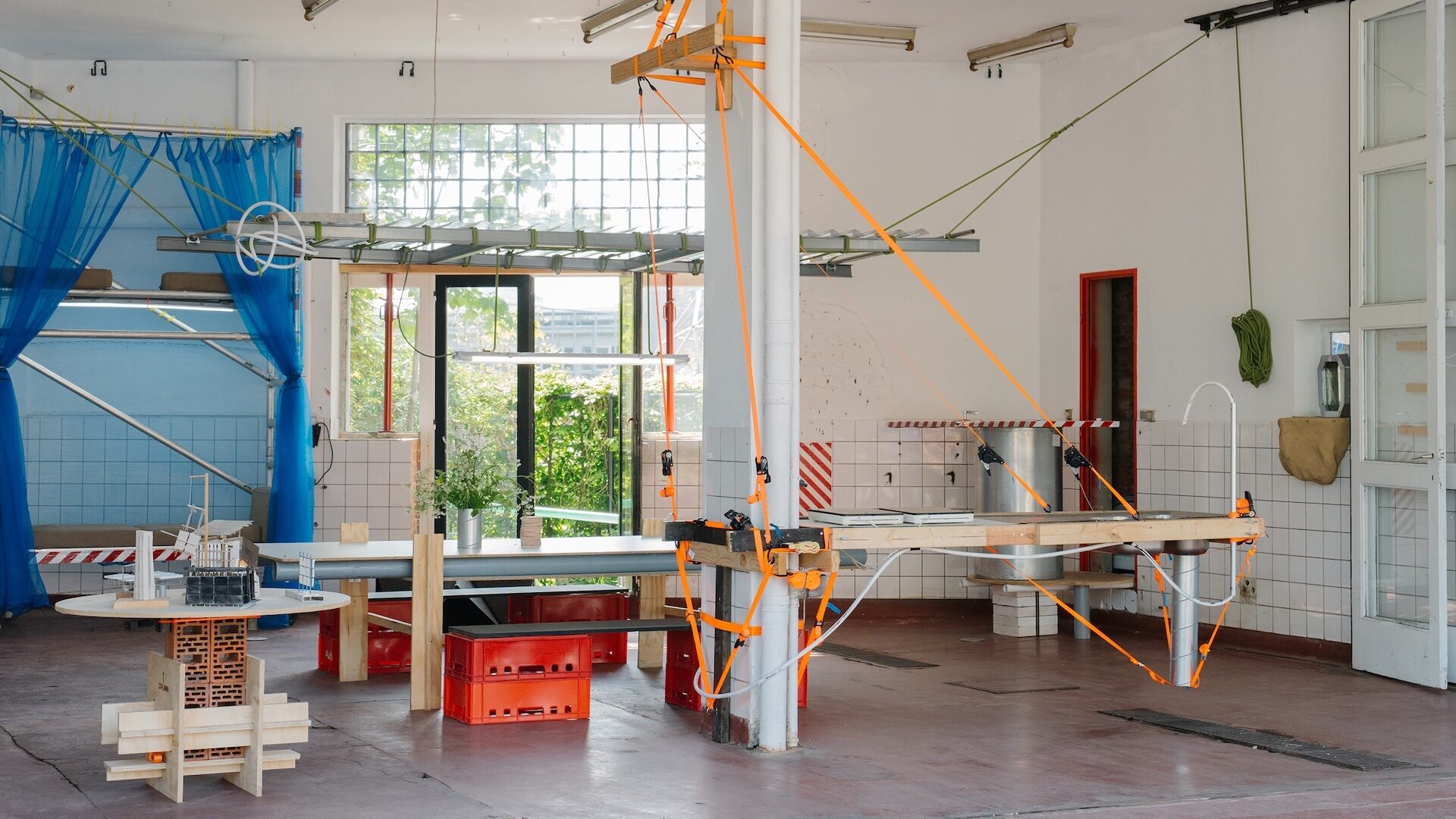
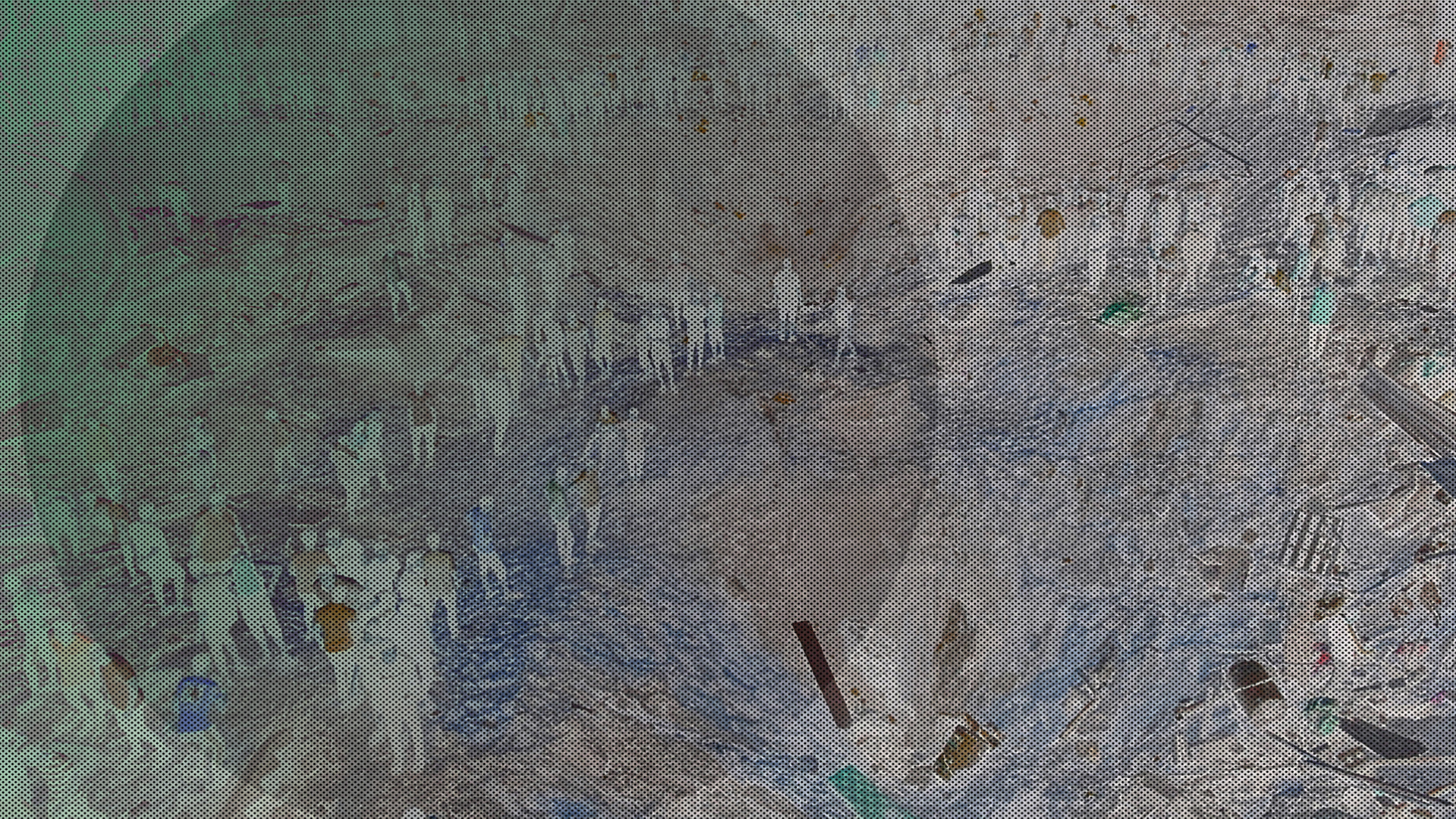
Header image: Metabolic Extraction – Thick Present