search

Kick-start Grant Scheme ­– 53 projects selected

In the second time period in 2025 of the Creative Industries Kick-start Grant Scheme, 53 projects were selected. Coordinator Carlijn Limburg reflects on the selection.

20 August 2025

general impression

Once again, there was great interest in this subsidy and the quality of the proposals submitted was high, with a richness of topics, themes, perspectives and forms.

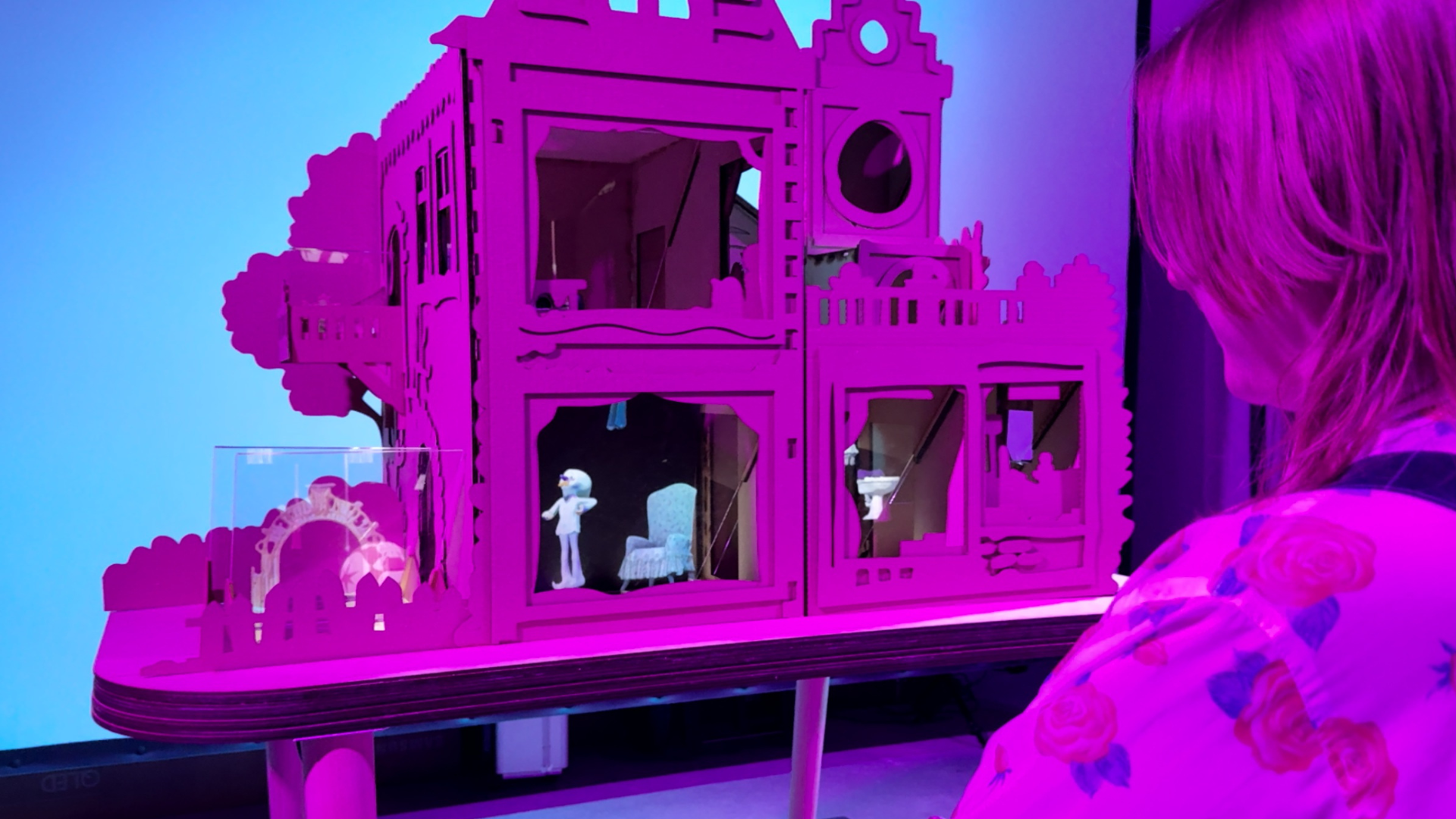
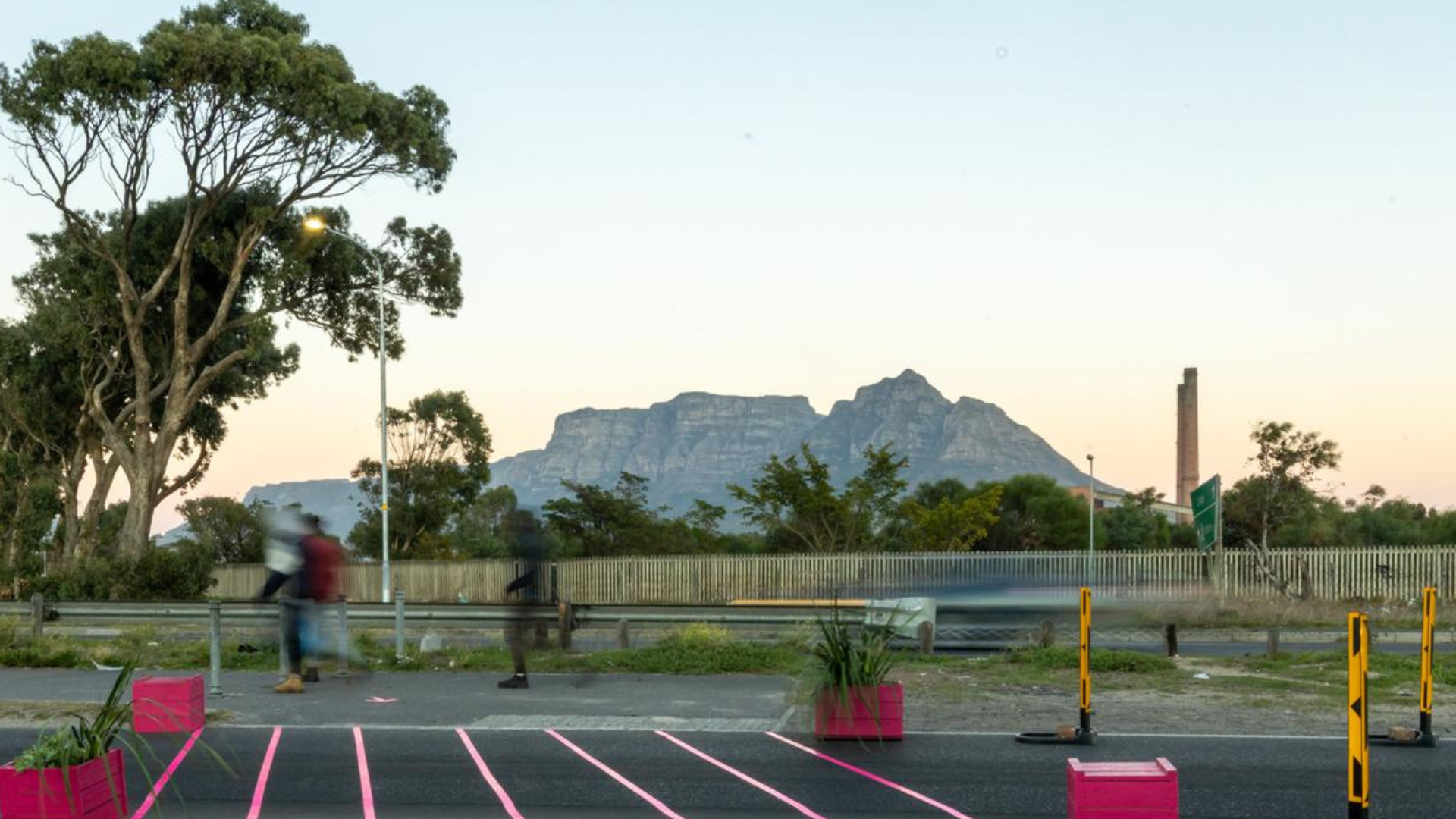
Notable is the strong focus on social and political themes within architecture, as well as urban-design issues and participation projects. Getting Real: Blueprints for a Tender Architecture by Kanis Cultural Projects, for example, explores the intersection of sex work, urban design and imagination.

In design, many applications were submitted for material studies, especially in the field of product design. In addition, proposals stand out for their innovative perspective on their own field, such as Cross-border Publishing Co-op by Limestone Books, which aims to reform publishing structures through transcontinental collaboration.

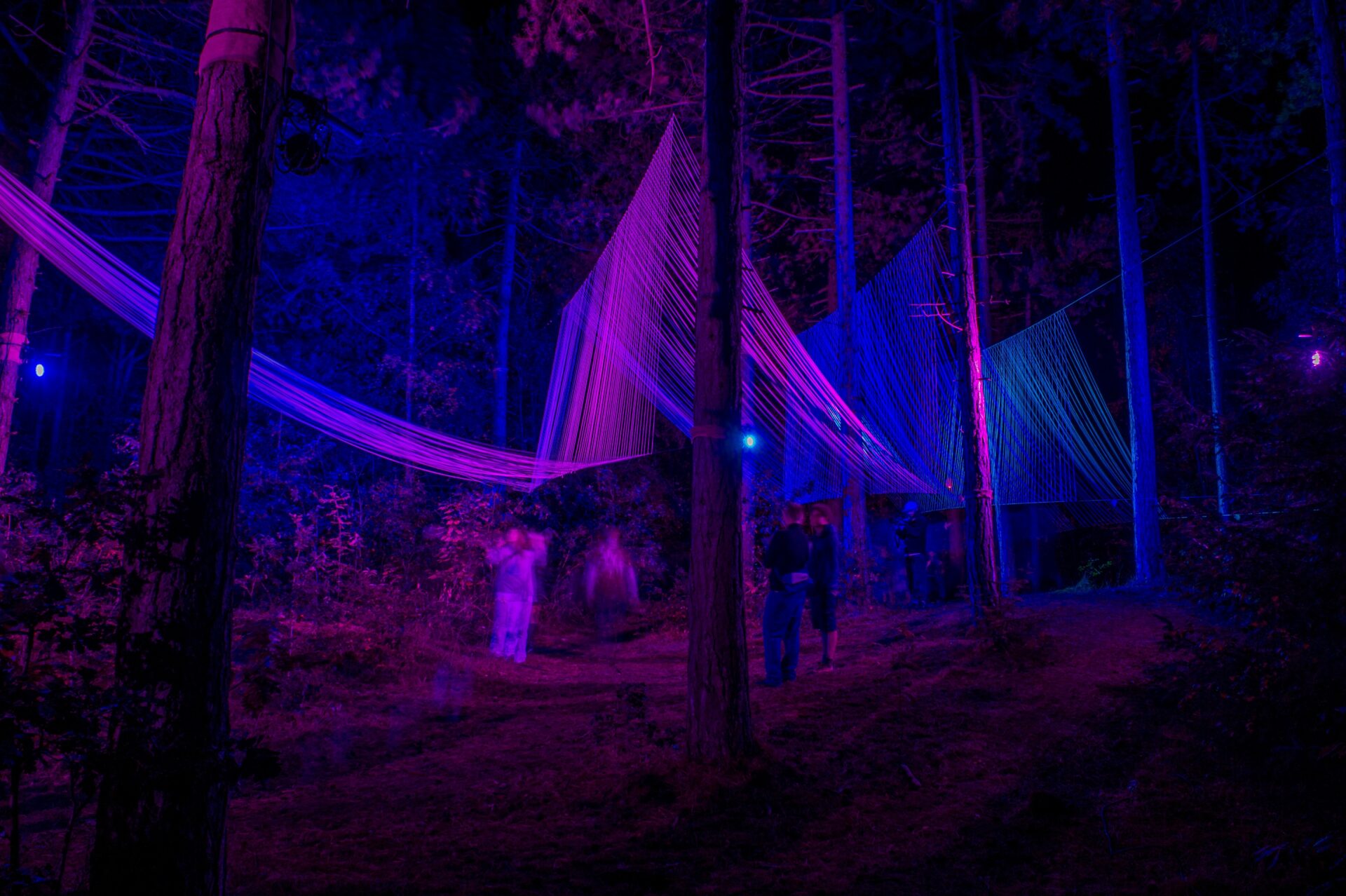
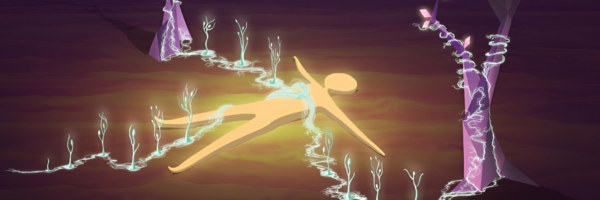
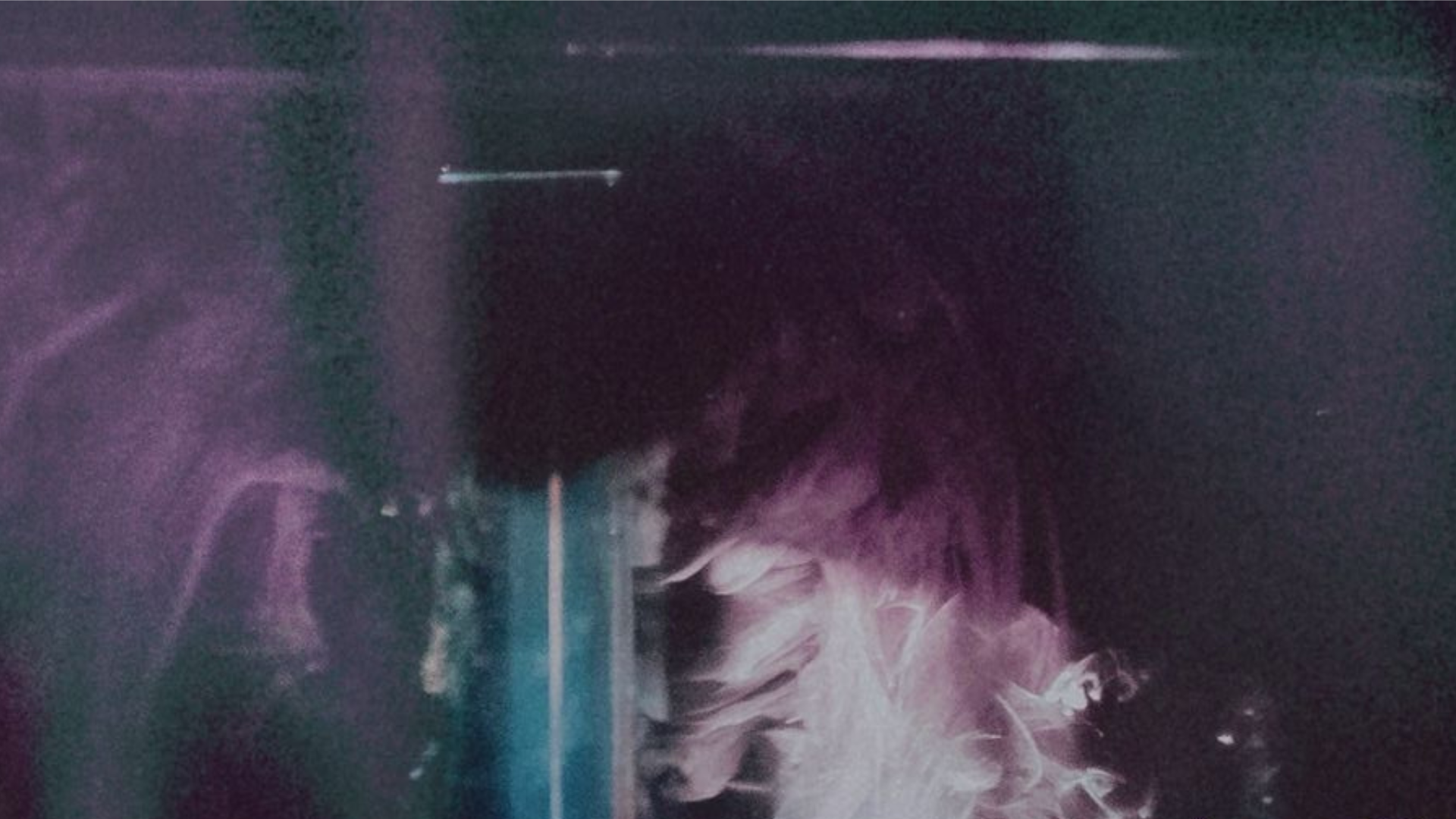
Within the field of digital culture, many applications focus on the same themes. Recurring topics include ecology, AI, algorithms and the relationship between humans and machines. For example, Anna Bogomolova’s project Odyssey is creating an immersive installation about wild plants and animals lost to ‘ecocide’ in Ukraine.

selection

Some other notable projects include:

Post-capitalist City Dictionary: Exploring Potential Change in Professional Language – Kate Unsworth Urbanism and Communications

Post-capitalist City Dictionary: Exploring Potential Change in Professional Language – Kate Unsworth Urbanism and Communications
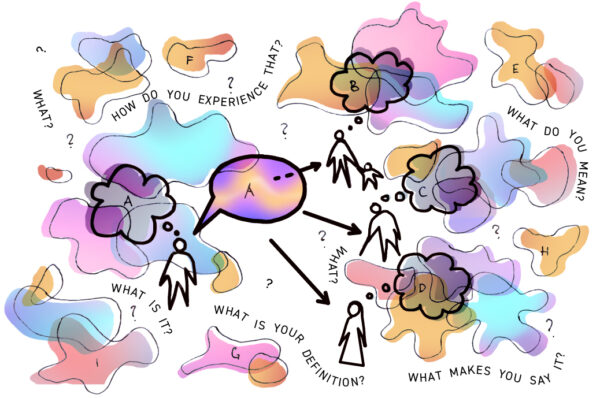
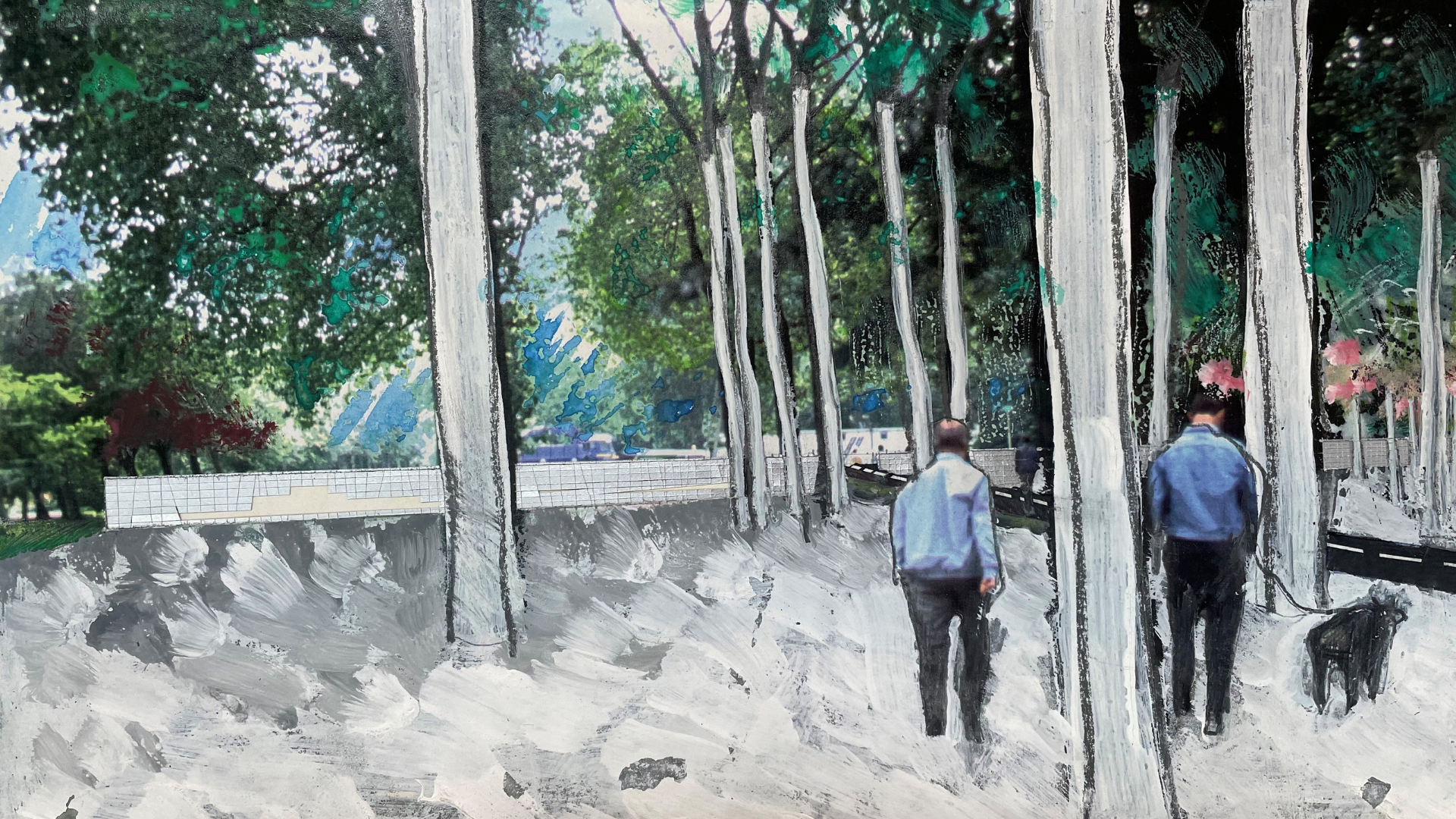
The preliminary research study Post-capitalist City Dictionary homes in on language within urban design, architecture and area development. In the study, Urbanistas Rotterdam (consisting of Kate Unsworth, Anna Kozera and Marina Samveljan) focuses on neoliberal assumptions in professional language. They are exploring how language in the design field subconsciously influences decisions and can create a gap between design and the experiences of residents. They also want to discover shortcomings in inclusiveness and propose alternatives for more equitable communication. This project is the starting point for a larger initiative. This first phase involves experimenting with methodology, building a network and testing a process for developing a practical tool (for instance, a dictionary).
Soft Connection – Alissa+Nienke

Soft Connection – Alissa+Nienke
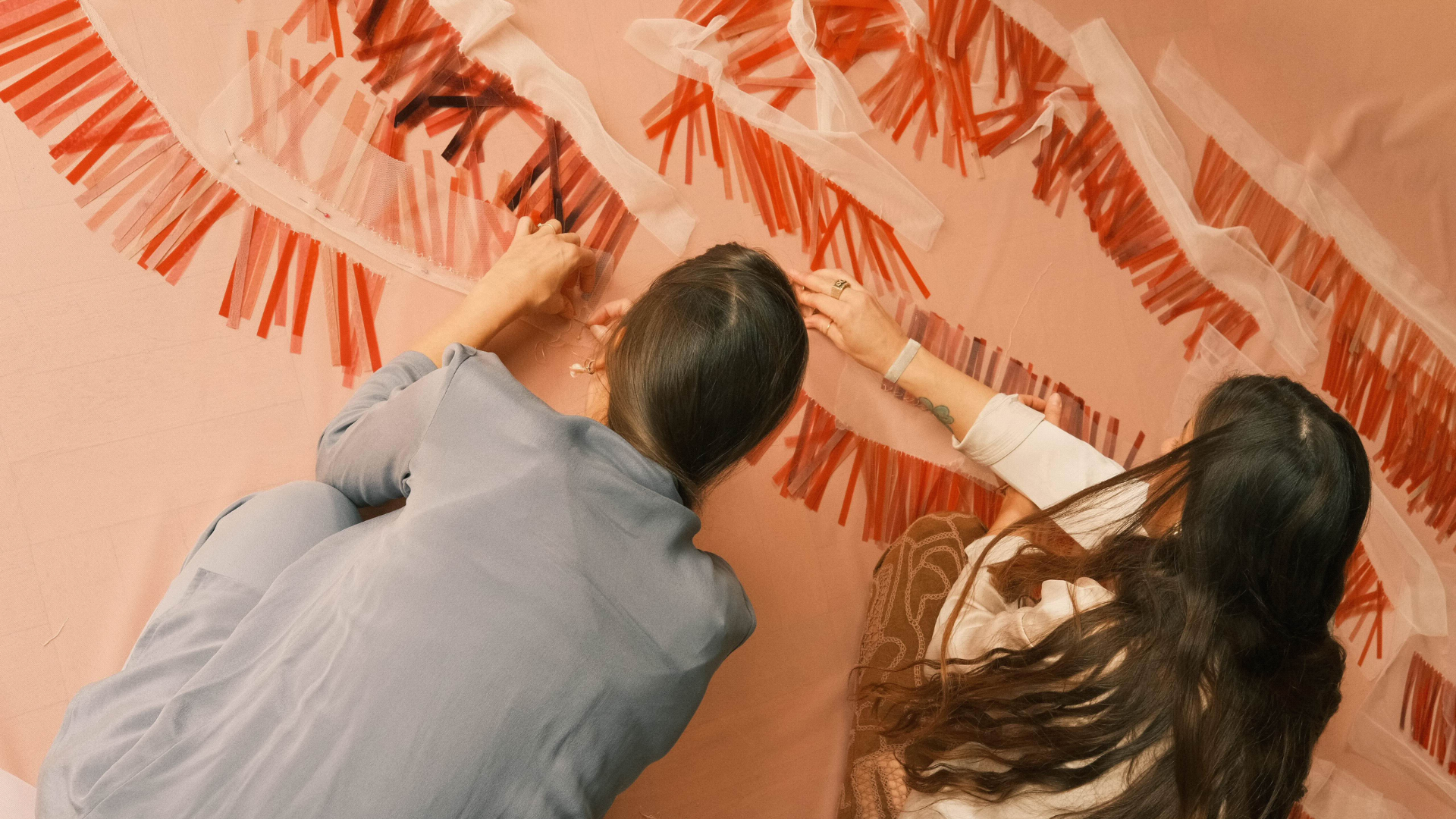
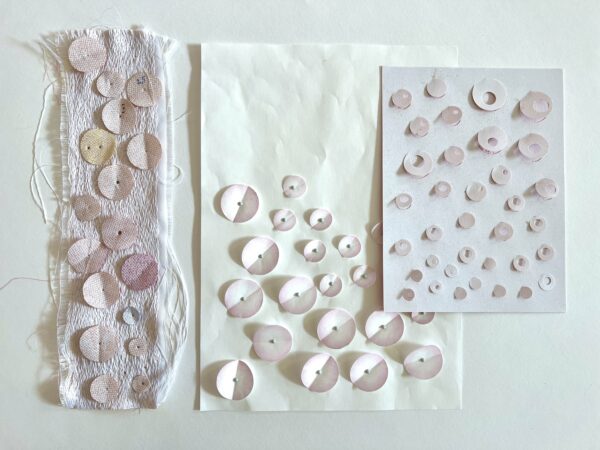
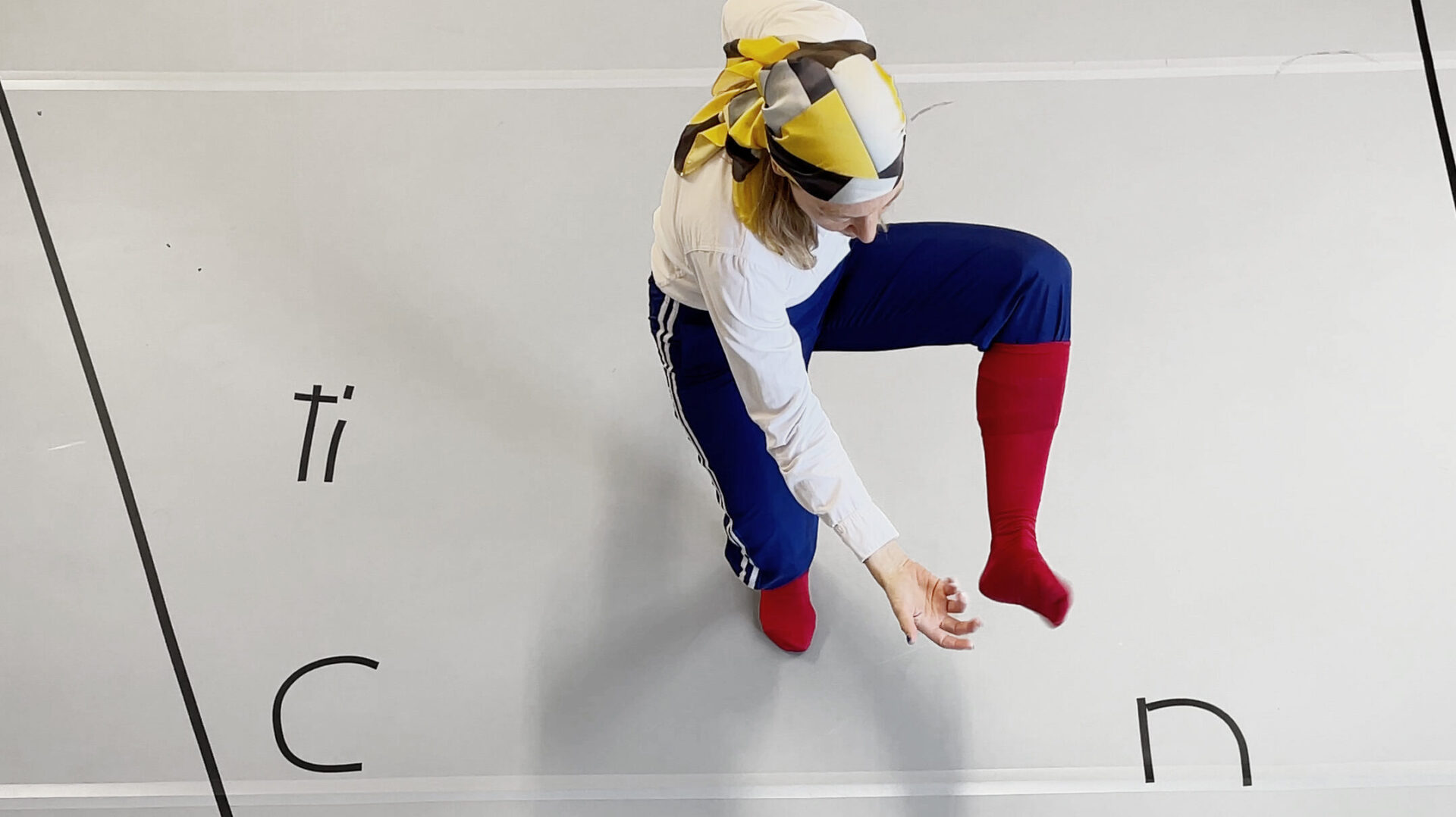
With the experiment Soft Connection, design studio Alissa+Nienke (Alissa van Asseldonk and Nienke Bongers) and textile company EE Exclusives explore how to create sensory structures from textiles using ‘spot welding’. During welding, material is bonded together without seams. The project focuses on ultrasonic technology (using high-frequency vibrations) to create 3D structures and patterns. The researchers want to find answers to questions such as: Which forms are suitable as welding joints? How can the technologies be applied as freely as possible? The aim is to create a collection of possibilities for ultrasonic processing, and a jacquard textile specially woven for the purpose.

Girl, You Ate – Studio Terrangular

Girl, You Ate – Studio Terrangular
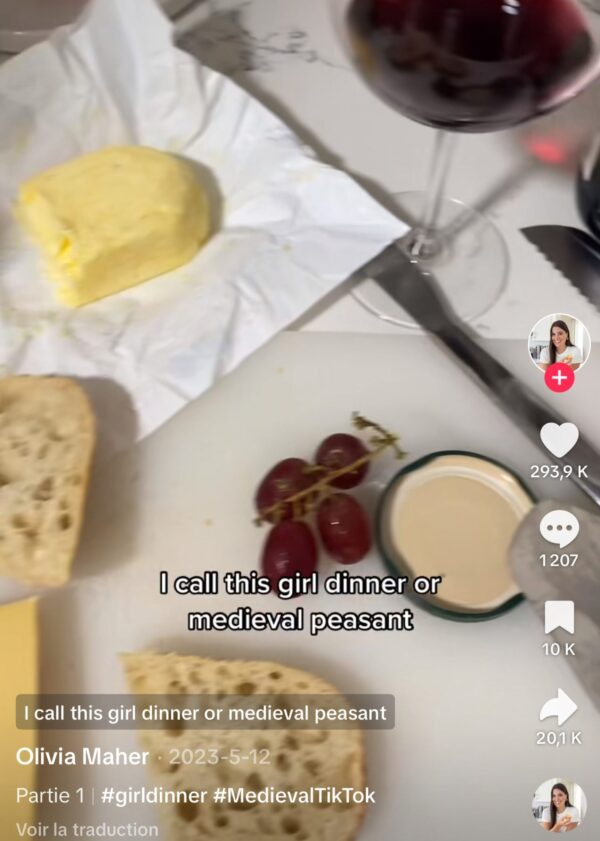
Girl, You Ate is a collaborative experiment aimed at studying a recent online trend: ‘girl dinner’. This trend, an easy snack meal, has gained popularity in recent years as a playful and recognisable experience on social media. The project explores how this digital phenomenon can affect social interactions and habits when translated into the physical world. Is it possible to organise a girl dinner offline, and what are the consequences? The aim is to develop a new methodology that combines food design with artistic and spatial interventions in order to better understand our changing society.

View the entire selection in the awarded grants archive.

numbers

In the second period, a total of 279 requests for subsidy were submitted, of which 148 fall within the discipline of design, 101 within digital culture and 30 within architecture. A maximum of 35 applications per field were admitted to the round (105 applications in total). For design and digital culture, this maximum was reached very quickly. After a check on the entry requirements and conditions, 98 applications were taken into consideration and submitted to the advisory committee. The available budget was € 525,000 (€ 175,000 for each field). Ultimately, 53 projects are receiving grants, involving a total amount of € 491,870. The remaining budget will be added to the next time period.

follow-up

Demand for the Creative Industries Kick-start Grant Scheme remains higher than anticipated when the grant scheme was developed. To best serve the field and avoid overloading the application environment, the grant scheme is split by discipline. The third period opens on three consecutive days:

Kick-start Grant Scheme – Architecture opens on 9 September 2025, at 15:00 CEST.
Kick-start Grant Scheme – Digital culture opens on 10 September 2025, at 15:00 CEST.
Kick-start Grant Scheme – Design opens on 11 September 2025, at 15:00 CEST.

For all disciplines, the time period closes at 16:00 CEST on 12 September. This year, we are evaluating the grant scheme and exploring possible adjustments for 2026. Read more in this news item.

Banner: Odyssey – Anna Bogomolova