search

In the first round of the Design Sector Internationalisation Grant Scheme in 2026, nine projects were selected. Team Development reflects on the round.

11 June 2026

The Design Sector Internationalisation Grant Scheme supports projects by professional makers, observers, design agencies, cultural institutions or organisations, which are realised in collaboration with one or more international partners and whose activities take place mainly abroad. Projects in the fields of design, architecture, digital culture and crossovers are eligible for this grant scheme.

general impression

It is striking that a number of projects with a social perspective have been selected in this round. For example, several projects focus on creating space for stories that have not been heard before. The Living in Limbo project, for instance, demonstrates how graphic design and printing techniques can make migration stories enduring and tangible, while Drawing Stories explores how drawings made by children from conflict zones can be translated into visual storytelling for a young audience.

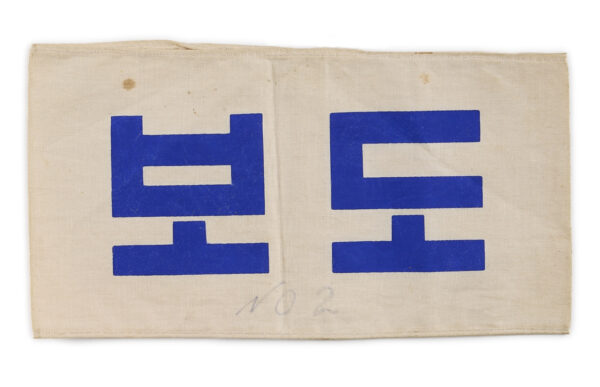
In addition, there are various projects that focus on reclaiming and using public space on an equal footing. In Finding Fihankra, writer and researcher Emma-Lee Amponsah and architect Courage Dzidula Kpodo investigate, in the Ghanaian village of Kubease, how diaspora experiences influence the way people relate to land, space and community. In Seoul Archives, MacGuffin explores how protest design can reach new generations in Asia and Europe, based on an exploration of South Korean protest culture.

The committee also noted that many applications work on a toolkit and was sometimes critical of the lack of awareness in many of these applications regarding the method’s applicability. Furthermore, the approach to sustainability was insufficiently developed in multiple projects. The committee expects applicants addressing such topics to provide a well-considered rationale specific to the project, rather than merely listing the terms in an application.

selection

A few notable projects are:

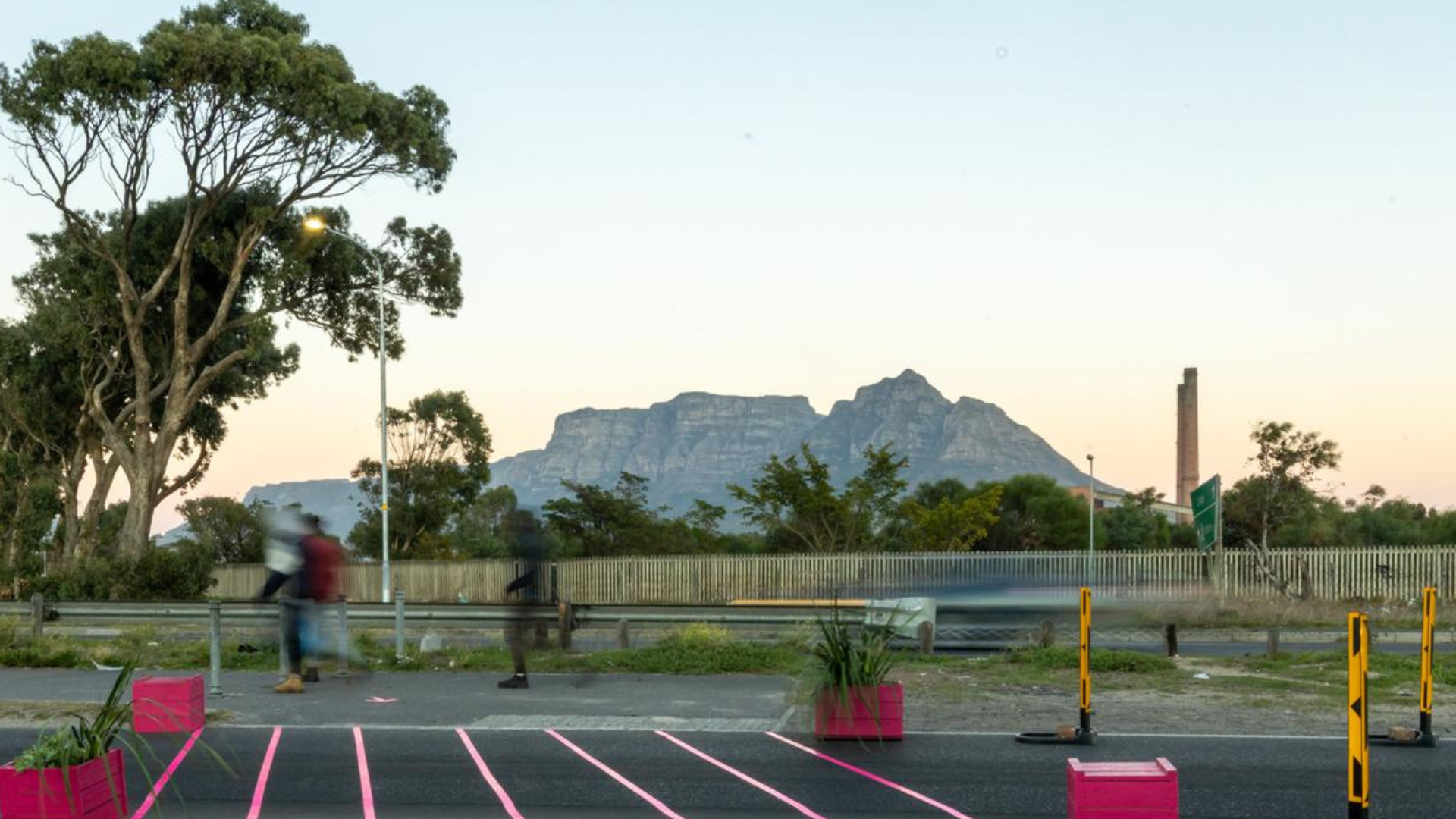
Post Flood Community – Lili Carr

Post Flood Community – Lili Carr
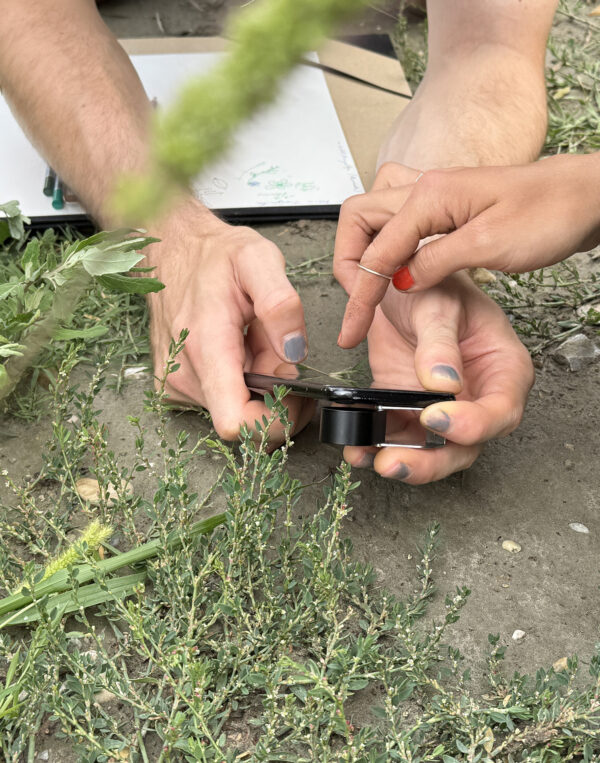
Cities are ill-prepared for the consequences of climate change. Spatial designer Lili Carr, the Post Flood Community collective and the Danube4all consortium are therefore investigating how urban land management following floods can be approached differently. The project focuses on Vienna after the floods of 2024 and explores how citizens and experts can work together to restore the ecological relationship between river and city. The project runs from June 2026 to June 2027 and will be launched at the New European Bauhaus Fair in Brussels. This will be followed by five public events and workshops in Vienna. The project will result in a physical landscape intervention, two exhibitions, a digital platform and a methodology for interdisciplinary material management following floods.

Parallel Processing – distant.gallery

Parallel Processing – distant.gallery
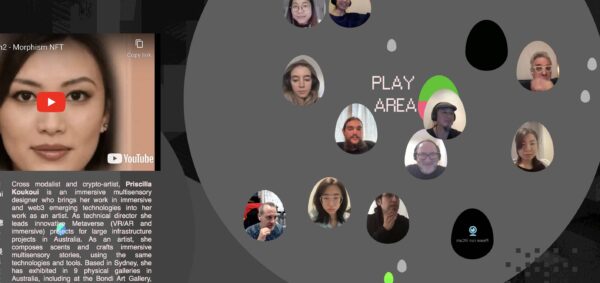
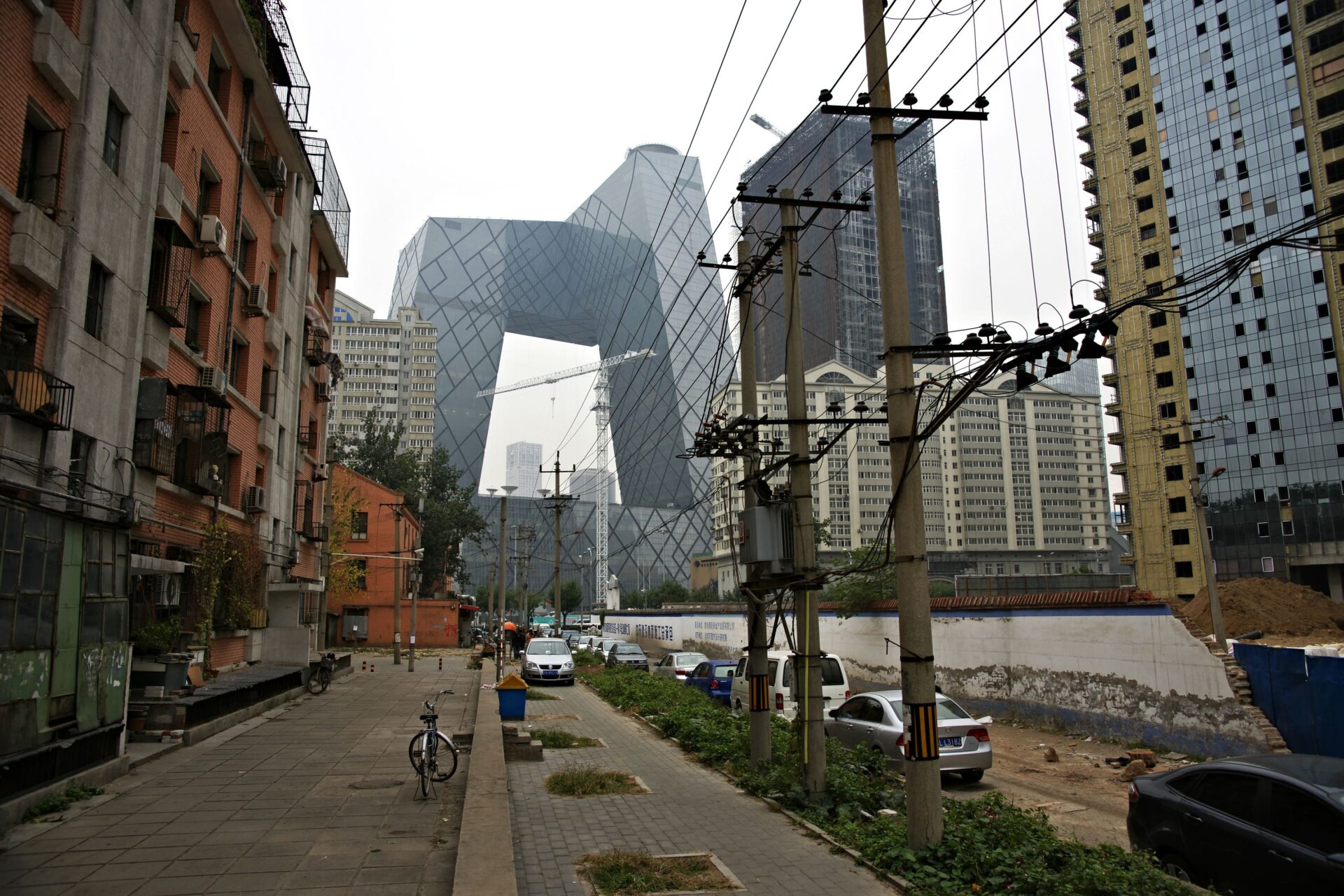
Parallel Processing is an international research and festival programme by distant.gallery and the Chronus Art Center in Shanghai. The project explores non-Western artistic perspectives on artificial intelligence using Chinese AI models such as DeepSeek and Doubao. These models generate output that differs from Western models, because they have been trained on other data. In this way, the project exposes cultural assumptions in tools that are often mistakenly regarded as universal. In the autumn of 2026, a two-week working period will commence in Shanghai, involving experiments, dialogue with local makers, and the selection of three artists who will be commissioned to create work that relates to the project’s theme. The knowledge gained will be documented in a permanent online archive.

Geographies of Extraction – on the Entanglements of Copper - Galerie de Jaloezie

Geographies of Extraction on the Entanglements of Copper - Galerie de Jaloezie
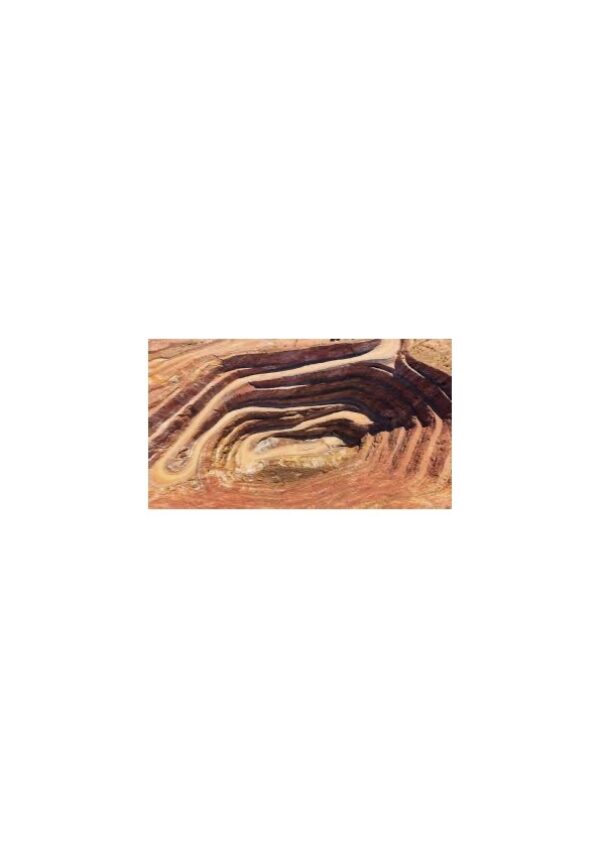
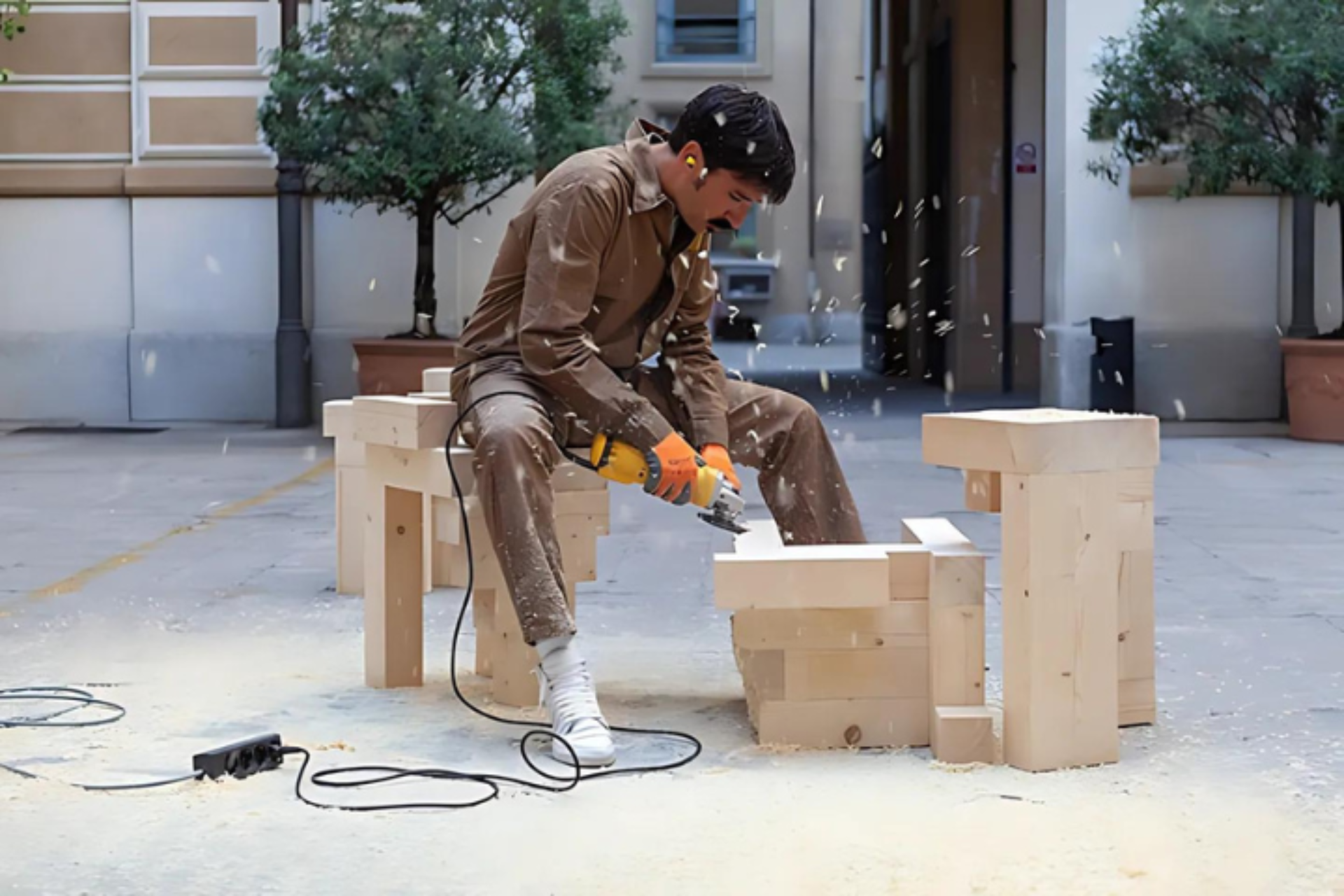
Geographies of Extraction by Galerie de Jaloezie is a participatory artistic research project that traces the supply chain of copper: from the mining areas in Mexico, via overseas routes, to the renewable-energy infrastructure in the Netherlands. Through participatory sessions, interviews, ethnographic research, subjective cartography and camera-based research, the project maps the experiences of people and non-humans involved in the copper trade between Mexico and the Netherlands. The research results in a video installation, essay and presentation, to be seen in Mexico and the Netherlands.

De volgende projecten behoren ook tot de selectie:

  • Living in Limbo Photobook – Mutual Office: By transforming a 100-year-old Dutch-Chinese family archive into a photobook, Vera Yijun Zhou and David Zee demonstrate how graphic design and printing techniques can be used to make migration stories and family histories tangible.
  • Drawing Stories – DPPLR: A 12-month design-research project that explores how the drawings of children from conflict zones can be translated into visual storytelling for a young audience.
  • Finding Fihankra – Africadelic: Writer and researcher Emma-Lee Amponsah and architect Courage Dzidula Kpodo investigate, in the Ghanaian village of Kubease, how diaspora experiences influence the way people relate to land, space and community.
  • Seoul Archives – MacGuffin: The project investigates how South Korean protest design can reach new generations in Asia and Europe. It is prompted by the global rise in resistance at a time of democratic decline.
  • Groundworks – Najla El Zein BV: Material research where Lebanese soil is transformed into a series of cement tiles. By incorporating the soil into the tile mixture, its geological qualities remain visible.

Check out all supported projects in the awarded grants archive (in Dutch).

numbers

In the first round of this grant scheme in 2026, 57 applications were submitted. Since this year, a maximum of forty applications can be processed. The maximum number of applications for this grant scheme was exceeded for the first time, resulting in the use of a draw procedure. Based on the draw and the formal requirements and conditions, forty applications were taken into consideration.

Fourteen applications received a positive recommendation, of which nine were awarded grants. The budget available for this round was € 300,000. As the total amount applied for by the positively assessed applications exceeded the available budget, prioritisation was carried out.

follow-up

The second and final grant period of this year for this grant scheme is open again from 25 August at 15:00 CEST until 22 September 2026 at 16:00 CEST. A maximum of forty applications can be taken into consideration. Within this, there is scope for a maximum of ten follow-up applications and a maximum of ten revised applications.

After the period has closed, all applications will be ranked in random order by means of a draw, after which the intake will start. The time of submission therefore does not matter. Take a look at the subsidy page of the grant scheme to make sure you are well-prepared.

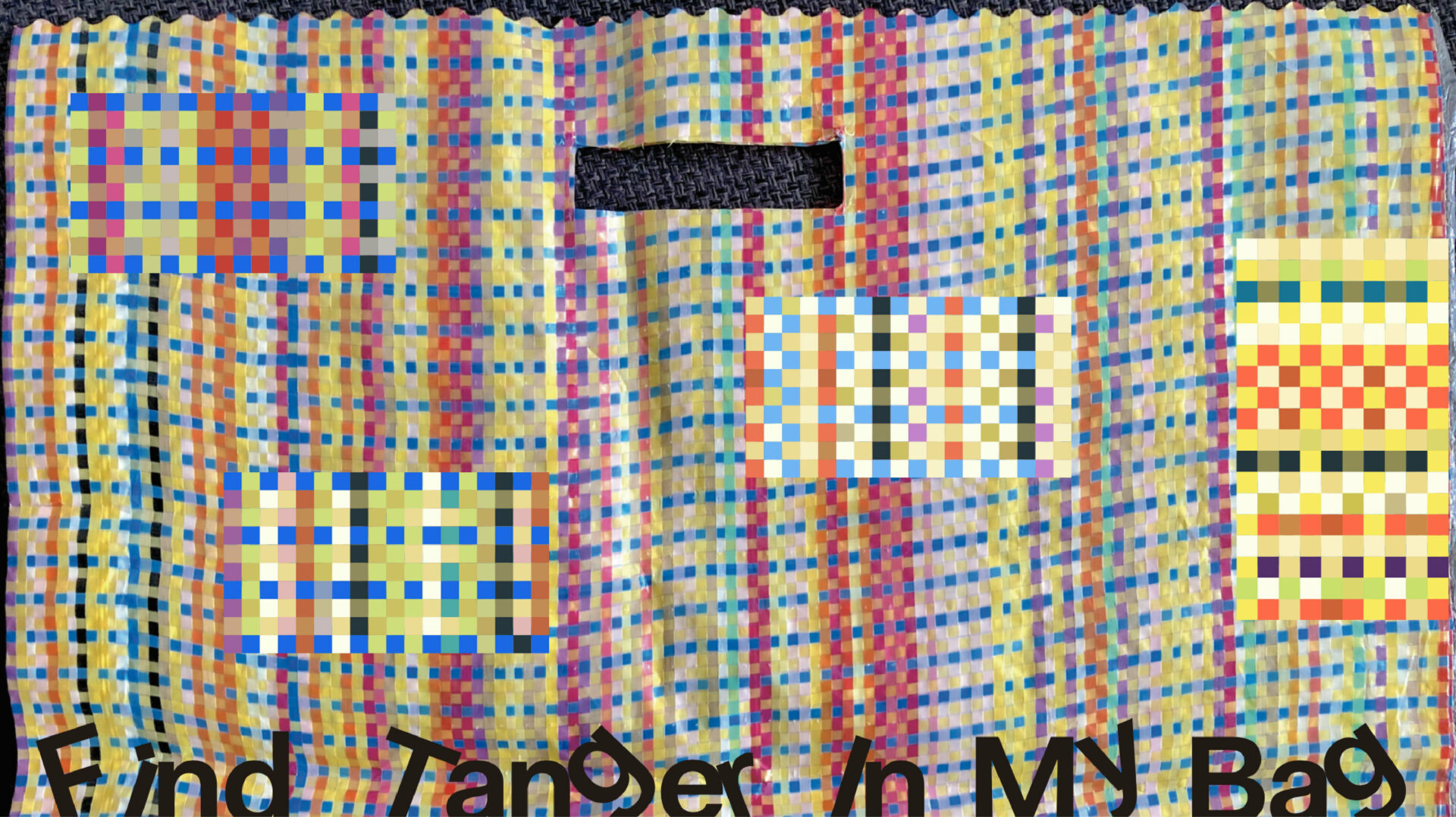
Image at the top: Seoul Archives — MacGuffin