search

Architecture Kick-start Grant Scheme – 14 projects selected

In the first round of the Architecture Kick-start Grant Scheme in 2026, fourteen projects have been selected. Team Architecture reflects on the round.

11 June 2026

The Architecture Kick-start Grant Scheme is intended for small-scale projects, experiments and preliminary research in the field of architecture.

general impression

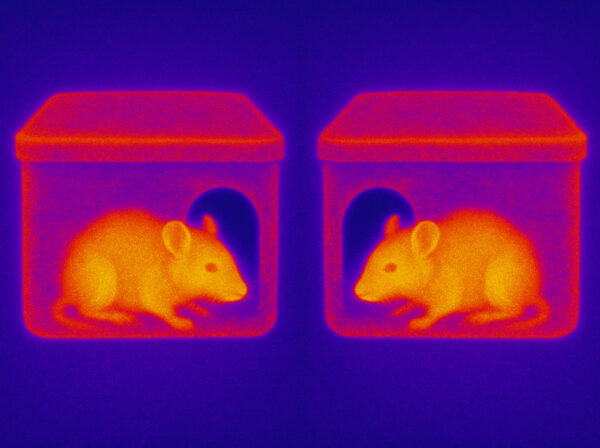
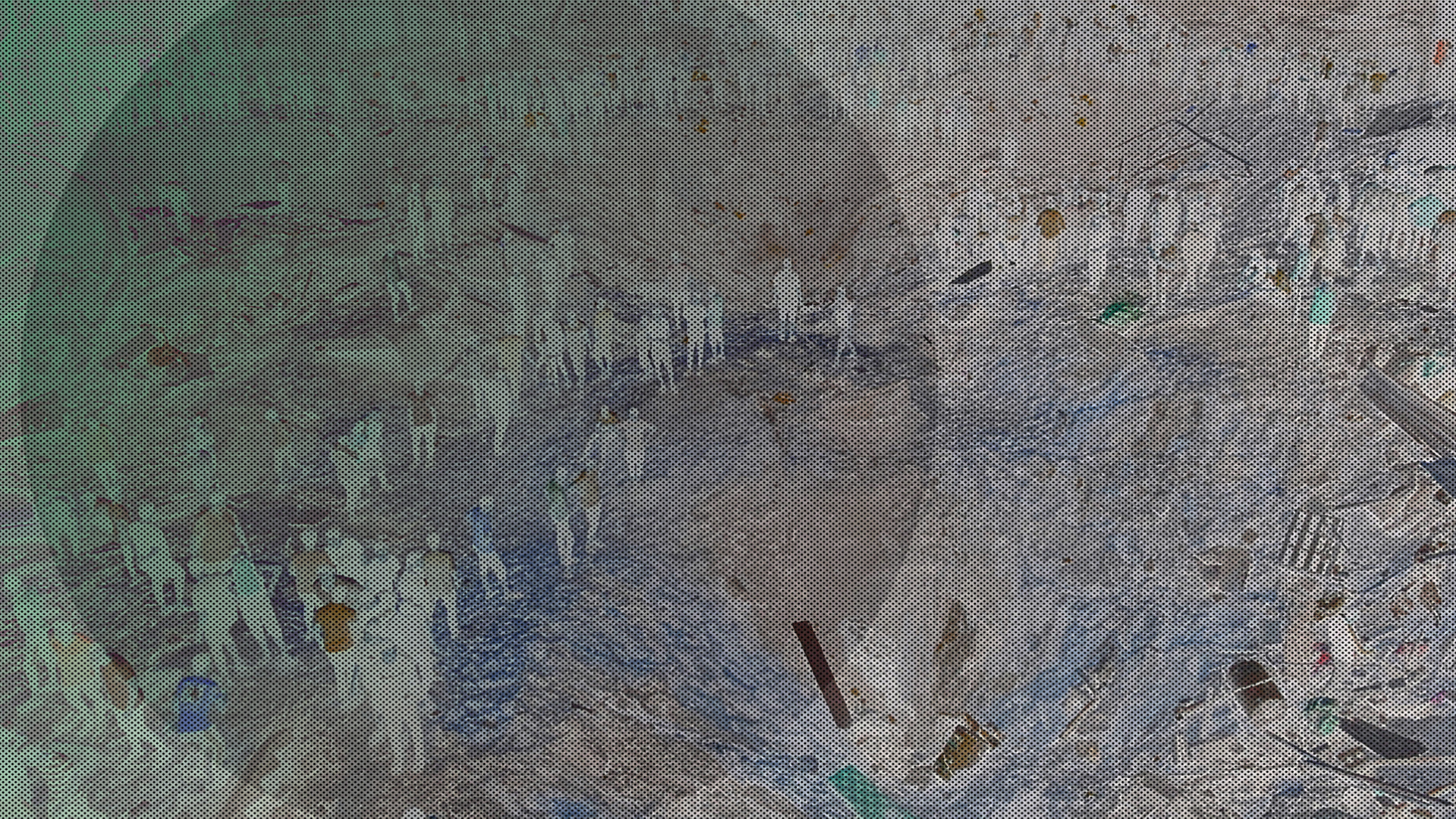
Various themes can be identified among the submitted proposals, but sustainability stands out. For example, there are several projects that explore the relationships between people, animals and the landscape. In Ratscapes - Reimagining urban coexistence with the undesirable, Miguel Parrrra investigates how decisions regarding the arrangement of public space in Amsterdam can improve the relationship between people and rats. In Luister, het landschap, Rinke Vreeke is working on an immersive experience on the island of Terschelling where ‘spatial audio’ plays a key role in bringing together different perspectives on a landscape.

There is also a focus on sustainable building. Studio Anne Dessing, for example, is researching how to make the exhibition design process more sustainable, and Han Li is documenting what communities in Denmark and China have learned about building with seagrass, so that knowledge of this sustainable building material is not lost.

In addition, several projects highlight under-represented political and economic perspectives within a specific area. For instance, Darya Akhrameika explores in Invisible Governance. Architecture and Spatial Power in Antarctica how political interests are reflected in the infrastructure surrounding scientific bases in Antarctica, an area where there are officially no territorial domains. OMERO aims to reveal how the housing of migrant workers is used as a tool within a network of logistics, employment agencies and international labour regulations that extends beyond national borders.

selection

A few notable projects are:

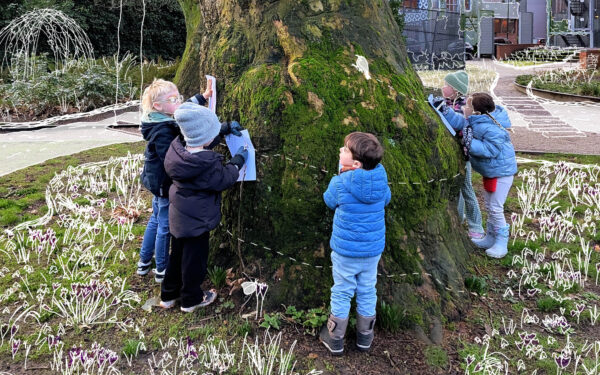
Natuurverbondenheid in de stad: een manifest van de kinderen van Delft – Childwise Design

Natuurverbondenheid in de stad: een manifest van de kinderen van Delft – Childwise Design

In the project Natuurverbondenheid in de stad: een manifest van de kinderen van Delft, Simone Op den Kamp (Childwise Design) challenges the current design of the living environment and redefines the neighbourhood as an integrated nature network that encourages movement, discovery and wonder. To do this, studio Childwise Design uses a methodology developed in-house to translate the intuitive experiences of children in 24 Delft neighbourhoods into nature-inclusive adaptations for the neighbourhood. Op den Kamp presents the results via a visual manifesto and a travelling exhibition showcasing possibilities for a living environment centred on nature, aimed at policymakers and designers. In this way, the project aims to bridge the gap between abstract ecological policy objectives and the everyday experience of nature.

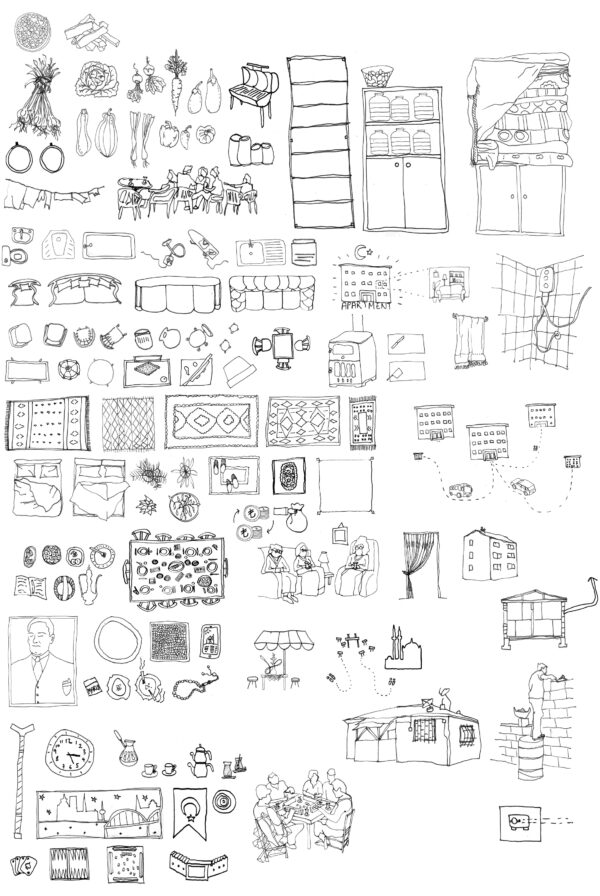
Circles of Care: Architecture of the Altın Günü – Leyla Hepsaydir

Circles of Care: Architecture of the Altın Günü – Leyla Hepsaydir

In Circles of Care: Architecture of the Altın Günü, Leyla Hepsaydir applies participatory research methods to explore women-led domestic ‘third places’ in Rotterdam. These are physical spaces where people meet that are explicitly neither the home nor the workplace. Through community-oriented storytelling and collective creation, Hepsaydir investigates how care, reciprocity and informal economies shape spatial use outside the realm of formal architecture. Altın Günü is a recurring domestic gathering within Turkish women’s communities and serves as the first case study within the project. Over a period of six months, Hepsaydir participates in Altın Günü gatherings to collect stories through conversations with the other participants, to draw these together, and subsequently to present and discuss them. Over time, a test archive is generated that consists of visual, material and audio research findings, which serve as the basis for an exhibition emphasising the importance of feminist and community-oriented spatial knowledge.

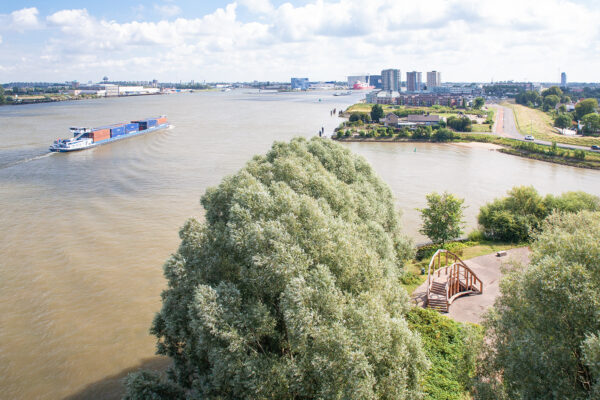
Zoönomische gebiedsontwikkeling – Stichting Buitenplaats Brienenoord

Zoönomische gebiedsontwikkeling – Stichting Buitenplaats Brienenoord

In this preliminary study, the Stichting Buitenplaats Brienenoord explores the potential value and significance of zoonomic area development, which entails integrating the interests of plants, animals and ecosystems into decision-making. For this purpose, it is conducting research into the future design of urban areas in the Netherlands and, more specifically, the development of Getijdenpark Feyenoord XL and the new Waterkant district (the largest urban development in Rotterdam in the coming years). In this preliminary study, it brings together literature research, field visits and discussions in a two-day symposium organised by the foundation in the area in question. Through knowledge development and exchange, it is building a network of stakeholders and interested parties who wish to explore the future from this perspective.

View all supported projects in the awarded grants archive (in Dutch).

numbers

In the first subsidy period of this grant scheme in 2026, 27 applications were submitted. The threshold of 35 applications was not exceeded, meaning that a draw was not required. Following a check of conditions and eligibility criteria, 26 applications were processed, including two revised applications. Of these, fourteen were awarded a grant, bringing the percentage of applications receiving grants to 54%.

A budget of € 167,000 was available for this round. This allowed all the positively assessed applications to receive grants. The round resulted in an underspend of € 35,743. This amount will be added to the third and final round of this year’s Architecture Grant Scheme (26AC).

follow-up

The Architecture Kick-start Grant Scheme is open again from 30 September at 15:00 CEST until 7 October 2026 at 16:00 CEST. Take a look at the subsidy page of the grant scheme to make sure you are well prepared.

Image at the top: Ratscapes - Reimagining urban coexistence with the undesirable — Miguel Parrrra