search

STUDIOTRAFO: from model making to contemporary art jewellery

As a contemporary art jeweller, Katharina Anna Thomas (STUDIOTRAFO) draws on her background in architecture. To help professionalise her practice, she received support through the Open Call Professionalisation and Practice Development. Applications for this call can be submitted from 19 August 2026 at 15:00 CEST until 17 September 2026 at 16:00 CEST.

23 July 2026

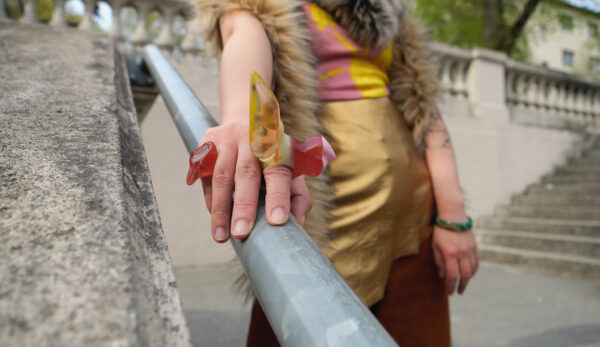
Katharina Anna Thomas made her first ring out of leftover resin from scale models and sculptures. As a qualified architect, she explains, she has always been interested in conveying a message through material and form. 'But a model or object is situated in space. With jewellery, there's an additional layer to consider: the piece relates not only to the space but also to the wearer,' she says. Wanting to pursue this new form of expression, she founded her company STUDIOTRAFO. Her work gained recognition, earning her a mention in trade magazine Lost in Jewellery and selection for SILVER, a jewellery festival in Legnica, Poland. She increasingly found her footing in her new field, but as a self-taught jeweller, learning new techniques took considerable time. To speed up this process, she drew up a professional-development plan and applied for a grant from the Fund.

Not everything needs to be perfect before I can take the next step.
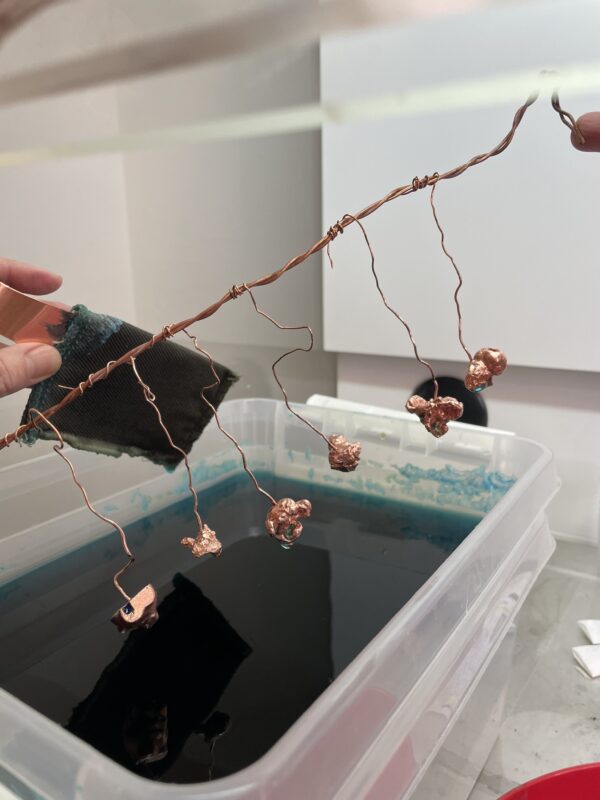
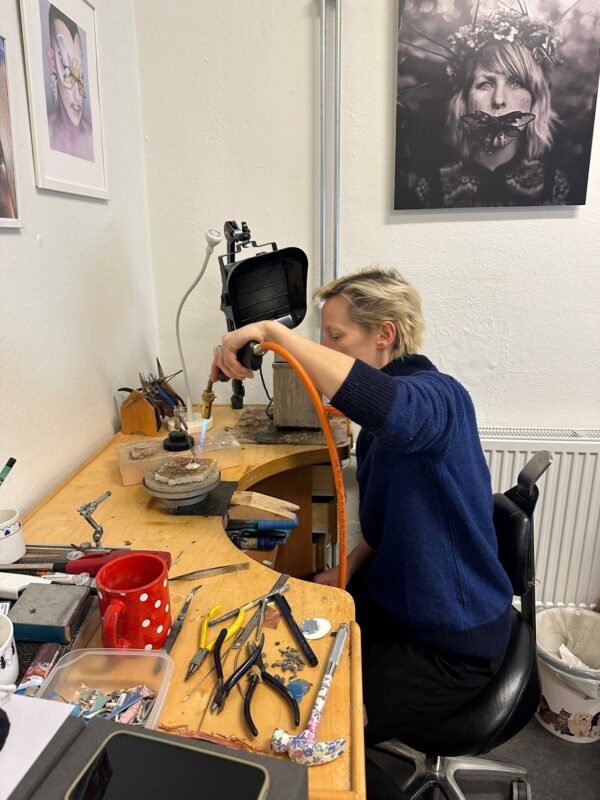
Electroforming in Märta Mattsson's studio.

New Craftsmanship

Thomas was keen to learn from an experienced professional. That is why, early on in the process, she took part in a one-to-one workshop with Märta Mattsson, a contemporary art jeweller in Sweden who has worked with resin and electroforming for decades. Thomas explains that this step gave her skills a significant boost. 'I was able to condense months of figuring things out and guessing into a 10-day learning programme,' she says. But it was her self-confidence that grew the most: 'I now know for certain that my jewellery will last a long time in the hands of its new owners.'

Personal Development

From the very start of the process, Thomas suspected that the transition wasn't just a technical matter: 'I knew that there might also be an internal factor at play. That's partly why I chose Diane Versteeg, a coach for creatives, alongside a craft mentor. But I underestimated how much that would turn out to be the real story.' She explains that she always thought she still had 'a thousand things' to do before she would be good enough. During her sessions with the coach, she adopted a new attitude: 'Not everything needs to be perfect before I can take the next step.' With this support, it was easier for her to make confident choices about the direction of her company, for example in marketing.
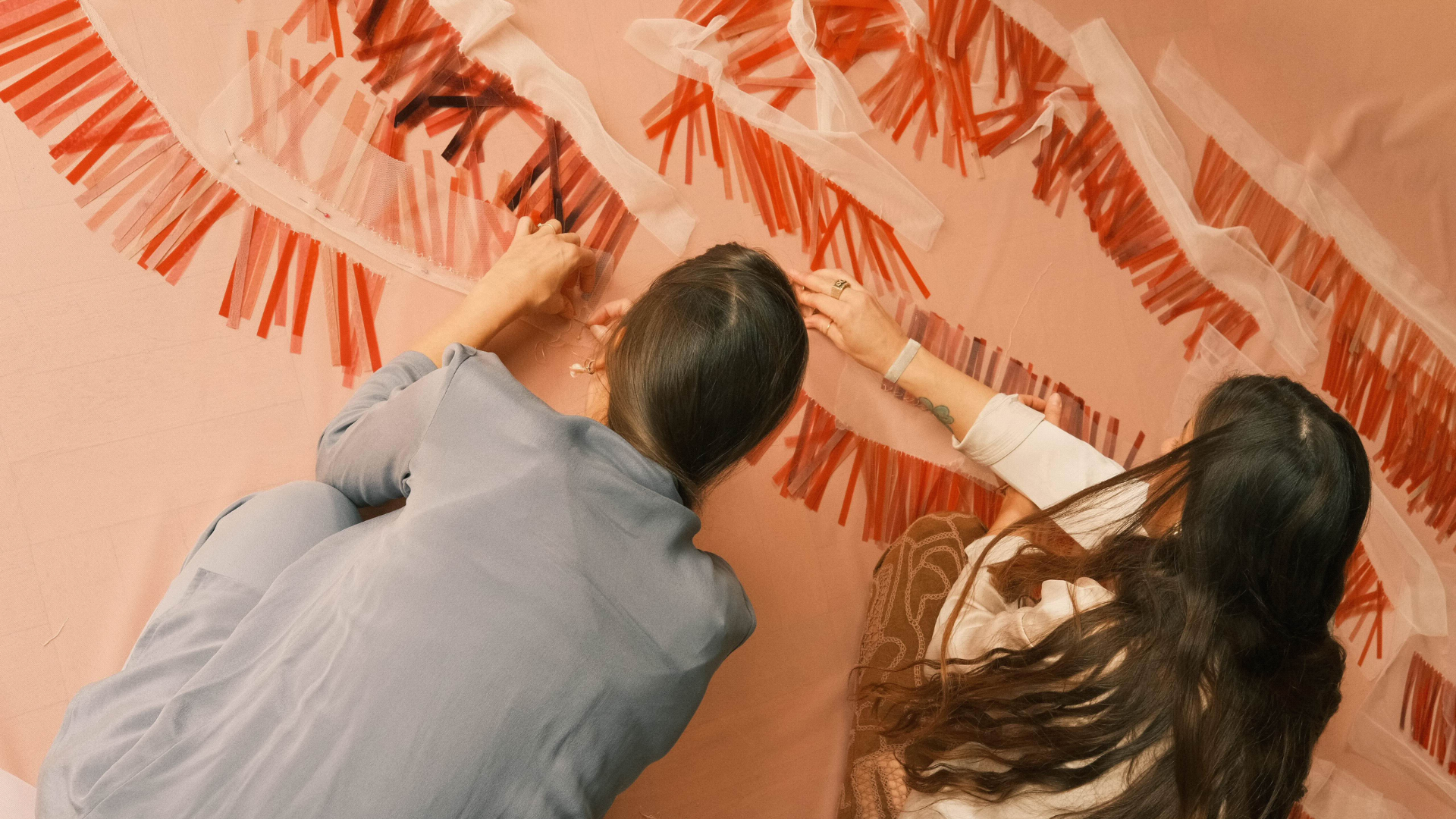
Katharina Anna Thomas at work in Märta Mattson's studio.

She initially saw marketing as something separate from the making process and imposed on her. The coach helped her find an approach that suited her. She went back to her student days, when she often wrote poetry. 'I rediscovered my love of storytelling. I discussed with the coach how to connect this to the way I talk about my work.' As an example, she mentions a ring with glitter she made before the programme began. The sparkles reminded her of shooting stars. In her mind, she passed this memory on to the ring's new owner. She hadn't expected the programme to help her realise that ideas like these are also part of her practice: 'Now the piece of jewellery, the image, and the words together form a single work.'

According to Thomas, the results of the process soon followed. She is now represented by Friends of Carlotta, one of Europe's leading galleries for contemporary jewellery. She also continues to learn from Mattsson, who is coming to the Netherlands next year for a workshop with Thomas on polyester resin, a material for which Thomas has developed her own approach.

STUDIOTRAFO's professional-development programme was made possible in part by the Open Call Professionalisation and Practice Development. The call supports individual designers or (temporary) collectives who wish to build a future-proof design practice. Applications can be submitted from 19 August 2026 at 15:00 CEST until 17 September 2026 at 16:00 CEST.

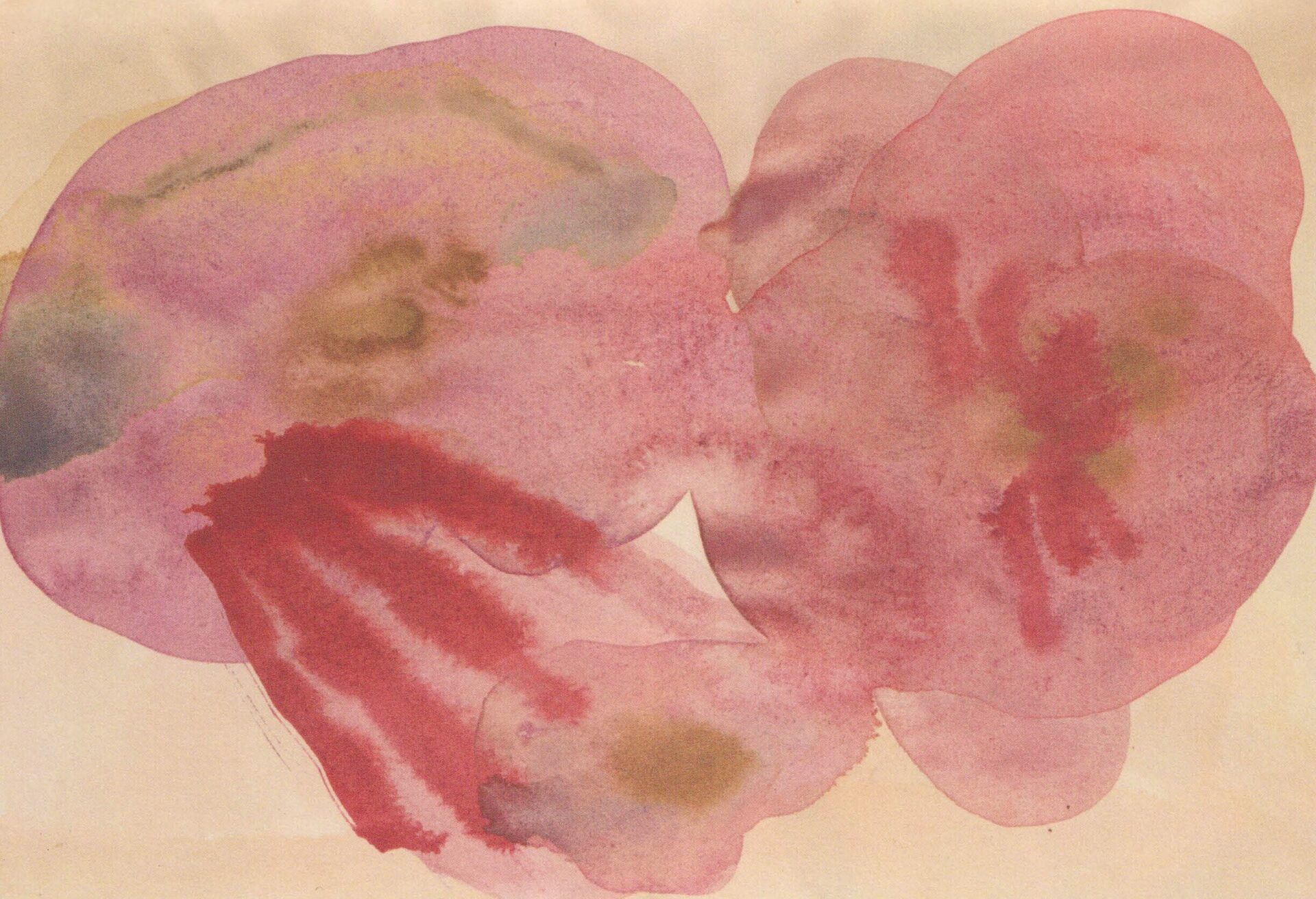
Header Image: The Tuscan Bird ring (polyester resin) is one of Thomas's most recent pieces.